
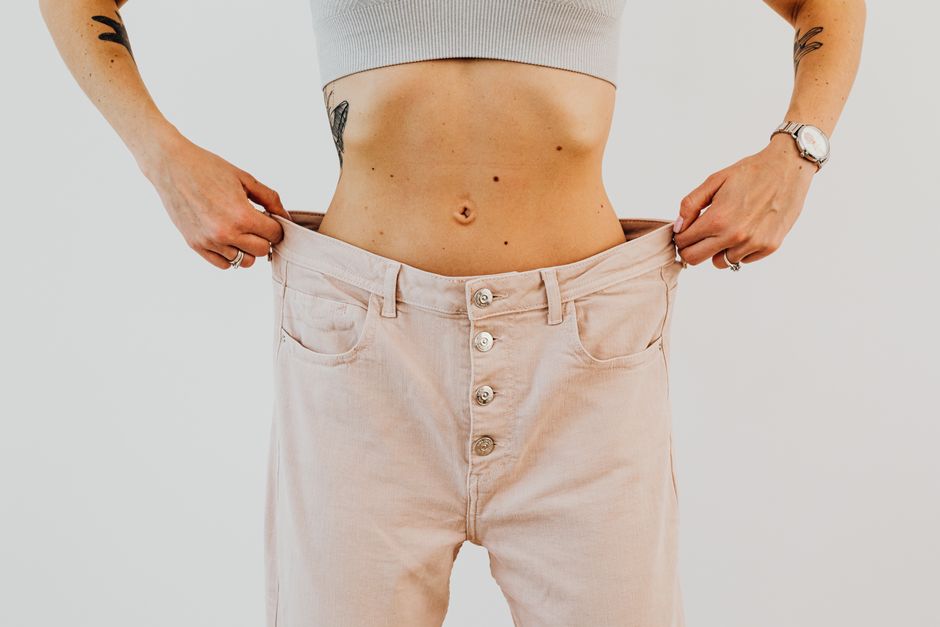
Losing body fat comes down to a consistent calorie deficit, but the foods you choose make that deficit much easier to sustain. Prioritizing protein, fiber, and water-rich foods keeps you full while eating fewer calories. No single food burns fat, but a diet built around whole foods and lean protein supports fat loss better than any restrictive plan.
What To Eat To Lose Body Fat Foods And Diet Tips
The most effective fat-loss diet is one you can follow consistently. Research consistently shows that high-protein diets help preserve muscle mass while losing fat, which keeps your metabolism working efficiently. You do not need to eliminate entire food groups. You need to shift your plate toward foods that are nutrient-dense and satiating.
Think of your plate in three parts. Fill half with vegetables or fruit. Fill a quarter with lean protein. Fill the last quarter with whole grains or starchy vegetables. This simple structure naturally controls portions without requiring you to weigh every meal for the rest of your life.
Why Protein Is The Most Important Nutrient For Fat Loss
Protein is the most satiating macronutrient. Studies have found that people who eat higher-protein diets naturally eat fewer calories because they feel full sooner and stay full longer. Protein also has a higher thermic effect than carbs or fat, meaning your body burns more calories digesting it.
More importantly, protein protects your lean muscle mass. When you lose weight, about 20 to 30 percent of the weight lost can be muscle rather than fat if protein intake is too low. Losing muscle slows your metabolism and makes future weight maintenance harder.
Aim for roughly 0.7 to 1 gram of protein per pound of body weight daily if you are actively trying to lose fat. For a 180-pound person, that is 126 to 180 grams per day. Spread it across three to four meals. Good sources include chicken breast, turkey, fish, eggs, Greek yogurt, cottage cheese, tofu, and legumes.
Vegetables And Fruits: Volume Without The Calories
Vegetables are the closest thing to a free food in a fat-loss diet. They are low in calories and high in fiber and water, which adds physical volume to your meals without adding meaningful calories. Leafy greens, broccoli, cauliflower, zucchini, peppers, and mushrooms can fill half your plate.
Fruits are slightly higher in sugar but still support fat loss. Whole fruits like apples, berries, oranges, and pears provide fiber that slows sugar absorption. The fiber in whole fruit makes it far more filling than fruit juice. A medium apple has about 95 calories and 4 grams of fiber. A glass of apple juice has about 115 calories and almost no fiber.
The evidence is clear that people who eat more vegetables and fruits tend to have lower body weight. This is not because these foods burn fat. It is because they displace higher-calorie foods and make meals more filling.
Whole Grains And Starchy Vegetables: Carbs Are Not The Enemy
Carbohydrates are not inherently fattening. Excess calories are fattening. Whole grains provide sustained energy and fiber that supports digestion and fullness. Oats, quinoa, brown rice, barley, and whole-wheat bread are all good choices.
Starchy vegetables like potatoes and sweet potatoes are also valuable. A medium baked potato with the skin has about 160 calories and 4 grams of fiber. Potatoes actually rank among the most satiating foods in satiety index studies, meaning they keep you full longer than many other carb sources.
The key is portion control. A serving of cooked rice or quinoa is about the size of your fist. A serving of potatoes is about the size of a tennis ball. These portions fit comfortably in a quarter of your plate without driving calories too high.
Healthy Fats: Small Amounts, Big Benefits
Dietary fat is essential for hormone production and nutrient absorption, but it is also the most calorie-dense macronutrient. One gram of fat has 9 calories, while protein and carbs each have 4 calories per gram. This means fat portions should be smaller than you might think.
Good fat sources include olive oil, avocados, nuts, seeds, and fatty fish like salmon. A serving of olive oil is one tablespoon, about 120 calories. A serving of nuts is one ounce, about 160 to 180 calories. These foods are healthy, but they can easily push you out of a calorie deficit if portions are not controlled.
Fatty fish deserves special mention. Salmon, mackerel, and sardines provide omega-3 fatty acids and high-quality protein. Eating fatty fish twice a week is a reasonable target for most people, though no specific fat-loss benefit has been proven beyond its protein and calorie content.
Foods To Limit Or Avoid
Ultra-processed foods are the main obstacle to fat loss. These include sugary drinks, packaged snacks, fast food, and many breakfast cereals. They are designed to be hyper-palatable, meaning they are easy to overeat and provide little satiety relative to their calories.
Sugary drinks deserve special attention. A 12-ounce can of regular soda has about 140 calories, all from sugar. Liquid calories do not trigger the same fullness signals as solid food. Research shows that people do not compensate for liquid calories by eating less later in the day.
This does not mean you must eliminate all treats. The evidence supports an 80/20 approach where most of your intake comes from whole foods and a smaller portion can come from foods you enjoy. Strict elimination diets often fail because they are unsustainable.
Practical Diet Tips That Support Fat Loss
Beyond choosing the right foods, how you eat matters. These strategies are supported by evidence and are practical for real life.
- Eat protein at every meal. This helps control hunger and preserves muscle. A breakfast with eggs or Greek yogurt is more effective for satiety than a carb-heavy breakfast.
- Drink water before meals. Some studies suggest that drinking water before a meal reduces calorie intake. The effect is modest but harmless.
- Use smaller plates. This is a behavioral strategy, not a biological one. A smaller plate makes a normal portion look larger, which can help with portion control.
- Eat mindfully without screens. Paying attention to your meal helps you notice fullness cues. Distracted eating is associated with eating more.
- Plan meals ahead. People who plan meals tend to make better food choices and eat fewer calories. This does not require elaborate meal prep. Even deciding tomorrow’s lunch tonight helps.
Sleep and stress also affect fat loss. Poor sleep is linked to increased hunger hormones and decreased fullness hormones. Chronic stress raises cortisol, which is associated with abdominal fat storage. Address these factors alongside your diet for the best results.
How Fast Should You Expect To Lose Fat?
A safe and sustainable rate of fat loss is about 1 to 2 pounds per week. Faster loss is possible but often includes muscle loss and is harder to maintain. A calorie deficit of about 500 calories per day produces roughly 1 pound of weight loss per week, though individual results vary.
Weight loss is not linear. You will have weeks where the scale does not move even when you are doing everything right. Water retention, hormonal changes, and digestion all affect daily weight. Look at trends over weeks rather than daily numbers.
If you are losing more than 2 pounds per week consistently, you may be losing muscle or not eating enough. This is especially concerning for older adults, who naturally lose muscle mass with age. If you are unsure, consult a healthcare provider or registered dietitian.
Sample Day Of Fat-Loss Foods
This is not a prescription. It is an example of what a fat-loss day looks like using the principles above. Adjust portions based on your body size and activity level.
Breakfast: Three-egg omelet with spinach, mushrooms, and one slice of whole-wheat toast. Coffee or tea without sugar.
Lunch: Grilled chicken salad with mixed greens, tomatoes, cucumbers, and one tablespoon of olive oil and vinegar dressing.
Snack: One apple with one ounce of almonds.
Dinner: Baked salmon with roasted broccoli and one cup of cooked quinoa.
This day provides roughly 1,600 to 1,800 calories, depending on portion sizes. It includes protein at every meal, plenty of vegetables, whole grains, and controlled portions of healthy fat.
Frequently Asked Questions
What foods burn belly fat specifically?
No food burns belly fat specifically. Fat loss occurs throughout the body based on genetics and hormones, not on which foods you eat. A calorie deficit combined with strength training is the only evidence-based approach.
How much protein should I eat daily to lose fat?
Aim for 0.7 to 1 gram of protein per pound of body weight daily. A 180-pound person would need 126 to 180 grams spread across three to four meals.
Can I eat carbs and still lose body fat?
Yes. Total calorie intake determines fat loss, not carb intake. Whole grains and starchy vegetables provide fiber and energy that support an active lifestyle while you maintain a calorie deficit.
How many calories should I cut to lose weight?
A deficit of about 500 calories per day typically produces 1 to 2 pounds of weight loss per week. Individual needs vary based on age, sex, weight, and activity level.
