
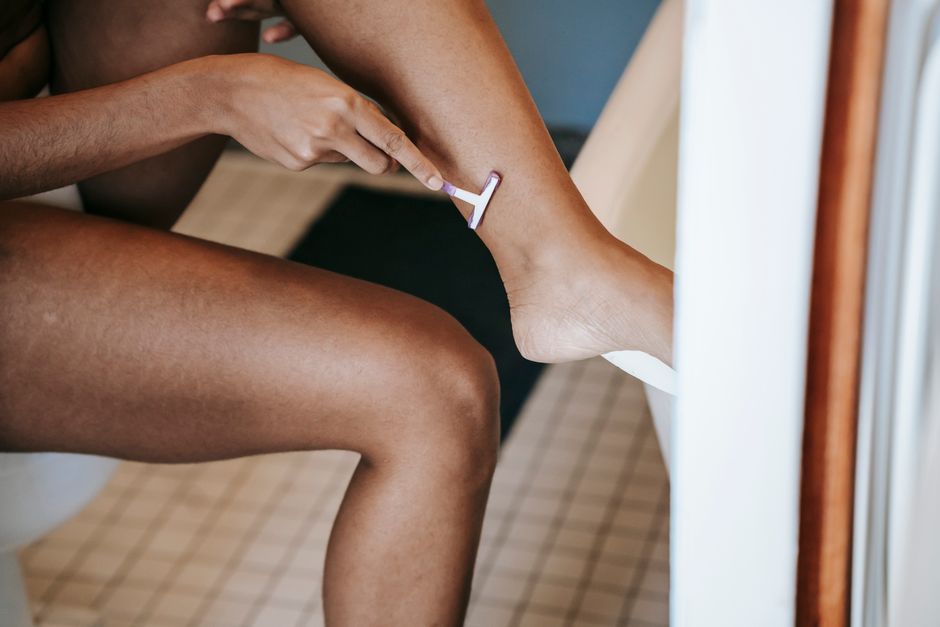
Red spots after shaving are usually razor burn or pseudofolliculitis — inflammation of the hair follicle caused by irritation or by hair curling back into the skin as it grows. The fastest way to calm them is to stop shaving that area for a few days, apply a cool compress, and use a fragrance-free moisturizer or a thin layer of over-the-counter hydrocortisone cream for short-term relief. Most cases settle within a few days to two weeks once the skin is left alone.
What Causes Red Spots After Shaving?
Two separate problems get lumped together under “razor bumps,” and they behave differently.
The first is irritation — simple razor burn. A dull blade, shaving dry, or dragging a razor repeatedly over the same patch strips the top layer of skin and triggers local inflammation. The spots are red, sometimes stinging, and show up within hours.
The second is pseudofolliculitis barbae, often called razor bumps. This happens when a hair is cut below the skin surface. As it grows back, the sharp tip curves and re-enters the skin nearby, or curls back into its own follicle. The body treats the embedded hair as a foreign object and mounts an inflammatory response. This is more common in people with tightly curled or coarse hair, and it tends to appear a day or two after shaving, not immediately.
A third possibility is a bacterial infection of the follicle, called folliculitis. It looks similar but may be tender, pus-filled, or spreading. If that is what you have, home measures are not enough and it needs medical evaluation.
Knowing which one you have matters, because the fix is not identical.
How To Get Rid Of Red Spots After Shaving Fast
Stop shaving the area. This single step does more than anything else, because every pass of a razor re-injures skin that is already inflamed and drives new hairs back under the surface.
While the skin heals:
- Cool compress. A clean cloth soaked in cool water for a few minutes at a time reduces redness and discomfort. Heat makes inflammation worse.
- Fragrance-free moisturizer. Dry, tight skin heals more slowly. Plain petrolatum or a basic ceramide cream works. Skip anything with alcohol, menthol, or heavy fragrance — these sting and irritate further.
- Hydrocortisone cream, short term. A low-strength over-the-counter hydrocortisone cream can reduce inflammation. Use it for a few days only. Prolonged use on the face can thin the skin.
- Do not squeeze or pick. Picking at an ingrown hair pushes it deeper and raises the risk of infection and scarring.
- Gentle exfoliation, once healed. After the active redness fades, soft exfoliation with a washcloth can help release hairs that are trapped. Do not scrub skin that is still inflamed.
If a hair is clearly trapped in a visible loop at the surface, a clean pair of tweezers can lift it free without pulling it out. Pulling the hair out entirely can restart the cycle.
Most irritation-type spots fade in a few days. Pseudofolliculitis takes longer — often one to two weeks — because the embedded hair has to work its way out or be released.
What Actually Helps, And What Does Not
Some popular remedies have reasonable support. Others do not.
Warm compress for ingrown hairs. A warm, moist cloth several times a day can soften skin and help a trapped hair surface. This is standard advice and low risk.
Tea tree oil. Some studies suggest it has antibacterial and anti-inflammatory properties. Evidence for treating razor bumps specifically is limited, and it can cause allergic reactions in some people. If you try it, dilute it and test on a small area first.
Alcohol-based aftershaves. These sting, dry the skin, and can worsen irritation. They are not helping the healing process.
Antibacterial ointments. Over-the-counter antibiotic creams are widely used, but for simple razor burn with no sign of infection, they offer little and can promote antibiotic resistance with repeated use. Reserve them for wounds that look infected, and follow clinician guidance.
Laser hair removal. This is the most effective long-term option for recurrent pseudofolliculitis, because it reduces the hair itself. It is not a fast fix — it takes multiple sessions over months — but for people who get bumps every time they shave, it addresses the cause rather than the symptom. This is well documented in dermatology literature, though access and cost vary.
Prescription options exist for stubborn cases, including topical retinoids that help clear plugged follicles. These require a clinician’s involvement.





How To Shave Without Getting Red Spots
Prevention is more reliable than treatment. If you keep shaving the same way, the spots come back.
- Shave after a warm shower. Warm water softens hair and opens follicles, so the blade cuts more cleanly with less drag.
- Use shaving cream or gel. Never shave dry. A lubricating layer reduces friction.
- Use a sharp blade. Dull blades pull and tug. Replace them regularly — how often depends on your hair and how often you shave.
- Shave with the grain. Going against the grain cuts hair shorter, which raises the risk of it curling back into the skin. If you must go against the grain for a closer shave, do it as a second pass with light pressure.
- Use light, short strokes. Do not press hard or go over the same spot repeatedly.
- Rinse with cool water and moisturize. Cool water calms the skin. Moisturizer supports the barrier.
- Consider an electric razor. Rotary or foil shavers do not cut as close, which means less ingrowth for people prone to bumps.
For people with very curly hair, some clinicians recommend not shaving at all, or using a trimmer that leaves a small amount of stubble rather than a close shave. That is a practical workaround, not a cure.
Quick Comparison: What Each Approach Does
| Approach | Best for | Expected timeline |
|---|---|---|
| Stop shaving + cool compress | Razor burn, mild irritation | A few days |
| Hydrocortisone (short term) | Active inflammation | Symptom relief within days |
| Warm compress / gentle release | Trapped ingrown hair | Several days to two weeks |
| Improved shaving technique | Prevention | Immediate and ongoing |
| Laser hair removal | Recurrent pseudofolliculitis | Multiple sessions over months |
When Red Spots Need A Doctor
Most post-shaving redness is not dangerous. But some signs mean it is no longer a simple irritation problem.
See a clinician if:
- The spots are spreading, getting worse, or not improving after a couple of weeks
- They are painful, hot to the touch, or filled with pus
- You have a fever or feel unwell
- There is significant swelling or red streaks extending from the area
- You develop dark, raised scars (keloids) at the sites
- The bumps keep returning despite changes to your shaving routine
These signs can point to a bacterial infection, which needs treatment, or to a condition that mimics razor bumps. Folliculitis, keratosis pilaris, and other skin conditions can all look similar at a glance. A clinician can tell them apart and treat accordingly.
People with diabetes or a weakened immune system should treat any skin infection promptly rather than waiting it out.
Why The Spots Sometimes Come Back
If the spots return every time you shave, the problem is the method, not bad luck. The hair keeps getting cut below the skin line, and the cycle repeats.
Changing how you shave — with the grain, sharp blade, light pressure — breaks that cycle for many people. For others, especially those with coarse, curly hair, shaving itself is the trigger, and the most effective answer is to shave less often or not at all in that area.
There is no product that makes razor bumps disappear overnight. Anything marketed as an instant fix is overselling. The honest timeline is a few days for simple irritation and up to two weeks for a true ingrown hair.
Frequently Asked Questions
How long do red spots after shaving last?
Simple razor burn usually fades within a few days. Pseudofolliculitis, where hair grows back into the skin, can take one to two weeks to clear.
Does hydrocortisone cream help razor bumps?
A low-strength over-the-counter hydrocortisone cream can reduce inflammation and is reasonable for short-term use of a few days. Prolonged use, especially on the face, can thin the skin, so it is not a long-term solution.
Should I pop or squeeze an ingrown hair?
No. Squeezing pushes the hair deeper and increases the risk of infection and scarring. A warm compress and gentle release with clean tweezers is safer.
Is laser hair removal effective for recurring razor bumps?
It is the most effective long-term option for recurrent pseudofolliculitis because it reduces the hair itself. It requires multiple sessions over several months and does not give immediate results.
