
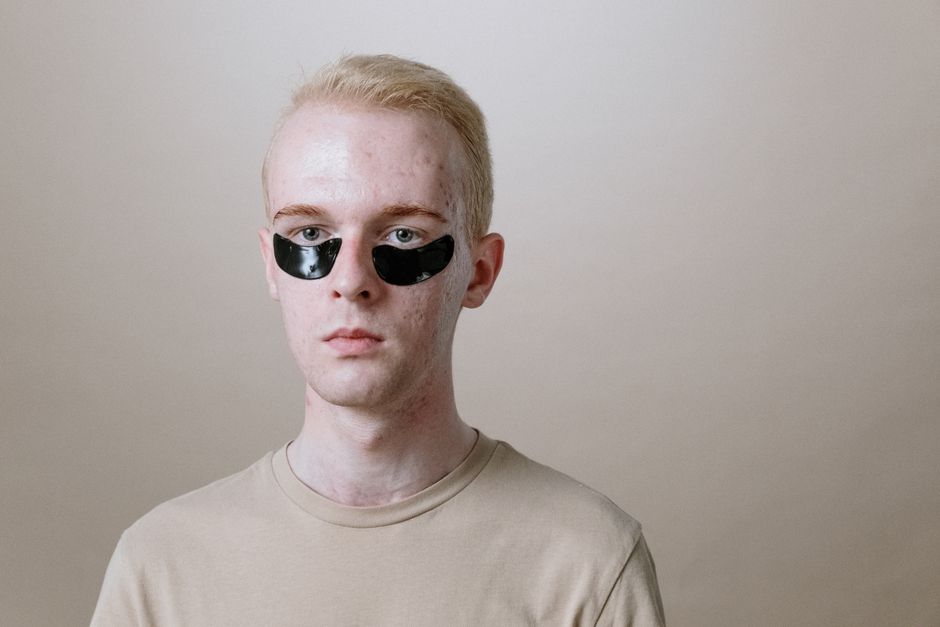
A pus-filled pimple is a sign that your skin is fighting off trapped bacteria. The white or yellow center is made of dead white blood cells, bacteria, and oil. The goal is not to pop it. The goal is to help your skin clear the infection safely while reducing the chance of scarring and new breakouts. Here is the step-by-step process that dermatologists generally recommend for treating a pus-filled pimple at home.
What Causes a Pus-Filled Pimple?
A pimple forms when a hair follicle gets blocked by oil and dead skin cells. When that blockage traps bacteria, your immune system sends white blood cells to fight the infection. Pus is the result of that battle. It is a thick fluid made of dead white blood cells, bacteria, and tissue debris.
This type of pimple is called a pustule. It sits on the surface of the skin and has a visible white or yellow head. Some pus-filled pimples go deeper into the skin. Those are called nodules or cysts and they usually require different treatment.
Hormones, stress, and certain skin products can increase oil production and make blockages more likely. But the process is the same: blocked pore, trapped bacteria, immune response, pus.
Step 1: Do Not Pop or Squeeze the Pimple
Popping a pus-filled pimple is the most common mistake people make. Squeezing pushes bacteria and pus deeper into the follicle. That can rupture the wall of the pore and spread the infection into surrounding skin. The result is a larger, more inflamed pimple that takes longer to heal.
Popping also damages the skin’s collagen. That damage increases the chance of a permanent dark spot or scar. The visible relief of popping is temporary. The healing time and risk of scarring are not worth it.
If you absolutely must have it removed, a dermatologist can do it safely with a sterile tool. They know how to drain a pustule without rupturing the surrounding tissue. At home, the safest approach is to leave it alone and treat it.
Step 2: Apply a Warm Compress
A warm compress helps bring the pus closer to the surface. It does not cure the infection, but it can make the pimple drain on its own more easily. This is a gentle way to help your skin do the work naturally.
Soak a clean washcloth in warm water. Make sure the water is comfortable to the touch, not hot. Wring out the excess and hold it against the pimple for 10 to 15 minutes. Do this up to three times a day.
Do not press hard or rub the area. The goal is gentle warmth, not pressure. If the pimple drains on its own after a few days, clean the area gently and let it heal.

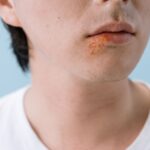
Step 3: Use a Spot Treatment With Benzoyl Peroxide
Benzoyl peroxide is the most studied over-the-counter treatment for pus-filled pimples. It works by killing the bacteria that cause the infection. It also helps remove excess oil and dead skin cells from the pore.
Look for a spot treatment with 2.5% to 10% benzoyl peroxide. Research suggests that 2.5% is just as effective as 10% but causes less skin irritation. Start with the lower strength if you have sensitive skin.
Apply a thin layer directly to the pimple once or twice a day. Wash your face first and dry it gently. Benzoyl peroxide can bleach fabric, so wait for it to dry before putting on a pillowcase or shirt.
Step 4: Try Salicylic Acid for Blocked Pores
Salicylic acid is another option. It does not kill bacteria the way benzoyl peroxide does. Instead, it helps dissolve the oil and dead skin cells that block the pore. This makes it useful for preventing new pimples and helping existing ones clear.
Salicylic acid is available in cleansers, toners, and spot treatments. For a pus-filled pimple, a spot treatment with 0.5% to 2% salicylic acid can help dry out the area. Apply it once daily and see how your skin responds.
Some people use both benzoyl peroxide and salicylic acid. If you do, do not apply them at the same time. Use one in the morning and the other at night, or alternate days. Using both at once can cause significant irritation.
Step 5: Keep the Area Clean and Moisturized
Wash your face twice a day with a gentle cleanser. Look for products labeled “non-comedogenic,” which means they are less likely to block pores. Avoid harsh scrubs, which can irritate the skin and make inflammation worse.
Moisturizing is important even if your skin feels oily. When skin is dry, it produces more oil to compensate. That extra oil can lead to more blocked pores. A light, oil-free moisturizer helps keep your skin balanced.
Do not pick at the pimple or touch the area throughout the day. Your hands carry bacteria and oil that can make the infection worse. If you need to touch your face, wash your hands first.
Step 6: Protect the Area From the Sun
Sun exposure can make inflamed skin worse. It also increases the risk of hyperpigmentation, which is the dark spot left behind after a pimple heals. This is especially true for people with darker skin tones.
Use a broad-spectrum sunscreen with SPF 30 or higher every day. Apply it after your spot treatment and moisturizer. If the pimple is on your face, make sure the sunscreen covers the entire face, not just the pimple.
Some spot treatments make your skin more sensitive to the sun. Benzoyl peroxide and salicylic acid both increase sun sensitivity. Sunscreen is not optional when using these products.
Step 7: Know When to See a Dermatologist
Most pus-filled pimples clear up within a week with consistent care. But some need professional treatment. If the pimple is very large, deeply painful, or does not improve after one to two weeks of home care, see a dermatologist.
See a doctor immediately if the pimple is accompanied by fever, red streaks spreading from the area, or severe pain. These can be signs of a serious infection that requires medical treatment.
Dermatologists can treat stubborn pustules with prescription-strength topical medications, oral antibiotics, or a sterile drainage procedure. They can also inject a corticosteroid directly into a large, painful pimple to reduce inflammation quickly.
How Long Does It Take for a Pus-Filled Pimple to Heal?
A pus-filled pimple that is left alone usually heals within 3 to 7 days. The pus may drain on its own, or the body may reabsorb it. After the pus is gone, the red or dark spot can take weeks to fade completely.
Popping the pimple usually makes healing take longer. It also increases the risk of scarring and dark spots. The fastest way to heal is to follow the steps above consistently and resist the urge to squeeze.
If you have frequent pus-filled pimples, it may be a sign of a larger acne problem. A dermatologist can help you find a treatment plan that prevents new pimples rather than just treating each one as it appears.
What Not to Do When Treating a Pus-Filled Pimple
Do not use toothpaste, baking soda, or lemon juice on a pimple. These home remedies are not supported by clinical evidence. They can irritate the skin, disrupt its natural barrier, and make the inflammation worse.
Do not use pore strips on a pus-filled pimple. Pore strips are designed for blackheads, not inflamed pustules. Pulling a strip off an inflamed pimple can tear the skin and worsen the infection.
Do not use multiple harsh treatments at once. Combining benzoyl peroxide, salicylic acid, and other strong products can cause chemical burns and severe irritation. Stick to one active ingredient at a time unless a dermatologist advises otherwise.
Frequently Asked Questions
Should I pop a pus-filled pimple?
No. Popping pushes bacteria deeper into the skin and increases the risk of scarring and dark spots. Let it drain on its own or have a dermatologist drain it with a sterile tool.
Can toothpaste dry out a pus-filled pimple?
No clinical evidence supports using toothpaste on pimples. Toothpaste can irritate the skin and make inflammation worse, so it is not a safe or effective treatment.
How long does a pus-filled pimple last?
With consistent care and no picking, a pus-filled pimple typically heals within 3 to 7 days. The red or dark spot left behind can take several weeks to fade.
When should I see a doctor for a pus-filled pimple?
See a doctor if the pimple is very large, deeply painful, or does not improve after one to two weeks of home care. Seek immediate care if you have fever, red streaks, or severe pain.
