
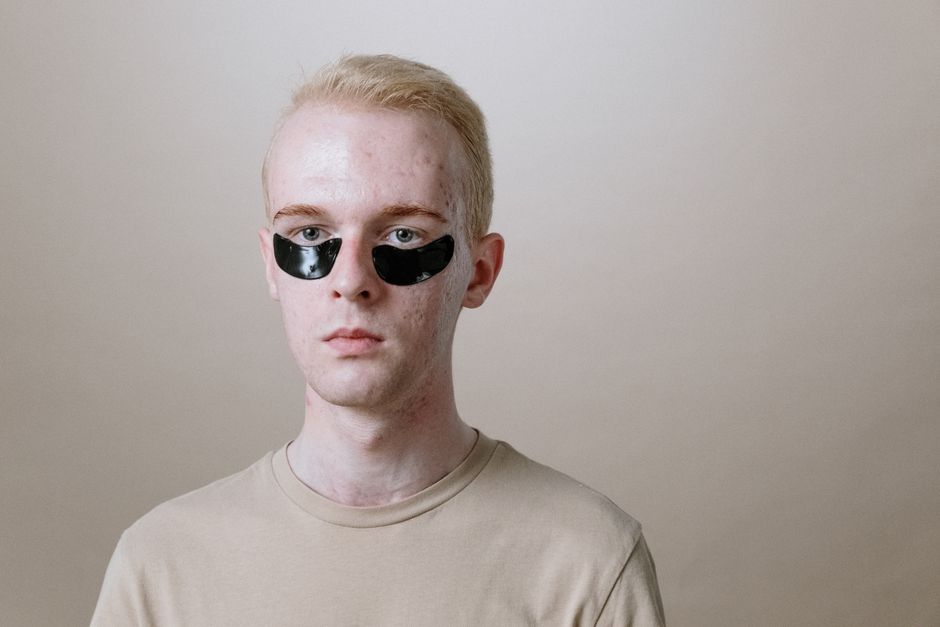
Pimple scars can feel like they take forever to fade, but the truth is that the right approach can speed up the process noticeably. The fastest way to get rid of pimple scars depends entirely on the type of scar you have — red or brown marks respond to different treatments than deep, pitted scars. For red and brown marks, consistent use of sunscreen, vitamin C, and retinoids can show visible improvement in 4 to 8 weeks. For pitted scars, professional treatments like microneedling or laser therapy are the only options that physically rebuild skin, and they require multiple sessions over several months. No cream removes deep scars; that is a fact worth accepting early so you can spend your money on what actually works.
What Type of Scar Do You Actually Have?
Before buying any product, identify the scar. This determines everything about your treatment plan. Most people think they have scars when they actually have post-inflammatory hyperpigmentation (PIH) or post-inflammatory erythema (PIE).
PIH is a flat brown or dark spot left after the pimple heals. It is not a true scar. It is excess pigment in the skin. PIE is a flat red or pink mark, common in lighter skin tones, caused by dilated blood vessels left behind after inflammation. Both fade over time on their own, but treatments can speed them up considerably.
True scars are textural. They are either rolling, boxcar, or icepick depressions in the skin. These happen when the pimple destroyed collagen and the skin healed with a deficit. No over-the-counter cream physically rebuilds that lost tissue. That distinction matters because it sets realistic expectations from the start.
How To Get Rid of Pimple Scars Fast: Start With Sunscreen
Sunscreen is the single most important step for fading any dark mark. UV exposure darkens hyperpigmentation and slows the skin’s natural repair process. If you are not wearing broad-spectrum SPF 30 or higher every day, every other product you use is working against the sun.
This is not a mild suggestion. Research consistently shows that unprotected sun exposure makes post-inflammatory hyperpigmentation worse and prolongs its duration. Apply sunscreen as the last step of your morning routine. Reapply if you are outdoors for extended periods. This alone can make the difference between a mark that fades in two months versus one that lingers for a year.
Which Ingredients Actually Fade Dark Marks Fast?
For brown or dark spots, several ingredients have solid evidence behind them. The fastest results come from combining them rather than relying on one alone.
Vitamin C (L-ascorbic acid) blocks an enzyme called tyrosinase, which the skin uses to produce pigment. It also acts as an antioxidant. A 10% to 20% concentration applied in the morning under sunscreen is the standard clinical approach. Some studies suggest visible lightening within 8 to 12 weeks of consistent use.
Retinoids — both prescription tretinoin and over-the-counter retinol — speed up cell turnover. They push pigmented cells to the surface faster so they shed. Prescription strength works faster than over-the-counter, but both are effective with time. Retinoids also stimulate collagen production, which gives them a small role in softening shallow textural irregularities.
Niacinamide at 5% concentration has been shown in some studies to reduce hyperpigmentation, though it works more slowly than vitamin C or retinoids. It is an excellent option for sensitive skin that cannot tolerate stronger actives.
Azelaic acid at 15% to 20% is another evidence-backed option. It reduces pigment production and also has anti-inflammatory properties, making it useful for people who still get active breakouts alongside their marks.
Do not use all of these at once. That is a recipe for irritation, which creates more inflammation and more pigment. Pick one active for the morning (vitamin C) and one for the night (retinoid). Add niacinamide or azelaic acid only if your skin tolerates the first two without redness or peeling.





What Works for Red Marks (PIE)?
Red marks are not pigment. They are damaged blood vessels. Pigment-fading ingredients like vitamin C do very little for them. The redness fades as the vessels constrict and the skin repairs itself — a process that can take several months without help.
Niacinamide and azelaic acid both have anti-inflammatory properties that may help calm the area. Centella asiatica (often listed as cica or madecassoside) is another ingredient with evidence for soothing redness and supporting skin barrier repair.
The most effective treatments for PIE are vascular lasers, such as pulsed dye laser or intense pulsed light (IPL). These target the dilated blood vessels directly and can reduce redness significantly in one to three sessions. This is a dermatologist-performed procedure, not an at-home option.
Time is also a factor. Red marks genuinely fade on their own, but it can take 6 to 12 months. If speed matters to you, a laser consultation is worth the cost.
Can You Really Get Rid of Pitted Scars Fast?
No. And anyone who tells you otherwise is selling something. Icepick, boxcar, and rolling scars require physical remodeling of the skin. This happens through controlled injury that triggers new collagen formation. It takes time and multiple sessions.
The most evidence-backed professional treatments for pitted scars include:
- Microneedling — creates microscopic wounds that stimulate collagen. Requires 3 to 6 sessions spaced a month apart. Results are gradual and modest.
- Fractional laser resurfacing — ablative lasers remove thin columns of skin, prompting deep remodeling. More downtime, more dramatic results, but still requires multiple sessions.
- Chemical peels — stronger peels (TCA, phenol) can smooth shallow scars. Multiple sessions are needed. Results vary widely by peel depth.
- Subcision — a needle breaks the fibrous bands tethering rolling scars down. Often combined with microneedling or fillers.
- Dermal fillers — injected into deep scars to lift them to skin level. Immediate results, but temporary (6 to 18 months).
No topical product — regardless of price or marketing — physically rebuilds a pitted scar. Some retinoids and growth factor serums can mildly improve skin texture over time, but they will not erase a depression. Budget for professional treatment if this is your scar type.
How Long Until You See Results?
Realistic timelines prevent disappointment. For dark marks, noticeable lightening typically appears in 4 to 8 weeks with daily sunscreen and an active ingredient like vitamin C or a retinoid. Significant fading takes 3 to 6 months. Stubborn marks can take up to a year.
For red marks, expect 3 to 6 months of gradual fading with topical care. Laser treatment compresses that timeline to weeks.
For pitted scars, do not expect visible change before the third microneedling or laser session — roughly 3 months in. Maximum improvement is usually seen 6 to 12 months after starting treatment because collagen production continues long after the procedure.
The word “fast” has limits. The fastest legitimate path is a dermatologist who diagnoses your scar type and prescribes a combination of in-office procedures and medical-grade topicals. The slowest path is buying random products without a plan and expecting them to work.
What Makes Scars Worse?
Picking is the number one cause of permanent scarring. Every time you squeeze a pimple, you tear the skin and increase inflammation. That inflammation destroys more collagen and produces more pigment. Leave active pimples alone. Let them heal on their own or use a spot treatment with benzoyl peroxide or salicylic acid.
Sun exposure without protection darkens every type of mark. Skipping sunscreen for one week can undo a month of fading progress.
Irritation from over-exfoliating also worsens scars. Too much acid or physical scrubbing damages the skin barrier, triggers more inflammation, and slows healing. More is not better. Consistency beats intensity.
When Should You See a Dermatologist?
If a mark has not improved after 3 months of consistent at-home care, a dermatologist can offer faster options. If a scar is deep or pitted, skip the waiting period and book a consultation immediately. Topical products will not fix that scar type, and delaying professional treatment only prolongs the process.
A dermatologist can also tell you whether what you are treating is actually a scar. Some skin conditions — like certain types of acne, milia, or seborrheic keratoses — look like scars or leftover marks but require completely different treatment. A diagnosis is worth the copay.
Frequently Asked Questions
How long does it take for pimple scars to fade?
Dark marks typically fade in 3 to 6 months with daily sunscreen and pigment-fading ingredients. Red marks can take 6 to 12 months without laser treatment.
Can ice pick scars be removed completely?
No treatment removes them completely, but professional procedures like TCA cross, microneedling, and fractional laser can significantly flatten them. Multiple sessions are required.
Does vitamin C help with pimple scars?
Vitamin C effectively fades brown and dark marks by blocking pigment production. It does not help with red marks or pitted scars.
Is microneedling worth it for acne scars?
For pitted scars, microneedling is one of the most evidence-backed treatments, but results require 3 to 6 sessions. It provides modest improvement, not complete removal.
