
Papules are small, solid, red bumps on the skin. They do not have a visible white head like a pustule. You cannot get rid of a papule overnight in the sense of making it completely disappear. The honest expectation is that you can reduce its size, redness, and swelling within 12 to 24 hours, but the bump itself will take several days to fully clear. This guide explains what actually works for fast relief and what is just marketing noise.
What Exactly Is a Papule and Why Does It Form?
A papule is a raised area of skin that is less than 1 centimeter across. It feels firm to the touch. Unlike a whitehead or blackhead, a papule has no visible opening on the surface. It forms when oil, dead skin cells, and bacteria become trapped inside a hair follicle, causing inflammation in the deeper layers of the skin.
That inflammation is the key. The redness and swelling you see are your immune system responding to the blockage. This is why a papule feels hard and tender. It is not just a surface plug. The reaction is happening below the skin, which is why topical treatments take time to work.
Papules can also appear from friction, shaving irritation, or reactions to skincare products. But the most common cause is acne. When people search for how to get rid of papules overnight, they are usually dealing with inflammatory acne.
How To Get Rid Of Papules Overnight Real Expectations
The realistic goal for overnight treatment is to calm inflammation, not erase the papule. You want to reduce the redness and flatten the bump as much as possible before morning. Complete clearance in one night is not supported by any clinical evidence.
Benzoyl peroxide is one of the most effective options. It works by killing the bacteria inside the follicle and reducing inflammation. A 2.5% or 5% gel applied directly to the papule can visibly reduce redness within a few hours. Higher strengths do not work faster, they just irritate the skin more.
Salicylic acid is another option. It helps by breaking down the oil and dead skin cells blocking the follicle. It is less anti-inflammatory than benzoyl peroxide, so it may not reduce redness as quickly. But it can help flatten the bump over 24 to 48 hours.
Ice is the fastest way to reduce visible swelling. Wrap an ice cube in a clean cloth and hold it on the papule for 5 to 10 minutes. This constricts blood vessels and reduces redness temporarily. Do not apply ice directly to the skin, as that can cause frostbite.
What Actually Works Fast: Topical Treatments Ranked
Not all acne treatments work at the same speed. Some are designed for long-term prevention, not acute relief. For a papule that appeared today, you need something that targets inflammation directly.
- Benzoyl peroxide (2.5% to 5%): Best for killing bacteria and reducing inflammation. Visible improvement in 12 to 24 hours.
- Ice or cold compress: Reduces swelling and redness within minutes. Temporary effect but useful for events or photos.
- Hydrocolloid patches: Only work on open wounds or pustules. They do not penetrate the skin, so they are ineffective on a true papule.
- Salicylic acid (2%): Helps unclog the follicle. Slower anti-inflammatory effect, better for flattening over 48 hours.
- Tea tree oil (5%): Some research shows mild antibacterial effects. Much weaker than benzoyl peroxide. Can cause contact dermatitis in some people.
Notice what is not on this list. Toothpaste, crushed aspirin, and lemon juice are popular internet remedies. None of these have clinical evidence supporting their use. Toothpaste contains ingredients that can dry the skin, but it also contains flavorings and detergents that cause irritation. Aspirin is an anti-inflammatory when taken orally, but there is no evidence that applying it topically penetrates the skin effectively. Lemon juice is acidic and can cause chemical burns.



Why Picking or Popping a Papule Makes It Worse
A papule has no head. There is nothing to pop. Attempting to squeeze it will not release any contents because the blockage is deep and there is no opening to the surface.
Picking at a papule damages the surrounding skin and pushes bacteria deeper into the follicle. This increases inflammation and makes the papule larger and redder. It also raises the risk of scarring. A papule that would have cleared in three days can turn into a scar that lasts months.
If you absolutely cannot leave it alone, apply a warm compress for 5 minutes. This can help bring the inflammation to a head over a few days. But it will not create a head overnight. The warm compress works by increasing blood flow to the area, which helps the immune system clear the infection faster.
What Is a Blind Pimple and Is It the Same Thing?
A blind pimple is the common name for a papule that sits deep under the skin. The term “blind” refers to the fact that it has no visible head. Medically, it is the same thing as an inflammatory papule.
Blind pimples can be more painful than surface pimples because the inflammation is deeper. They also take longer to resolve, often 5 to 7 days. The same treatments apply. Benzoyl peroxide and ice are the most effective for reducing pain and swelling quickly.
Some dermatologists may inject a blind pimple with a diluted corticosteroid. This is an in-office procedure that can shrink the papule within 24 to 48 hours. It is reserved for large, painful, or prominent papules, especially before important events. This is the closest thing to a true “overnight cure” that exists, but it requires a doctor’s appointment and is not something you can do at home.
When a Papule Is Not Acne at All
Not every red bump is acne. Several other conditions produce papules, and treating them with acne medication will not help.
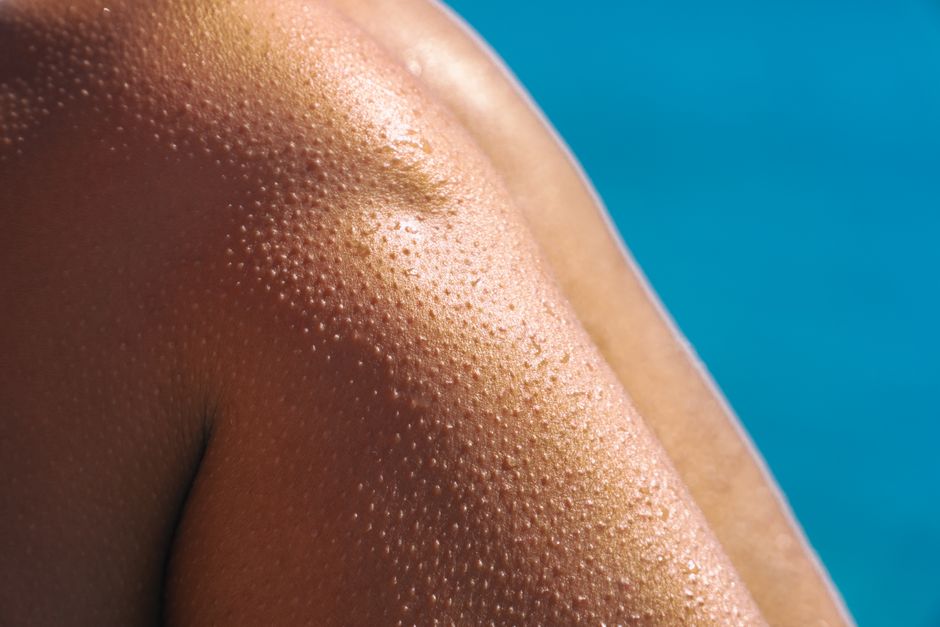
Keratosis pilaris causes small, rough bumps, usually on the upper arms and thighs. These are not inflamed. They are caused by a buildup of keratin blocking hair follicles. Acne treatments will not clear them. Moisturizers containing urea or lactic acid are the standard approach.
Contact dermatitis from skincare products or jewelry can cause red, itchy papules. These are an allergic reaction. The treatment is to remove the irritant and apply a mild hydrocortisone cream. Benzoyl peroxide would worsen this.
Folliculitis is an infection of the hair follicle, often caused by staph bacteria. It looks very similar to acne papules but requires different treatment. Antibacterial washes or prescription antibiotics may be needed. If you have many papules in one area that appeared suddenly, consider whether you have been in a hot tub, pool, or wearing tight clothing recently.
If a papule persists for more than two weeks, grows larger, or is accompanied by fever, see a healthcare provider. These are not signs of typical acne.
Preventing Papules Before They Form
Overnight treatment is always a reaction. Prevention is the better strategy. Papules form when follicles become blocked, so the goal is to keep follicles clear.
Washing your face twice daily with a gentle cleanser removes excess oil and dead skin cells. Over-washing strips the skin of natural oils and can trigger more oil production. A gentle routine is more effective than a harsh one.
Non-comedogenic moisturizers and sunscreens are formulated to avoid blocking pores. Check the label on any product you apply to your face. If a product has caused breakouts before, stop using it.
Benzoyl peroxide and salicylic acid are also available in leave-on treatments for daily use. Using a low-strength product consistently can prevent papules from forming in the first place. This is more effective than treating them after they appear.
Lifestyle Factors That Influence Papules
Diet and stress get a lot of attention in acne discussions. The evidence is mixed, but some patterns are consistent.
High-glycemic diets, meaning foods that spike blood sugar quickly, have been linked to more acne in some studies. White bread, sugary drinks, and processed snacks fall into this category. The mechanism is thought to involve insulin and insulin-like growth factor, which can increase oil production.
Dairy, especially skim milk, has shown a weak association with acne in some research. The evidence is not strong enough to recommend everyone cut out dairy. If you notice a pattern between your dairy intake and breakouts, reducing it for a few weeks is a reasonable experiment.
Stress does not cause acne, but it can worsen it. Stress hormones increase oil production and inflammation. This may explain why papules appear before exams, interviews, or big events. Managing stress through sleep and exercise is good for your skin, but it will not stop a papule that is already forming.
Frequently Asked Questions
Can ice really shrink a papule overnight?
Ice reduces swelling and redness by constricting blood vessels, but the effect is temporary. It can make a papule less noticeable within hours, but it will not remove the bump itself.
Is benzoyl peroxide or salicylic acid better for papules?
Benzoyl peroxide is more effective for papules because it kills bacteria and reduces inflammation directly. Salicylic acid is better for unclogging pores but works more slowly on red, inflamed bumps.
Do hydrocolloid patches work on papules?
No. Hydrocolloid patches only absorb fluid from open wounds or pustules. A papule has no opening, so the patch has nothing to draw out.
How long does a papule take to heal completely?
Most papules resolve in 3 to 7 days with treatment. Without treatment, they can last up to two weeks and carry a higher risk of scarring.
