
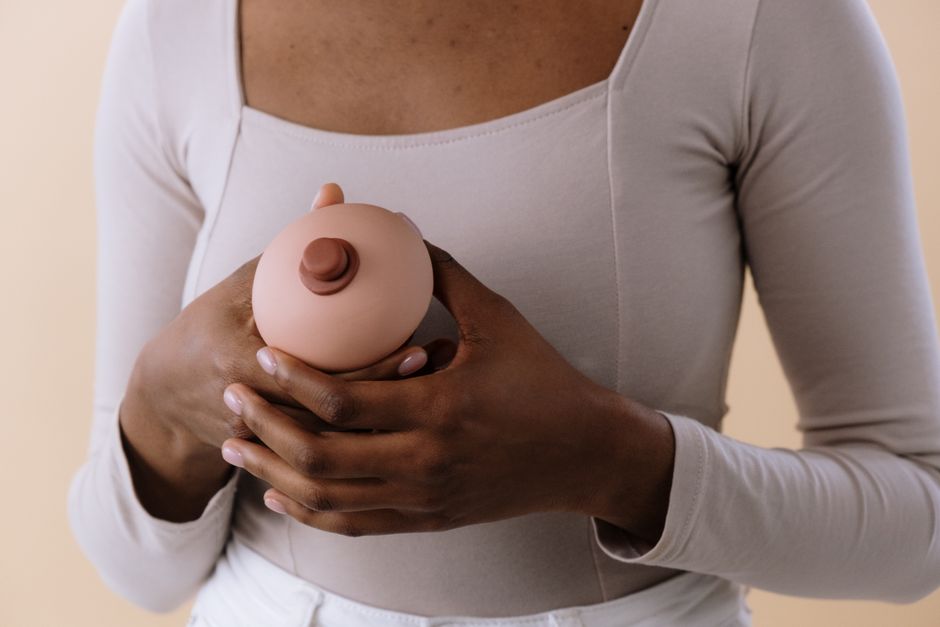
Nipple blisters are painful, but they are also treatable and often preventable. The fastest way to get rid of one is to address its cause directly — usually friction from clothing or a breastfeeding latch issue — while keeping the area clean and moisturized. For most people, a blister heals within a few days once the source of irritation stops. If you are breastfeeding, fixing the baby’s latch is the most important step, and if the blister does not improve or shows signs of infection, see a doctor promptly.
What Causes Nipple Blisters?
Nipple blisters form when the skin on the nipple is subjected to repeated friction or pressure. This is common in two very different groups: nursing mothers and athletes, particularly runners.
In breastfeeding, a blister often develops because the baby is not latching deeply enough. The baby’s mouth ends up rubbing against the nipple instead of drawing the breast tissue deep into the mouth. This friction creates a fluid-filled blister on the skin surface. Sometimes a small piece of skin can grow over a milk duct opening, causing milk to back up behind it. This type is often called a milk blister or bleb, and it can be quite painful.
In non-breastfeeding situations, the cause is usually mechanical. A poorly fitting bra, a rough seam, or a sports top with an abrasive fabric can rub against the nipple for hours. Running is a classic trigger because the repetitive motion creates constant friction. The skin responds the same way it does anywhere else on the body — it forms a blister to protect the damaged layers underneath.
How To Get Rid Of Nipple Blisters And Prevent Them?
The treatment depends entirely on the cause. For a friction blister from clothing or running, the approach is straightforward. Wash the area gently with mild soap and water. Keep it dry. Apply a protective barrier like petroleum jelly or a lanolin-based ointment to reduce further rubbing. Wear a soft, seamless bra or a sports bra with smooth fabric until it heals.
Do not pop a friction blister. The roof of the blister protects the new skin forming underneath. If you break it open, you increase the risk of infection. If the blister bursts on its own, clean it gently and cover it with a sterile bandage.
For a breastfeeding-related blister, the priority is improving the latch. A lactation consultant can observe a feeding session and give you specific positioning guidance. In the meantime, you can apply a warm, moist compress to the nipple for a few minutes before feeding. This can soften the skin and help the blister open naturally. Some mothers find that gently rubbing the blister with a clean, damp cloth after a warm shower helps release a milk bleb.
If you suspect a milk blister is blocking a duct, nurse frequently on that side. Emptying the breast is the most reliable way to relieve the pressure behind the blockage. If the blister does not resolve within a few days, or if you feel a hard lump in the breast, contact your healthcare provider.
Is It Safe To Pop A Nipple Blister?
Do not pop a nipple blister yourself. This applies to both friction blisters and milk blisters.
Popping any blister creates an open wound. That wound is a direct entry point for bacteria. The nipple area is highly sensitive, and an infection here can be painful and difficult to treat. In breastfeeding mothers, an infection can spread into the milk ducts and lead to mastitis, which is a more serious condition requiring medical treatment.
There is one exception worth noting. A lactation consultant or doctor may use a sterile needle to open a persistent milk bleb in a clinical setting. This is done under clean conditions with proper technique. It is not something you should attempt at home with a safety pin or a sewing needle. The risk of introducing bacteria is simply too high.

How Long Do Nipple Blisters Take To Heal?
A friction blister typically heals within 3 to 7 days once the source of friction is removed. The fluid inside is reabsorbed by the body, and the skin layer peels away naturally.
A milk blister can resolve faster — often within 24 to 48 hours — if the underlying duct obstruction is relieved through frequent nursing or pumping. The key variable is whether the milk can flow freely. If the duct remains blocked, the blister will persist and may grow more painful.
If a blister lasts longer than a week without improvement, or if it becomes increasingly red, swollen, or warm to the touch, seek medical advice. These can be signs of infection. Fever, chills, or flu-like symptoms alongside a nipple blister require prompt medical attention.
How To Prevent Nipple Blisters From Coming Back
Prevention is about eliminating the cause. For friction blisters, the fix is usually simple wardrobe changes.
- Choose sports bras with smooth, moisture-wicking fabric. Avoid cotton, which becomes abrasive when wet with sweat.
- Apply a lubricant like petroleum jelly or an anti-chafe balm to the nipples before running or doing other high-friction activities.
- Wear a properly fitted bra. A bra that shifts or rides up creates repeated rubbing.
- Wash sports bras after every use. Dried sweat and detergent residue can make fabric rougher.
For breastfeeding mothers, prevention centers on latch quality. A deep latch positions the baby’s mouth over the areola, not just the nipple. If latching hurts at any point during a feeding, that is a sign something is off. Pain is not a normal part of breastfeeding.
Working with a lactation consultant early — even before a blister forms — can prevent a cycle of recurring blisters. They can assess tongue tie, palate shape, and positioning in ways that are difficult to self-diagnose.
When To See A Doctor
Most nipple blisters are minor and resolve on their own. But some situations warrant professional evaluation.
See a doctor if you notice any of the following:
- The blister shows signs of infection — increasing redness, warmth, swelling, or pus.
- You develop a fever or feel unwell.
- The blister does not heal after a week of home care.
- You feel a hard, painful lump in the breast alongside the blister.
- You have recurring blisters that keep coming back in the same spot.
For breastfeeding mothers, a persistent blister with a breast lump could indicate a blocked duct that needs intervention. Mastitis is a bacterial infection of the breast tissue that requires antibiotics. Early treatment is important, so do not delay seeking care if you suspect it.
Frequently Asked Questions
Can I keep breastfeeding with a nipple blister?
Yes, you can and should continue breastfeeding. Emptying the breast helps relieve pressure and can speed healing.
What does a milk blister look like?
A milk blister looks like a small white, yellow, or clear dot on the nipple, sometimes with redness around it. It may feel like a tiny grain of sand under the skin.
Does a nipple blister mean I have an infection?
No, a blister itself is not an infection. It is a fluid-filled pocket caused by friction or a blocked duct, but it can become infected if bacteria enter the area.
Should I use a nipple shield while a blister heals?
Some mothers find nipple shields helpful, but they do not fix the underlying latch problem. Consult a lactation professional before using one regularly.
