
There is no single cure for neuropathy pain. What works best depends on the cause, but the strongest evidence supports treating the underlying condition, using specific prescription medications for nerve pain, and adding physical therapy and foot care. Opioids are generally not recommended for long-term neuropathy pain because the risks outweigh the benefits.
What Actually Causes Neuropathy Pain?
Neuropathy means damage to a nerve or nerves. The pain comes from that damage, not from a wound or injury you can see. Damaged nerves send faulty signals to the brain. They can fire when nothing is touching them, or they can misfire in response to light touch.
That is why people describe neuropathy pain in strange ways. Burning. Electric shocks. A deep ache. Skin that hurts when a bedsheet touches it. The nervous system is reporting a problem that has nothing to do with the skin itself.
Diabetes is the most common cause in the US. High blood sugar over time damages the small nerves in the feet and hands. Other causes include:
- Heavy alcohol use, which can damage nerves directly and through poor nutrition
- Vitamin B12 deficiency
- Certain chemotherapy drugs
- Kidney disease and thyroid problems
- Inherited nerve conditions
- Nerve compression, such as in carpal tunnel syndrome
Many cases are labeled “idiopathic,” meaning no cause is found. That label matters less than it sounds. Even when the cause is unknown, the pain itself can still be treated.
How To Get Rid Of Neuropathy Pain What Works?
No treatment reliably erases neuropathy pain. What works is reducing it enough to function and sleep, and stopping further nerve damage. The approach with the most support combines three things: managing the underlying cause, medication for nerve pain, and physical care of the feet.
Treat the cause first
When a cause can be found, addressing it is the foundation. For diabetes, that means controlling blood sugar. Research consistently shows that tight glucose control lowers the risk of neuropathy developing and can slow its progression. It does not usually reverse pain that is already there, but it can keep it from getting worse.
Vitamin B12 deficiency is correctable with supplementation, and the nerve symptoms often improve when it is. Heavy alcohol use is a modifiable cause. These are the cases where treatment can make a real difference in the nerve damage itself.
Medications with the strongest evidence
Several prescription medications are used specifically for nerve pain. They are not painkillers in the usual sense. They work by calming overactive nerve signals.
- Duloxetine is an antidepressant that has been studied specifically for diabetic peripheral neuropathy pain. It is one of the better-supported options.
- Pregabalin and gabapentin are anticonvulsants used for nerve pain. Pregabalin has stronger trial evidence for neuropathy. Gabapentin is widely prescribed, though its evidence for this specific use is more limited.
- Amitriptyline and related older antidepressants are used at low doses. They have been used for decades, though the trial evidence is mixed.
These medications help some people a lot and others very little. Response varies, and it is not predictable in advance. They also carry side effects, including dizziness, drowsiness, and weight gain. Finding the right one often takes trial and error with a clinician.
Topical treatments exist too. A lidocaine patch or cream can help localized pain. Capsaicin cream, made from chili peppers, has some evidence for neuropathy pain, but it must be used consistently and often causes a burning sensation at first.
What about opioids?
Opioids are generally not recommended for long-term neuropathy pain. They may reduce pain briefly, but the evidence for lasting benefit is weak, and the risks of dependence, tolerance, and side effects are real. Current clinical guidance steers away from them for chronic nerve pain.
Does Exercise and Physical Therapy Help Neuropathy?
Physical activity helps, though the evidence is modest and indirect. Exercise does not repair damaged nerves. What it does is improve circulation, strengthen the muscles that support balance, and reduce the risk of falls, which are a real concern when feet feel numb or unstable.
Some studies suggest regular exercise may reduce neuropathy pain and improve function in people with diabetes. The results are encouraging but not definitive. The benefits for balance and fall prevention are better established.
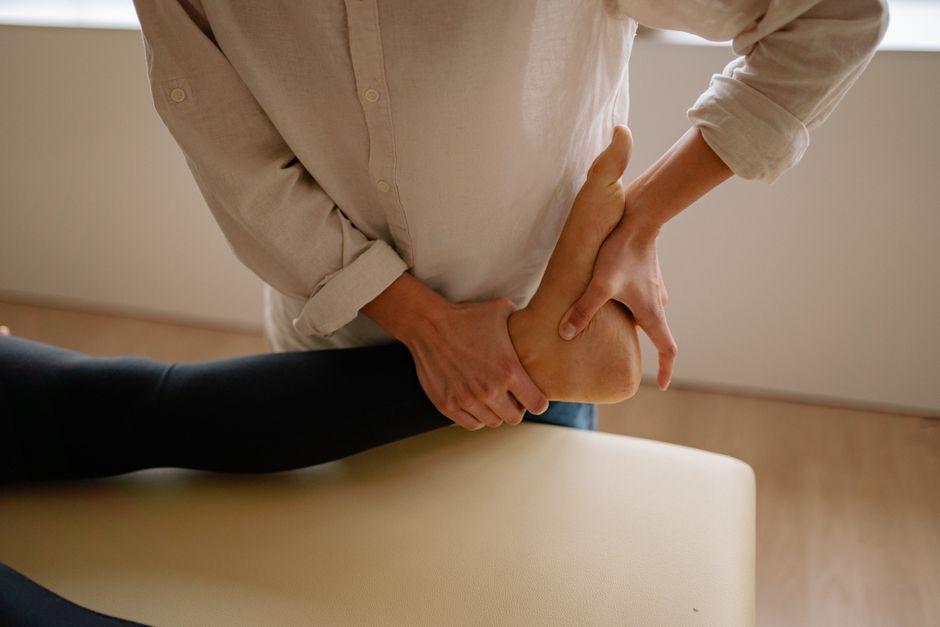
Physical therapy can help with specific problems. Gait training addresses walking changes. Balance exercises reduce fall risk. For nerve compression, like carpal tunnel, targeted therapy or a splint can relieve pressure on the nerve.
One practical caution: if your feet have lost sensation, check them after exercise. Blisters and small injuries can go unnoticed and become serious.





Why Foot Care Matters More Than Most People Realize
When nerves in the feet are damaged, you lose the ability to feel pain and temperature. That protective sensation is what stops most people from walking on a hot surface too long or ignoring a blister. Without it, small injuries can become ulcers and infections.
Foot care is not a treatment for the pain itself. It is prevention of the complications that make neuropathy dangerous. Daily checks for cuts, blisters, redness, and swelling matter. Well-fitting shoes matter. So does avoiding walking barefoot, even at home.
For people with diabetes and neuropathy, professional foot exams are part of standard care. This is one area where the guidance is clear and well established.
What About Supplements and Alternative Treatments?
This is where marketing runs far ahead of evidence. A long list of supplements is sold for neuropathy. For most of them, no large human trials have confirmed benefit.
One exception is vitamin B12. If you have a documented deficiency, correcting it is legitimate treatment. If your B12 level is normal, taking more has not been shown to help neuropathy.
Alpha-lipoic acid has been studied for diabetic neuropathy, with mixed results. Some trials suggest modest benefit; others do not. The evidence is not strong enough to call it established. It can also lower blood sugar, which matters if you take diabetes medication.
Other popular products, including certain B-vitamin blends and herbal remedies, lack convincing evidence for neuropathy pain. That does not mean they are harmful, but it does mean the claims are not backed by strong data.
Some people find relief from non-drug approaches. Research on these is limited, but they carry little risk:
- TENS (transcutaneous electrical nerve stimulation), a device that delivers mild electrical pulses through the skin
- Acupuncture, which some studies suggest may reduce pain, though results vary
- Relaxation and sleep strategies, which help with the distress that chronic pain causes
These are reasonable to try alongside medical care. They are not substitutes for treating a treatable cause.
What Can You Realistically Expect?
Neuropathy pain is usually managed, not eliminated. For many people, the goal is a meaningful reduction in pain, better sleep, and staying active and safe on their feet. That is a realistic target.
Some causes are reversible. A B12 deficiency caught early can improve. Blood sugar control can slow progression. But nerve damage that has built up over years often does not fully heal, and it is honest to say so.
The most useful steps are unglamorous. Get the cause identified. Work with a clinician on medication that fits you. Move regularly. Check your feet. Skip the supplements that promise cures no trial has shown.
Frequently Asked Questions
Can neuropathy pain go away completely?
It can in some cases, particularly when a reversible cause like vitamin B12 deficiency is corrected early. For most people with longstanding nerve damage, the goal is reducing pain and preventing it from worsening rather than a full cure.
What is the best medication for neuropathy pain?
There is no single best medication, because response varies from person to person. Duloxetine and pregabalin have the strongest trial evidence for diabetic neuropathy, and clinicians often try these first.
Does walking help neuropathy in the feet?
Walking can improve circulation and balance, which lowers fall risk, but it does not repair damaged nerves. If your feet have reduced sensation, check them after walking for blisters or injuries you might not feel.
Are opioids ever used for nerve pain?
They are generally not recommended for long-term neuropathy pain because evidence for lasting benefit is weak and the risks are significant. Short-term use may be considered in specific situations by a clinician.
