
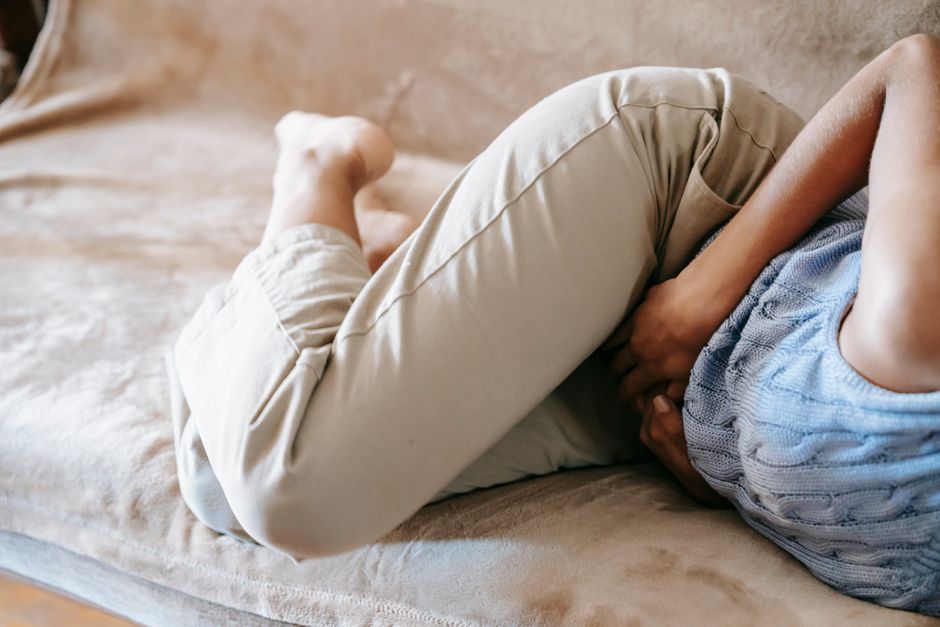
Lower leg pain can stop you mid-step, whether it is a sudden cramp, a deep ache after a long day, or a sharp pull from exercise. The fastest way to get relief depends on what is causing the pain, but immediate steps like gentle stretching, applying ice or heat, and elevating the leg can often reduce discomfort within minutes. For muscle cramps, stretching the calf and flexing the foot upward usually stops the spasm quickly. For soreness or strain, rest and cold therapy are the most effective first moves. If the pain is severe, sudden, or accompanied by swelling, redness, or chest symptoms, that is not a moment for home remedies — it requires urgent medical attention.
What Causes Sudden Lower Leg Pain?
Lower leg pain has many possible sources, and the right immediate treatment depends on identifying the likely cause. The most common sudden causes are muscle cramps, strains, and contusions from impact. Cramps are involuntary muscle spasms, often in the calf, that can last from seconds to minutes. They frequently strike during exercise, at night, or after dehydration.
Strains happen when a muscle or tendon is overstretched or torn. The calf muscles — the gastrocnemius and soleus — are common sites for strains, especially during sports that involve sprinting or jumping. A mild strain causes a pulling sensation and soreness. A more severe tear can produce a sudden sharp pain, bruising, and difficulty bearing weight.
Less common but more serious causes include deep vein thrombosis (DVT), a blood clot in the deep veins of the leg. DVT typically causes swelling, warmth, and a cramping pain in one leg. It requires immediate medical evaluation because a clot can travel to the lungs. Other serious causes include a stress fracture, which produces localized bone pain, or compartment syndrome, a dangerous pressure buildup in the muscle that is a medical emergency.
If you cannot tell what is causing the pain, start with the safest approach: stop the activity, rest the leg, and assess whether you can bear weight without severe pain. If you can, home care is reasonable. If not, seek medical attention.
How To Get Rid Of Lower Leg Pain Immediately
For muscle cramps, the fastest relief comes from stretching the affected muscle. For a calf cramp, sit with your leg extended and gently pull your toes toward your shin. Hold the stretch until the spasm releases, usually within 30 to 60 seconds. Massaging the tight muscle while stretching can also help. Some research suggests that pickle juice or other sources of sodium may shorten cramp duration, but the evidence is limited and stretching remains the most reliable method.
For muscle strains and soreness, use the RICE method — rest, ice, compression, and elevation. Rest the leg by avoiding weight-bearing activities. Apply an ice pack wrapped in a thin towel for 15 to 20 minutes at a time. Do not apply ice directly to the skin, as it can cause frostbite. Compression with an elastic bandage can limit swelling, but it should be snug, not tight. Elevate the leg above heart level when possible to reduce fluid buildup.
Heat is a better choice for chronic stiffness or muscle tightness, but for acute injury or sudden pain, ice is preferred because it reduces inflammation and numbs the area. After 48 to 72 hours, switching to heat can promote blood flow and healing.
Over-the-counter pain relievers such as ibuprofen or acetaminophen can reduce discomfort, but they do not address the underlying cause. Use them according to the label instructions and only if you have no medical reason to avoid them, such as kidney disease, stomach ulcers, or a history of bleeding.
When To Use Ice Versus Heat
Ice and heat are not interchangeable. Ice constricts blood vessels, reduces swelling, and numbs pain. It is the right choice for fresh injuries, within the first 48 hours, or for any sudden pain that involves inflammation. Apply it for 15 to 20 minutes, then remove it for at least 40 minutes before reapplying.
Heat increases blood flow and relaxes tight muscles. It is useful for chronic stiffness, muscle tightness before activity, or lingering soreness after the acute phase has passed. A warm compress or heating pad for 15 to 20 minutes is sufficient. Do not use heat on a swollen or freshly injured area, as it can increase inflammation.
Some people alternate between ice and heat, but there is no strong evidence that contrast therapy is more effective than ice alone for acute pain. If you are unsure, ice is the safer default for sudden pain.



Stretches That Stop Calf Pain Fast
Gentle stretching can relieve cramping and mild strain pain, but it should not be forced through sharp pain. The standing calf stretch is effective: place your hands against a wall, step the affected leg back, keep the heel on the ground, and bend the front knee until you feel a stretch in the back leg. Hold for 20 to 30 seconds and repeat twice.
The seated towel stretch targets the same muscles without requiring balance. Sit with your leg straight, loop a towel around the ball of your foot, and gently pull your toes toward you. Keep your knee straight and hold for 20 to 30 seconds.
For a soleus stretch, which targets the deeper calf muscle, perform the same standing position but bend the back knee slightly while keeping the heel down. This variation is often more comfortable for people with Achilles tendon issues.
Stretching should never increase pain. If a stretch makes the pain worse or produces a sharp, shooting sensation, stop immediately. That may indicate a more serious injury such as a tear or nerve compression.
When Lower Leg Pain Is A Medical Emergency
Some lower leg pain requires immediate emergency care, not home treatment. Seek urgent medical attention if the pain follows a significant injury, if you cannot bear weight on the leg, or if the leg is visibly deformed. These signs suggest a fracture or severe ligament tear.
Deep vein thrombosis is another emergency. Symptoms include swelling in one leg, warmth, redness, and a cramping or aching pain that may worsen when you flex your foot upward. DVT risk increases after long periods of immobility, such as a long flight or bed rest, and in people with a history of blood clots, cancer, or hormonal contraceptive use. If you suspect DVT, do not massage the leg or apply heat, as this can dislodge a clot. Go to an emergency department immediately.
Compartment syndrome is rare but serious. It causes severe pain that seems out of proportion to the injury, a feeling of tightness, and sometimes numbness or tingling. It typically follows a crush injury or intense exercise. This condition requires emergency surgery to relieve pressure.
If lower leg pain is accompanied by chest pain, shortness of breath, or difficulty breathing, call emergency services. This combination can indicate a blood clot that has traveled to the lungs — a life-threatening condition called pulmonary embolism.
How To Prevent Lower Leg Pain From Returning
Prevention depends on the cause, but several general habits reduce the risk of recurrent leg pain. Staying hydrated helps prevent cramps, particularly during exercise or in hot weather. Electrolyte imbalances, especially low potassium, magnesium, or sodium, can contribute to cramping, though the evidence for supplementation is mixed. A balanced diet with fruits, vegetables, and adequate fluids is the most reliable approach.
Warming up before exercise and cooling down afterward reduces strain risk. Gradually increase the intensity and duration of exercise rather than making sudden jumps. Wearing appropriate footwear with adequate arch support and cushioning also matters, especially for running or walking on hard surfaces.
For people who get night cramps, gentle calf stretches before bed and staying hydrated during the day may help. Some studies suggest that regular stretching reduces the frequency of nocturnal cramps, though results vary. If cramps are frequent, severe, or interfere with sleep, a medical evaluation is reasonable to rule out underlying conditions such as peripheral artery disease, nerve disorders, or mineral deficiencies.
Maintaining a healthy weight reduces the load on the lower legs. Strengthening the calf muscles and the muscles around the ankle can improve stability and reduce strain risk. Simple exercises like calf raises, performed with proper form, build resilience over time.
Home Remedies That Actually Work
Several home remedies have real evidence behind them. Epsom salt soaks provide magnesium through the skin, but the amount absorbed is small and the primary benefit is likely the warm water itself, which relaxes muscles. A warm bath for 15 to 20 minutes can ease muscle tightness and promote relaxation.
Gentle massage can reduce muscle tension and improve blood flow. Use light to moderate pressure and avoid deep massage on a freshly injured area, as it can worsen inflammation. Arnica gel and topical capsaicin cream have some evidence for reducing muscle pain, but results vary and neither is a substitute for addressing the underlying cause.
Compression socks or sleeves can help with certain types of leg pain, particularly pain related to prolonged standing or mild venous insufficiency. They work by supporting the veins and reducing fluid pooling. They are not appropriate for acute injuries or if you suspect DVT. Choose a properly fitted compression level, usually 15 to 20 mmHg for general use, and talk to a clinician if you have vascular disease.
Be cautious with supplements that claim to prevent cramps or muscle pain. The evidence for magnesium, potassium, and vitamin B12 in preventing cramps is mixed, and high doses can cause side effects. No dietary supplement has been proven to cure lower leg pain.
Frequently Asked Questions
What is the fastest way to stop a calf muscle cramp?
Stretch the calf by pulling your toes toward your shin while keeping your knee straight, and hold until the spasm releases. Massaging the muscle while stretching can also speed up relief.
Should I use ice or heat for lower leg pain?
Use ice for sudden pain, swelling, or fresh injuries within the first 48 hours. Use heat for chronic stiffness or muscle tightness after the acute phase has passed.
How long should lower leg pain last before seeing a doctor?
See a doctor if the pain does not improve after a few days of rest and home care, or if it is severe, worsening, or accompanied by swelling, redness, or numbness. Sudden severe pain, inability to bear weight, or chest symptoms require immediate emergency care.
Can dehydration cause lower leg pain?
Dehydration can contribute to muscle cramps, particularly during or after exercise. Staying hydrated reduces cramp frequency, though cramps can also occur for other reasons.
