
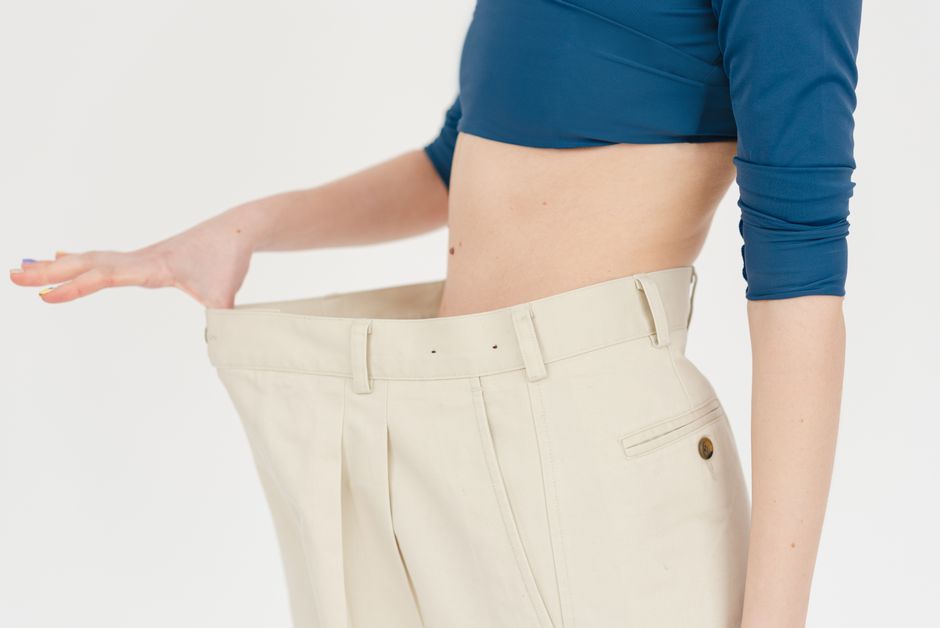
Lower belly fat is stubborn for a reason. It is not a sign of weak willpower. For women, especially after 40, it reflects a mix of genetics, hormones, and how the body stores fat. You cannot target belly fat with crunches or waist trainers. What works is reducing overall body fat, managing stress and sleep, and building habits you can keep for years, not weeks.
Why Does Lower Belly Fat Stick Around for Women?
Fat storage is partly genetic. Where your body prefers to store fat is largely determined by biology, and the lower abdomen is a common site for women.
Hormones play a real role here. Estrogen influences where fat is stored, and it shifts with age. Before menopause, many women carry more fat in the hips and thighs. As estrogen levels decline during perimenopause and menopause, fat distribution often shifts toward the abdomen. This is a normal physiological change, not a personal failure.
Cortisol, the body’s main stress hormone, also matters. Chronic stress is associated with increased abdominal fat storage. The relationship is well documented, though it is not the whole story. Sleep deprivation and high stress can also increase appetite and cravings, which makes fat loss harder to sustain.
One more factor that gets overlooked: visceral fat. This is fat stored deep around the organs, not the pinchable fat just under the skin. Visceral fat is more metabolically active and is linked to higher health risks than subcutaneous fat. A thicker lower belly can be a mix of both. This is one reason waist circumference is tracked in clinical settings, not just weight on a scale.
Can You Target Lower Belly Fat With Exercise?
No. Spot reduction is not possible. You cannot force your body to burn fat from one specific area by exercising that area.
This is one of the most persistent myths in fitness. Doing hundreds of crunches will strengthen your abdominal muscles, but it will not preferentially burn the fat covering them. Research on spot reduction has consistently failed to support it. The body draws on fat stores from throughout the body, and genetics largely determines the order in which that happens.
That said, exercise still matters. It helps create the calorie deficit needed for fat loss and preserves muscle mass while you lose fat. A combination of resistance training and cardiovascular exercise tends to work better than either alone for changing body composition.
Core exercises are still worth doing. They improve posture and trunk strength, which can change how your midsection looks even without fat loss. Good posture alone can make a real visual difference. But it will not remove the fat itself.
What Actually Reduces Lower Belly Fat?
A sustained calorie deficit is the foundation. Fat loss happens when you consistently take in fewer calories than you burn. There is no way around this basic principle.
How you create that deficit matters for whether you can stick with it. Very restrictive diets often lead to muscle loss, fatigue, and rebound weight gain. A moderate deficit you can maintain for months tends to produce better long-term results than an aggressive one you abandon in three weeks.
Protein deserves attention. Higher protein intake helps preserve muscle during weight loss and tends to increase fullness. Good sources include lean meat, fish, eggs, dairy, beans, and tofu.
Fiber also helps. Foods high in fiber, like vegetables, whole grains, and legumes, are filling and support digestive health. Most adults fall short of recommended fiber intake.
Strength training is important, especially for women over 40. It helps maintain muscle mass, which supports metabolism. Loss of muscle during dieting is common, and it makes future fat loss harder.
Sleep is not optional. Short sleep is linked to higher levels of hunger hormones and increased appetite. Adults generally need seven or more hours per night. If you are chronically sleeping five or six hours, that alone can work against everything else you are doing.





How Do Hormones and Menopause Change the Picture?
Menopause changes fat distribution in ways that are not fully within your control. The shift toward abdominal fat storage during and after menopause is well established.
This does not mean fat loss becomes impossible. It means the process may be slower and require more consistency. Many women find that the same habits that worked at 30 produce slower results at 50. That is frustrating but it is not a reason to give up.
Some women experience significant symptoms during perimenopause and menopause, including sleep disruption and mood changes. Poor sleep and higher stress can both affect appetite and fat storage. Addressing those symptoms with a doctor is a legitimate part of managing body composition, not a separate issue.
Hormone therapy is sometimes discussed in relation to body fat changes. The evidence on whether it meaningfully changes fat distribution is mixed, and it is not prescribed for weight or fat loss. Any decision about hormone therapy should be made with a clinician based on your individual situation.
What About Diet Trends and Supplements?
Most products marketed for belly fat do not have strong evidence behind them. This includes fat-burning supplements, detox teas, waist trainers, and topical creams.
Some supplements contain ingredients with mild effects on metabolism, but the effect sizes are typically small and inconsistent. No supplement has been shown to produce meaningful, lasting fat loss on its own. If a product promises rapid belly fat loss, that claim is not supported by clinical evidence.
Waist trainers do not burn fat. They compress the midsection temporarily and can restrict breathing and digestion if worn tightly. Any slimmer appearance disappears when you take them off.
Intermittent fasting has gained attention. Some people find it helps them control calorie intake. The evidence suggests it works about as well as other approaches when total calories are matched. It is a tool, not a magic method. It also is not appropriate for everyone, including some people with certain medical conditions or a history of disordered eating.
Low-carb and keto diets can produce faster initial weight loss, partly from water loss. Over time, when calories are matched, the difference in fat loss between diet approaches tends to shrink. The best diet is generally the one you can maintain.
What Lifestyle Habits Support Lasting Change?
Fat loss that lasts comes from habits, not short-term pushes. The women who keep it off tend to change how they live, not just what they eat for a few months.
- Eat mostly whole foods: vegetables, fruit, lean protein, whole grains, and healthy fats.
- Move regularly, including strength training two or more days per week and cardiovascular activity most days.
- Protect your sleep. Aim for seven or more hours and keep a consistent schedule.
- Manage stress with methods that work for you, such as walking, breathing exercises, or time with people you enjoy.
- Track progress in ways beyond the scale, such as waist measurements, how clothes fit, and energy levels.
- Expect slow progress. Fat loss of roughly one to two pounds per week is a commonly cited range for sustainable loss, though individual results vary widely.
Alcohol is worth a mention. It adds calories, can disrupt sleep, and tends to reduce inhibitions around food. Cutting back often helps more than people expect.
If you have tried consistently for months without results, or if you have other symptoms like fatigue, hair changes, or irregular periods, talk to a doctor. Conditions like thyroid disorders and PCOS can affect weight and fat distribution. These are worth ruling out before assuming the problem is effort.
Is Lower Belly Fat a Health Concern?
It can be, depending on how much and where it is. Visceral fat, the kind stored around the organs, is linked to higher risks of heart disease and type 2 diabetes.
Waist circumference is a practical measure. For women, a waist measurement above 35 inches is generally considered a marker of increased health risk, according to established clinical guidance. This is a rough screening tool, not a diagnosis.
The good news is that visceral fat tends to respond to lifestyle changes. Losing even a modest amount of overall body fat can reduce visceral fat and improve metabolic markers. You do not need to reach a specific weight or size to see health benefits.
Lower belly fat is common and often stubborn, especially for women. It is shaped by biology, hormones, and age. You cannot spot-reduce it, but you can reduce it over time with a consistent calorie deficit, adequate protein, strength training, good sleep, and stress management. Slow and steady is not a cliché here. It is what the evidence supports.
Frequently Asked Questions
Can you get rid of lower belly fat without exercise?
Yes, fat loss is possible through diet alone, but it is harder to maintain muscle without exercise. Strength training helps preserve muscle, which supports long-term results.
Why is lower belly fat so hard to lose for women?
Genetics, hormones, and age all influence where fat is stored, and the lower abdomen is a common storage site for women. Menopause shifts fat storage further toward the abdomen, which can slow visible changes.
Do waist trainers or belly wraps burn fat?
No. They compress the midsection temporarily and do not reduce fat. Any slimmer look disappears once you remove them.
How long does it take to see results?
Most people see gradual changes over several weeks to months with consistent habits. Fat loss of about one to two pounds per week is a commonly cited sustainable range, though individual results vary.
