
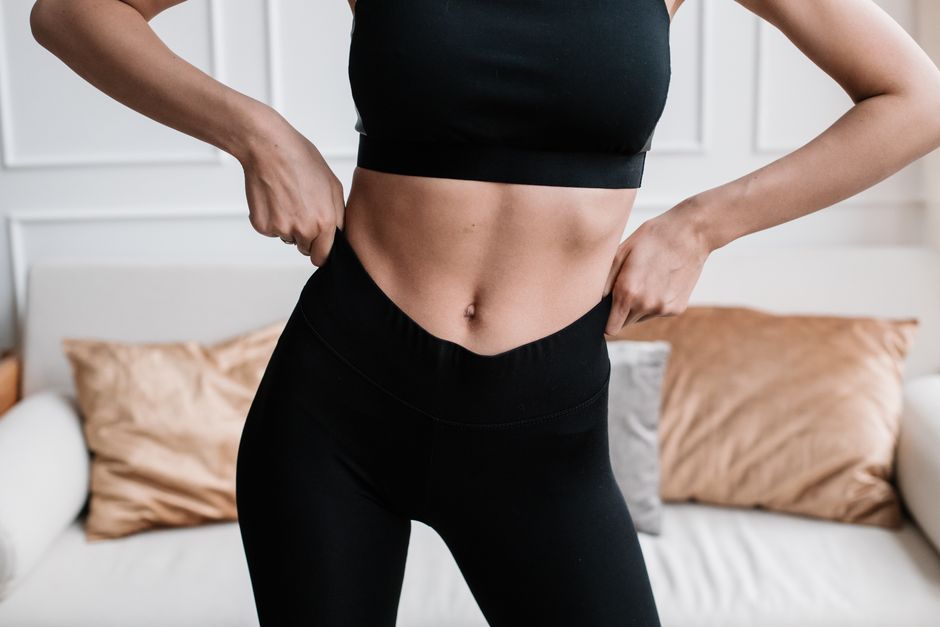
Lower belly fat is stubborn. It is often the last place your body loses fat and the first place it stores it. You cannot target it with crunches or special exercises. The only real way to reduce it is by losing body fat overall through consistent calorie control and the right habits. This guide explains what works, what does not, and why most quick fixes fail.
What Actually Causes Lower Belly Fat to Build Up?
Your body stores fat for energy. Where it stores it depends on genetics, hormones, and age. For many people, the lower abdomen is a primary storage site. This is especially true for women after menopause and men over 40.
Stress plays a real role. When you are stressed, your body releases cortisol. High cortisol levels tell your body to hold onto fat in the midsection. Research shows that people with higher stress levels tend to carry more abdominal fat, even if they are not overweight overall.
Sleep matters more than most people realize. Studies have found that sleeping less than six hours per night is linked to higher levels of belly fat. Poor sleep disrupts hunger hormones like ghrelin and leptin, making you hungrier and less satisfied after meals.
Diet is the biggest factor. Highly processed foods, added sugars, and refined grains spike insulin. Insulin is a fat-storage hormone. When insulin stays high, your body burns less fat and stores more, especially in the belly area.
Can You Spot Reduce Lower Belly Fat?
No. This is one of the most persistent myths in fitness. You cannot choose where your body loses fat. Doing hundreds of crunches or leg raises will strengthen your core muscles, but it will not burn the fat sitting on top of them.
Your body pulls fat from all over when you create a calorie deficit. Where it comes from first is genetic. Some people lose fat from their face first. Others lose it from their arms or chest. For most people, lower belly fat is the last to go.
Current research suggests that you cannot change this order. No amount of targeted exercises, creams, wraps, or devices will make your body prioritize lower belly fat. If a product promises to melt belly fat in one spot, it is not backed by evidence.
What you can do is build muscle in that area. Stronger abdominal muscles will make your midsection look tighter and more defined once the fat layer thins out. But the fat has to thin out first through overall fat loss.
What Does the Research Say About How to Get Rid of Lower Abdominal Belly Fat?
The evidence is clear and consistent. To get rid of lower abdominal belly fat, you need a calorie deficit. That means eating fewer calories than your body burns. There is no way around this. Every successful weight loss study relies on this principle.
But the type of food matters too. A 2018 study in the Journal of Nutrition found that people who ate more protein and fiber lost more belly fat over 12 months compared to those who ate the same number of calories but less protein and fiber. Protein keeps you full. Fiber slows digestion and feeds good gut bacteria.
Exercise helps, but not in the way most people think. Aerobic exercise like walking, jogging, or cycling is effective for reducing total body fat. Strength training helps preserve muscle while you lose fat. More muscle means a higher resting metabolism, which makes it easier to maintain a calorie deficit over time.
High-intensity interval training (HIIT) has shown some advantages. A 2019 review in Sports Medicine found that HIIT reduced abdominal fat more than steady-state cardio in the same amount of time. This does not mean HIIT targets belly fat. It just means it burns more calories in less time.
There is no magic food or supplement. Green tea, apple cider vinegar, and various “fat-burning” supplements have been studied. The effects are small at best. Some people report benefits from these, but strong evidence is limited. As of 2026, no supplement has been proven to significantly reduce belly fat on its own.





What Foods Help Reduce Lower Belly Fat?
Whole foods are the foundation. Vegetables, lean proteins, whole grains, and healthy fats should make up most of your diet. These foods are nutrient-dense and lower in calories compared to processed options.
Protein is especially important. Aim for at least 25 to 30 grams per meal. This could be eggs at breakfast, chicken or beans at lunch, and fish or tofu at dinner. Protein increases satiety and has a higher thermic effect, meaning your body burns more calories digesting it.
Fiber-rich foods help control appetite. Vegetables, fruits, legumes, and oats are good sources. Soluble fiber, found in foods like oats, apples, and flaxseeds, forms a gel in your gut that slows digestion and helps regulate blood sugar. A 2015 study found that increasing soluble fiber by 10 grams per day reduced belly fat accumulation over five years.
Cut back on added sugars and refined grains. Sugary drinks are the worst offender. A single can of soda contains about 40 grams of sugar, mostly fructose. Fructose is processed in the liver and can promote fat storage in the abdomen. Replacing sugary drinks with water is one of the most effective single changes you can make.
Here is a simple comparison of foods that help versus foods that hinder:
| Helpful Foods | Foods to Limit |
|---|---|
| Leafy greens (spinach, kale) | Sugary drinks (soda, sweet tea) |
| Lean proteins (chicken, fish, tofu) | Refined grains (white bread, pasta) |
| Whole fruits (berries, apples) | Processed snacks (chips, cookies) |
| Nuts and seeds (almonds, chia) | Fried foods (french fries, fried chicken) |
| Legumes (lentils, chickpeas) | High-sugar cereals and granola bars |
What Kind of Exercise Works Best for Lower Belly Fat?
Consistent movement matters more than any specific workout. Walking is underrated. A 2021 study found that people who walked 8,000 to 10,000 steps per day lost significantly more abdominal fat over six months compared to those who walked less. Walking is low impact and sustainable for almost everyone.
Strength training twice per week helps preserve muscle. Compound exercises like squats, deadlifts, and push-ups engage your core naturally. You do not need to do isolated ab work, though it can help with muscle definition once fat levels drop.
HIIT can be effective if you have limited time. A typical HIIT session lasts 15 to 20 minutes. It involves short bursts of intense effort followed by brief rest periods. This style of training keeps your metabolism elevated for hours after you finish.
Do not rely on exercise alone. It is much easier to create a calorie deficit through diet than through exercise. A 30-minute run burns roughly 300 calories. That is the same as a single bagel with cream cheese. You cannot outrun a bad diet.
Consistency beats intensity. Doing moderate exercise five days per week will produce better results than intense workouts that leave you exhausted and unable to stick with them. Find something you can maintain long term.
What Lifestyle Changes Actually Make a Difference?
Sleep is non-negotiable. Aim for seven to nine hours per night. Poor sleep increases cortisol and makes you crave high-calorie foods. A 2019 study in the Journal of Clinical Sleep Medicine found that people who slept fewer than six hours had 32 percent more belly fat than those who slept seven to eight hours.
Manage stress actively. This does not mean bubble baths and candles. It means finding ways to lower your cortisol response. Daily walks, time outdoors, and setting boundaries at work are practical strategies. Chronic stress is a direct contributor to belly fat storage.
Alcohol is a common hidden source of calories and belly fat. Alcohol is metabolized differently than other nutrients. Your body prioritizes burning alcohol over burning fat. Drinking regularly, even moderately, can slow fat loss. A 2018 study found that men who drank more than two drinks per day had significantly more belly fat.
Here are practical steps to start today:
- Replace one sugary drink per day with water or unsweetened tea
- Add a serving of vegetables to lunch and dinner
- Walk for 20 minutes after your largest meal
- Go to bed 30 minutes earlier this week
- Eat protein at every meal
Do not try to change everything at once. Pick two or three of these and do them consistently for two weeks. Then add more. Slow, steady changes are more likely to stick than a complete overhaul that lasts three days.
Common Misconceptions About Lower Belly Fat
Many products and methods claim to target lower belly fat specifically. Ab belts, vibrating platforms, and topical creams are sold with promises of spot reduction. None of these work. The Federal Trade Commission has fined companies for making these claims because there is no evidence to support them.
Detox teas and cleanses are popular but ineffective. They cause water loss, not fat loss. Any weight you lose from a detox tea will return as soon as you drink fluids again. Your liver and kidneys detox your body naturally. They do not need help from expensive teas.
Fasting is not a magic solution for belly fat. Intermittent fasting works for some people because it helps them eat fewer calories overall. But it does not specifically target belly fat. A 2020 review found that intermittent fasting produced similar fat loss to traditional calorie restriction when total calories were matched.
You do not need to eat “clean” 100 percent of the time. Perfection is not required for progress. What matters is your overall pattern over weeks and months. An 80 percent consistent approach will produce results. The remaining 20 percent allows for flexibility that makes the plan sustainable.
Frequently Asked Questions About How to Get Rid of Lower Abdominal Belly Fat
Can I lose lower belly fat without exercise?
Yes, you can lose lower belly fat without exercise by maintaining a calorie deficit through diet alone. However, exercise helps you lose fat faster and preserves muscle, which improves your overall appearance.
How long does it take to see results in lower belly fat?
Most people start seeing visible changes in 4 to 8 weeks with consistent diet and exercise. Lower belly fat is typically the last area to change, so patience is necessary.
Does drinking water help reduce belly fat?
Drinking water helps by replacing high-calorie drinks and supporting your metabolism. It does not directly burn belly fat, but it aids overall fat loss when part of a healthy diet.
Are there any exercises that target lower belly fat specifically?
No exercise can target fat loss from a specific area. Core exercises strengthen muscles underneath the fat, but you cannot burn fat from just one spot through exercise alone.
