
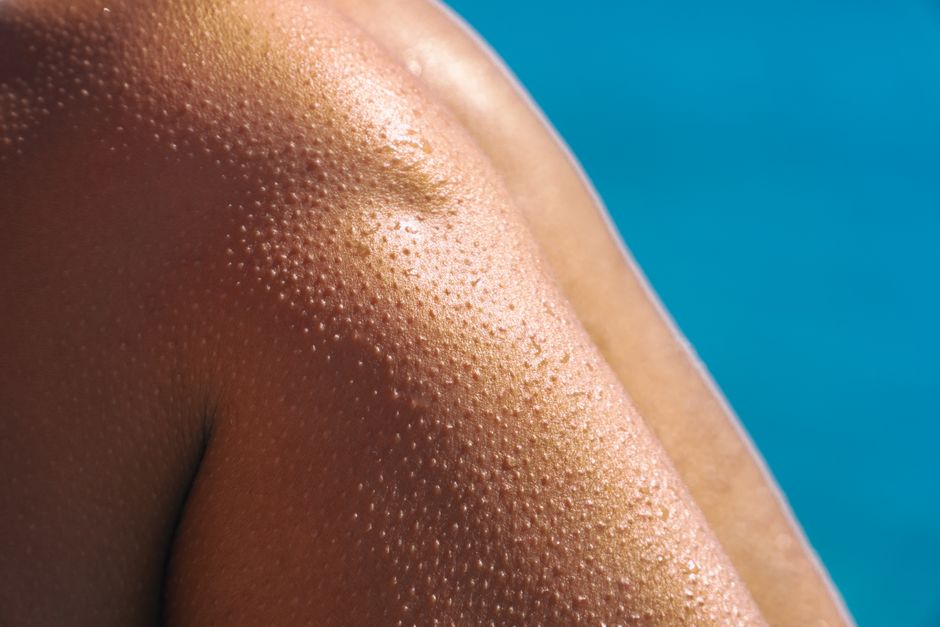
Little bumps on the face are frustrating, but most are harmless and treatable. The key is identifying what kind of bumps you have, because different types need different care. Most often, these are either closed comedones (whiteheads), milia, or keratosis pilaris, and each responds best to a specific approach—not a one-size-fits-all scrub or cream.
What Are The Little Bumps On My Face?
Before you treat anything, you need to know what you are dealing with. The term “little bumps” covers several distinct skin conditions. Treating the wrong one can make things worse or simply do nothing.
The most common culprits are:
- Closed comedones (whiteheads): Small, flesh-colored or white bumps caused by a pore clogged with oil and dead skin cells. The pore opening is closed, so the contents are not exposed to air.
- Milia: Tiny, hard, white cysts that sit just under the skin surface. They are not acne. They contain keratin, not oil, and they do not have an opening to the surface.
- Keratosis pilaris: Small, rough, bumpy patches, often on cheeks or upper arms. These are caused by a buildup of keratin blocking hair follicles. On the face, they often appear as redness with tiny rough bumps.
- Acne breakouts: Inflamed papules or pustules that are red and sometimes tender. These involve bacteria and inflammation, not just a clogged pore.
If your bumps are red, painful, or filled with pus, that is inflammatory acne. If they are painless, skin-colored, and have been there for weeks, you are likely dealing with milia or closed comedones.
How To Get Rid Of Little Bumps On Face: Start With The Right Ingredients
Treatment depends entirely on the type of bump. However, a few active ingredients are consistently supported by dermatology research for the most common causes.
Salicylic acid is a beta hydroxy acid that is oil-soluble. This means it can penetrate into the pore and dissolve the oil and dead skin cells that cause whiteheads and closed comedones. It is the first-line ingredient for non-inflamed clogged pores.
Glycolic acid is an alpha hydroxy acid that works on the skin surface. It loosens the bonds between dead skin cells, helping them shed. This is useful for rough texture and keratosis pilaris, but it does not penetrate deep into pores like salicylic acid.
Retinoids (over-the-counter retinol or prescription tretinoin) are the most effective option for both comedones and milia. Retinoids speed up cell turnover, preventing dead cells from clogging pores and helping milia work their way to the surface. Prescription-strength retinoids are the gold standard for stubborn cases.
For keratosis pilaris on the face, a combination of a chemical exfoliant and a gentle moisturizer is the standard approach. Urea or lactic acid in a moisturizer can soften the keratin plugs over time.
What Not To Do: Common Mistakes That Make Bumps Worse
Many people make the same mistakes when they see little bumps. Avoiding these is as important as using the right product.
Do not scrub aggressively. Physical scrubs with beads or granules do not reliably unclog pores. They irritate the skin, which can trigger more inflammation and make bumps more visible. This is especially true for milia, which are trapped under a layer of skin and cannot be scrubbed away.
Do not pick or squeeze. Squeezing a whitehead can push oil deeper into the pore, causing a larger inflamed pimple. Milia cannot be squeezed out because they have no opening. Picking at them risks scarring and infection. A dermatologist can remove milia with a sterile lancet in minutes.
Do not layer too many active ingredients. Using salicylic acid, glycolic acid, and retinol all at once will strip the skin barrier. This leads to redness, peeling, and sensitivity, and it often makes the bumps worse. Start with one active ingredient and use it consistently for at least six to eight weeks before judging results.





Building A Simple Routine That Clears Bumps
A consistent, gentle routine works better than a complicated one. Skin cell turnover takes time, so do not expect changes overnight. Most people need four to eight weeks of consistent use to see improvement.
Start with a gentle cleanser that does not leave your skin feeling tight. Use lukewarm water, not hot. After cleansing, apply a moisturizer even if your skin feels oily. A damaged skin barrier produces more oil, which makes clogged pores worse.
In the evening, apply your active ingredient. If you are using a retinoid, start with two nights per week and increase slowly to avoid irritation. If you are using salicylic acid, a 2% leave-on product is more effective than a rinse-off cleanser because it stays on the skin longer.
In the morning, use a sunscreen with SPF 30 or higher. Many active ingredients increase sun sensitivity. Sun damage also thickens the skin over time, which makes clogged pores more likely.
When To See A Dermatologist
If your bumps persist after eight weeks of consistent use of the right active ingredients, see a board-certified dermatologist. They can confirm the diagnosis and offer prescription treatments that are stronger than anything available over the counter.
Prescription options include tretinoin, adapalene (now available over the counter in the US at 0.1%), or azelaic acid. A dermatologist can also extract milia or stubborn comedones in the office. This is safe and effective when done by a professional.
See a doctor sooner if the bumps are painful, spreading, or accompanied by scarring. Also seek medical advice if you are pregnant or breastfeeding, because many prescription acne treatments are not safe during pregnancy. Topical retinoids, including tretinoin and isotretinoin, are known to cause birth defects and must be avoided.
Are These Bumps A Sign Of An Allergy Or A Skin Condition?
Sometimes little bumps are not clogged pores at all. Contact dermatitis, a reaction to a product or ingredient, can cause tiny red bumps or a rough rash on the face. This usually appears within hours or days of using a new product and often itches.
Perioral dermatitis is another condition that causes small red bumps around the mouth or nose. It is often mistaken for acne but does not respond to acne treatments. Steroid creams can actually trigger or worsen it. If your bumps cluster around the mouth and are itchy or burning, this may be the issue.
If you recently introduced a new cleanser, moisturizer, or makeup, stop using it for two weeks to see if the bumps clear. If they resolve, you have identified the trigger. If they do not, the cause is likely a clogging or keratinization issue rather than a reaction.
How Long Until The Bumps Go Away?
This depends on the type of bump. Closed comedones and keratosis pilaris respond slowly. With daily use of an appropriate active ingredient, visible improvement typically takes four to eight weeks. Full clearing can take three months or longer.
Milia may not respond to topical treatments at all. Many cases of milia in adults persist for months. Physical removal by a dermatologist is the most reliable treatment. In infants, milia usually disappears on its own within a few weeks and needs no treatment.
Inflammatory acne bumps can improve faster, often within a few days to a week, but preventing new bumps is the real goal. Consistent use of a retinoid or benzoyl peroxide reduces future breakouts, not just current ones.
Frequently Asked Questions
Can toothpaste get rid of little bumps on my face?
No. Toothpaste is not a skin treatment and can irritate or burn the skin. Use a proven acne ingredient like salicylic acid or benzoyl peroxide instead.
Are little bumps on my face milia or whiteheads?
Milia are hard, white, and do not pop because they have no pore opening. Whiteheads are softer and can be extracted because they are clogged pores. A dermatologist can tell the difference quickly.
Will exfoliating remove these bumps faster?
No. Over-exfoliating damages the skin barrier and increases irritation, which can make bumps worse. Gentle chemical exfoliation with salicylic or glycolic acid a few times per week is safer than daily scrubbing.
Can moisturizer cause little bumps on my face?
Yes, some moisturizers contain ingredients that clog pores, such as certain oils or silicones. If you suspect your moisturizer, switch to a non-comedogenic product labeled for acne-prone skin and monitor for improvement.
