
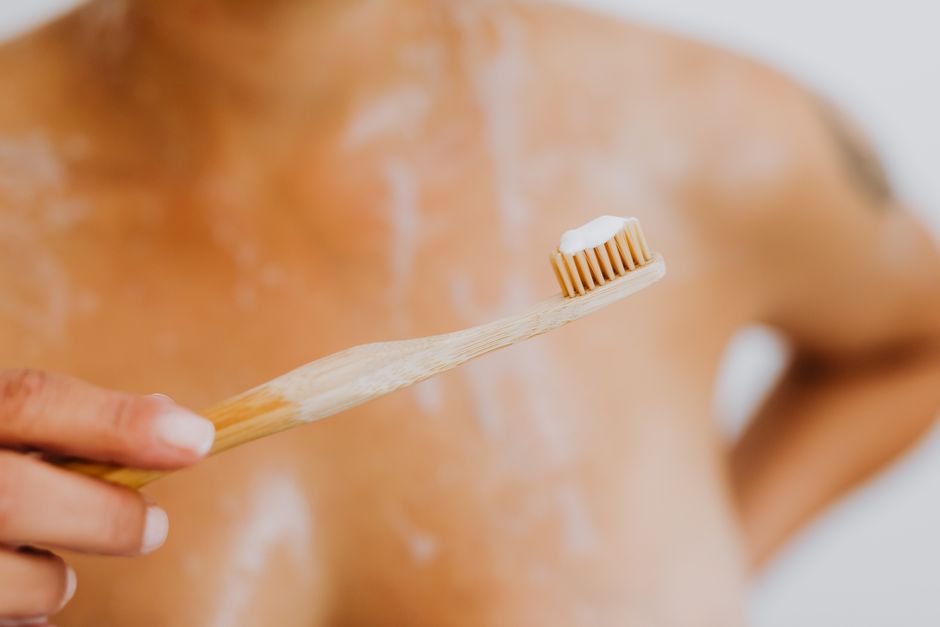
Toothpaste is not a proven treatment for skin bumps, and dermatologists generally advise against using it on your skin. While toothpaste contains ingredients that can dry out a pimple, it also contains harsh chemicals that can cause irritation, redness, peeling, and even chemical burns. The short answer is that toothpaste may seem to shrink a bump overnight, but the risk of skin damage outweighs any potential benefit.
Why Do People Put Toothpaste on Bumps?
The idea likely started as a home remedy passed down through generations. Toothpaste contains several ingredients that seem like they should help a pimple. These include baking soda, hydrogen peroxide, alcohol, and sometimes triclosan (an antibacterial agent).
These ingredients do have drying and antibacterial properties. When you apply toothpaste to a pimple, it can absorb oil and dry out the surface of the bump. This can make the pimple look flatter and less red by morning.
But this effect is cosmetic and temporary. The toothpaste does not treat the underlying cause of the pimple, which involves clogged pores, bacteria, and inflammation below the skin’s surface.
What Are the Risks of Using Toothpaste on Skin?
Toothpaste is formulated for teeth, not skin. It contains detergents, abrasives, and flavoring agents that can be harsh on the skin’s surface. These ingredients can strip the skin of its natural oils and disrupt the protective skin barrier.
Common side effects of applying toothpaste to a pimple include:
- Redness and irritation
- Dryness and peeling
- Burning or stinging sensation
- Contact dermatitis (an allergic reaction)
- Darkening of the skin (post-inflammatory hyperpigmentation)
People with sensitive skin, eczema, or rosacea are at higher risk for these reactions. The skin around the mouth and nose is especially delicate, making it more vulnerable to irritation from toothpaste ingredients.
In severe cases, toothpaste can cause chemical burns. This is more likely with whitening toothpastes, which contain higher concentrations of hydrogen peroxide or baking soda. These burns can leave permanent scars or dark spots.
Does Toothpaste Actually Work on Bumps?
Some people report that toothpaste dries out a pimple quickly. This is not the same as evidence that it works. No clinical trials have studied toothpaste as an acne treatment. Dermatologists do not recommend it.
The drying effect comes from ingredients like alcohol and baking soda. These can reduce the appearance of oil on the skin’s surface. But they do not address the bacteria or inflammation inside the pore.
There is also a difference between a pimple and other types of bumps. Toothpaste will not help with cystic acne, ingrown hairs, insect bites, or skin cysts. These conditions require different treatments entirely.
If a bump is not a pimple, applying toothpaste could make the problem worse. For example, putting toothpaste on an infected ingrown hair could irritate the area further and delay healing.



What Should You Use Instead of Toothpaste?
Over-the-counter acne treatments are safer and more effective than toothpaste. These products are formulated for skin and have been tested for safety and efficacy.
For a single pimple, look for products containing benzoyl peroxide or salicylic acid. Benzoyl peroxide kills acne-causing bacteria and helps clear blocked pores. Salicylic acid helps dissolve the material inside the pore and reduces inflammation.
These are the active ingredients dermatologists recommend for mild acne. They are available in creams, gels, and spot treatments at most drugstores.
Another option is a hydrocolloid patch. These small adhesive stickers are placed over a pimple and left on for several hours or overnight. They absorb fluid from the bump and create a protective barrier against picking or scratching.
Hydrocolloid patches are physically gentle on the skin. They do not contain harsh chemicals and are less likely to cause irritation than toothpaste.
For bumps that are not pimples, the right treatment depends on the cause. An insect bite may respond to an antihistamine cream. An ingrown hair may improve with warm compresses and gentle exfoliation. If you are unsure what a bump is, see a dermatologist for an accurate diagnosis.
When Should You See a Dermatologist?
Most pimples and minor skin bumps can be managed at home with over-the-counter products. But some situations require professional care.
See a dermatologist if you have:
- Severe or painful acne that does not improve with over-the-counter treatments
- Deep, painful cysts or nodules under the skin
- Bumps that bleed, change color, or grow rapidly
- A bump that does not go away after several weeks
- Signs of infection, such as increasing redness, warmth, or pus
A dermatologist can identify what the bump actually is. They can also prescribe stronger treatments, such as prescription-strength topical medications, oral antibiotics, or other therapies that are not available over the counter.
If you have already applied toothpaste to a bump and it is now red, painful, or blistered, stop using it. Wash the area gently with mild soap and water. Apply a plain moisturizer or petroleum jelly to soothe the skin. If the reaction is severe, seek medical attention.
Do Toothpaste Help Bumps: The Bottom Line
Toothpaste is not a safe or effective treatment for skin bumps. It can dry out a pimple temporarily, but it also carries a real risk of irritation, burns, and scarring.
Proven treatments like benzoyl peroxide, salicylic acid, and hydrocolloid patches are better choices. They are designed for skin, tested for safety, and available without a prescription.
If a bump is painful, persistent, or unusual in appearance, do not experiment with home remedies. See a dermatologist for an accurate diagnosis and appropriate treatment.
Frequently Asked Questions
Can toothpaste make a pimple worse?
Yes. Toothpaste can irritate the skin, cause redness, peeling, or contact dermatitis, and sometimes lead to dark spots or scarring. It does not treat the bacteria or inflammation causing the pimple.
How long should I leave toothpaste on a pimple?
You should not leave toothpaste on your skin at all. Dermatologists do not recommend using toothpaste as an acne treatment because the risks of irritation and burns outweigh any temporary drying effect.
What is the fastest way to get rid of a pimple?
A spot treatment containing benzoyl peroxide or salicylic acid is the fastest proven option for a single pimple. A hydrocolloid patch can also reduce the size of a pimple overnight without harsh chemicals.
Is toothpaste safe for bug bites?
No. Toothpaste is not a proven treatment for insect bites. Antihistamine creams, hydrocortisone cream, or cold compresses are safer and more effective for reducing itching and swelling from bug bites.
