
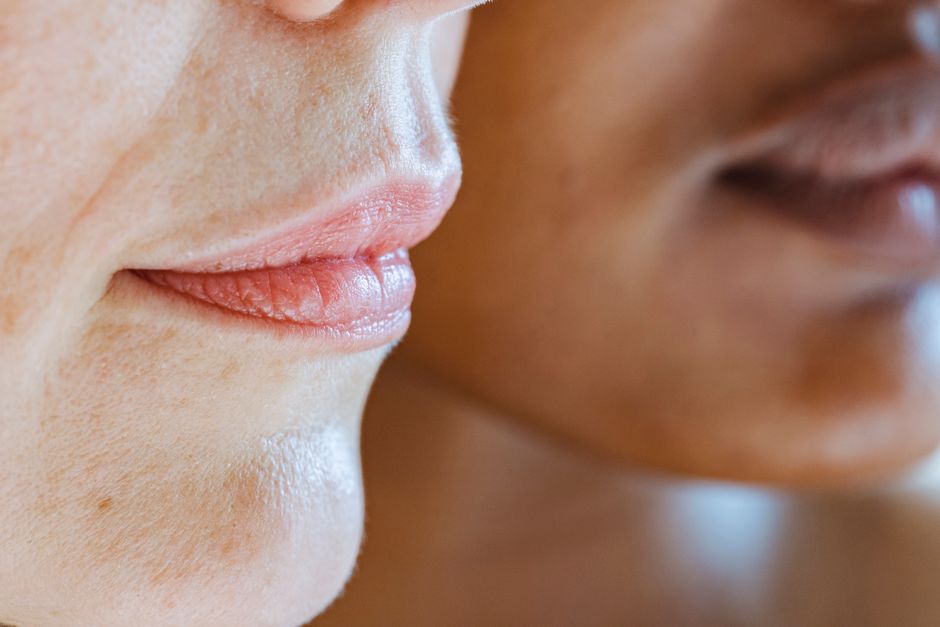
Lines on the lips are a common cosmetic concern as skin ages. These fine lines and vertical creases form for specific reasons, and the best treatment depends on what is causing them. The most effective approach combines daily sun protection, consistent moisturizing, and targeted treatments like retinoids or in-office procedures for deeper lines. No single product erases lip lines completely, but the right strategy can visibly smooth them.
Why Do Lines Form On The Lips?
Lip lines develop for several reasons. The skin on your lips is thin and has few oil glands. It loses moisture faster than the rest of your face. Over time, this dryness makes fine lines more visible.
Sun damage is a major factor. Ultraviolet light breaks down collagen and elastin in the skin. These proteins keep skin firm and smooth. When they degrade, the skin loses structure and lines form. This is why smokers often develop deep vertical lines above the upper lip. The repeated motion of pursing lips around a cigarette combines with sun exposure to accelerate the process.
Genetics also play a role. Some people are simply born with thinner skin or a tendency toward earlier collagen loss. Aging itself reduces collagen production naturally. Starting around age 30, the body makes less collagen each year. This affects the lips just like it affects the rest of the face.
What Actually Works For Lip Lines?
Treatment options fall into three categories: daily care, topical products, and professional procedures. Daily care is the foundation. Topical products can help with fine lines. Professional procedures are the most effective for deeper lines.
Daily habits matter more than most people realize. Sunscreen on the lips is often skipped, but it is essential. Look for a lip balm with SPF 30 or higher. Reapply it throughout the day, especially when outdoors. This prevents further collagen breakdown.
Hydration is the second pillar. Drink enough water and use a moisturizing lip balm regularly. Ingredients like petrolatum, shea butter, and ceramides trap moisture in the skin. This plumps fine lines temporarily and prevents them from deepening.
Avoid habits that strain the lip area. Smoking is the most obvious one. Repeated straw use and aggressive lip licking can also contribute. These behaviors stretch the skin and dry it out over time.
Do Retinoids Help Lip Lines?
Retinoids are vitamin A derivatives that stimulate collagen production. They are proven to improve fine lines on the face. Some evidence suggests they help with lip lines specifically, though results take time.
Over-the-counter retinol is a reasonable starting point. It is less potent than prescription retinoids but still effective with consistent use. Apply a pea-sized amount to the lip area at night. Start with two to three times per week to let your skin adjust. Redness and peeling are common in the first few weeks.
Prescription retinoids like tretinoin are stronger. Dermatologists sometimes recommend them for lip lines. They work faster than retinol but cause more irritation. You need a prescription and should follow your doctor’s instructions carefully. Never apply retinoids to cracked or broken skin.
Results are not immediate. Visible improvement typically takes three to six months of consistent use. The lines may not disappear completely, but they often become shallower and less noticeable.





What Are The Best Professional Treatments?
For deeper lines, professional treatments offer the most dramatic results. These procedures are performed by dermatologists or licensed aestheticians. They are not cheap, and results vary by individual.
Dermal fillers are the most popular option for lip lines. Hyaluronic acid fillers like Juvederm or Restylane add volume and smooth creases. The effect is immediate and lasts six to twelve months. Some people love the results. Others find filler makes the lips look overdone. It is important to choose an experienced injector who understands facial proportions.
Laser resurfacing is another option. Fractional lasers create microscopic injuries in the skin that trigger collagen production. This tightens the skin and softens lines. Recovery takes several days of redness and peeling. Results improve over several months as new collagen forms. Some lasers are more aggressive than others, so discuss downtime with your provider.
Chemical peels can also help. Medium-depth peels remove the outer layer of skin, revealing fresher skin underneath. They are less effective than lasers for deep lines but work well for fine surface lines. Multiple sessions are usually needed.
Microneedling is a newer treatment that uses tiny needles to create controlled micro-injuries. It stimulates collagen and can improve lip lines. Results are subtle and require multiple sessions. It is less effective than filler or laser for pronounced lines.
What About Natural Remedies?
Natural remedies are popular on social media, but the evidence is thin. No study has confirmed that coconut oil, aloe vera, or vitamin E erases lip lines. These ingredients moisturize the skin, which can temporarily soften the appearance of fine lines. That is a cosmetic effect, not a structural change.
Some people swear by DIY lip scrubs made from sugar and honey. Exfoliating removes dead skin cells and can make lips look smoother temporarily. But over-exfoliating damages the skin and makes lines worse. Once or twice a week is enough if you choose to scrub. Be gentle.
Facial exercises are another viral trend. The idea is that strengthening muscles around the mouth lifts and tightens the area. No clinical evidence supports this claim. In fact, repetitive facial movements are part of what creates dynamic wrinkles in the first place. Exercises may do more harm than good.
How Long Until You See Results?
Timelines depend on the treatment. Daily moisturizing and sun protection prevent further damage but do not reverse existing lines. You will not see a visible change from these habits alone.
Retinoids take three to six months for noticeable improvement. Fillers work immediately. Lasers show progressive improvement over two to three months as collagen rebuilds. Chemical peels and microneedling require multiple sessions over several months.
Realistic expectations matter. No treatment completely erases lip lines. The goal is visible improvement, not perfection. Even the best results leave some fine lines, especially when you smile or speak.
Can You Prevent Lip Lines From Forming?
Prevention is more effective than treatment. Start early, even if you do not have visible lines yet. Sun protection is the single most important preventive step. Apply SPF lip balm every day, not just in summer.
Do not smoke. Smoking accelerates collagen breakdown and creates repetitive muscle motion around the mouth. Quitting prevents further damage and improves overall skin health.
Keep your lips moisturized. Dry skin shows lines more prominently. A simple petrolatum-based balm applied several times a day makes a difference. Drink water regularly to stay hydrated from the inside.
Sleep position matters more than you might think. Sleeping on your side or stomach presses your face into the pillow. This creates creases that become permanent over time. Sleeping on your back reduces this pressure.
Frequently Asked Questions
Can lip balm get rid of lines on the lips?
Lip balm temporarily plumps the skin by trapping moisture, which makes fine lines less visible. It does not permanently erase lines because it does not rebuild collagen.
Are lip fillers safe for lip lines?
Hyaluronic acid fillers are FDA-approved and generally safe when injected by a qualified professional. Risks include swelling, bruising, and lumps, so choose an experienced injector.
Do retinoids work on vertical lip lines?
Retinoids stimulate collagen production and can soften vertical lip lines over three to six months of regular use. They work best on fine lines and are less effective on deep creases.
How much do professional treatments for lip lines cost?
Costs vary widely by treatment, provider, and location. Fillers typically range from several hundred to over a thousand dollars per session, while laser treatments can cost more.
