
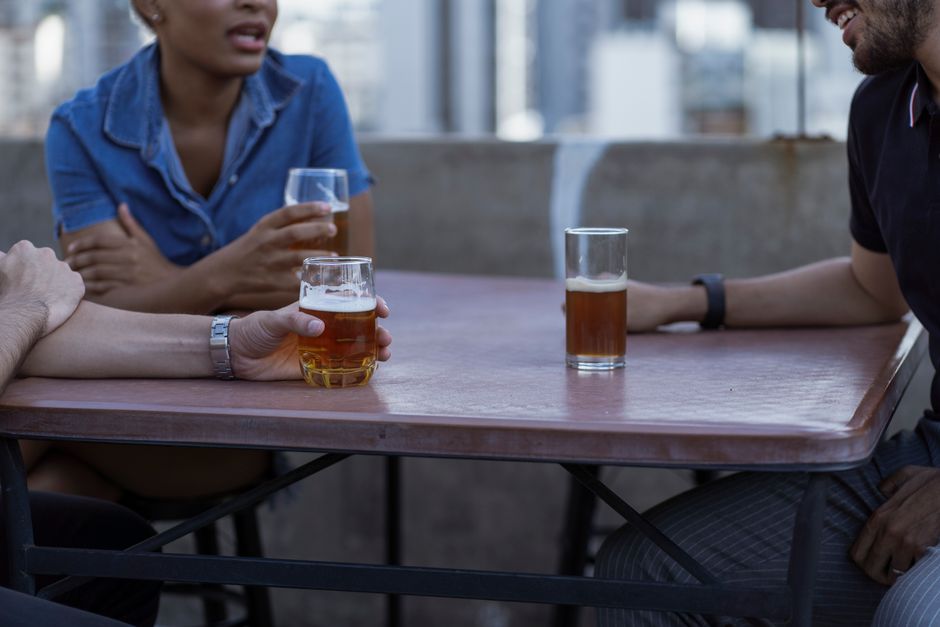
Alcohol can cause inflammation throughout your body, from your liver to your gut. The most effective way to reduce this inflammation is to stop drinking and give your body time to recover. While there is no quick fix or supplement that instantly reverses alcohol-induced inflammation, the body has a remarkable ability to heal once alcohol is removed. Recovery timelines vary based on how much and how long you have been drinking, but noticeable improvements often begin within days to a few weeks of abstinence.
What Does Alcohol Inflammation Actually Do to Your Body?
When you drink alcohol, your body treats it as a toxin. The liver works hard to break it down, and this process creates harmful byproducts that trigger an immune response. This response is inflammation. It is your body’s way of fighting what it sees as an injury or threat.
Short-term inflammation after a single drinking session is common. It contributes to the flushed face, headache, and fatigue you might feel the next day. Long-term inflammation is more serious. Chronic drinking keeps the immune system constantly active, which can damage tissues over time.
The liver is the main target. Heavy drinking can lead to alcoholic fatty liver disease, which then progresses to inflammation of the liver, a condition called alcoholic hepatitis. If drinking continues, this can lead to scarring, known as cirrhosis. This is a serious and potentially life-threatening condition.
Alcohol also inflames the gut lining. It disrupts the balance of good bacteria in your digestive tract and can increase intestinal permeability, sometimes called “leaky gut.” This allows toxins to enter your bloodstream more easily, which triggers inflammation in other parts of the body.
How Long Does It Take for Inflammation to Go Down After Quitting?
There is no single timeline that fits everyone. The speed of recovery depends on your age, overall health, how long you have been drinking heavily, and whether you have existing health conditions.
For many people, some markers of inflammation begin to drop within days of stopping alcohol. The liver is a resilient organ. If you have fatty liver but not yet developed significant scarring, the fat can start to clear within a few weeks of abstinence. Some research shows that liver fat reduces noticeably after just two to four weeks without alcohol.
Gut inflammation also improves relatively quickly. The lining of the gut repairs itself rapidly, and the balance of bacteria can start to shift back toward normal within a few weeks. However, if you have been drinking heavily for years, full recovery of gut health may take several months.
For people with more advanced liver disease, recovery takes longer. If you have alcoholic hepatitis, it can take months to recover, and some damage may be permanent. This is why seeking medical advice early is so important.
How to Get Rid of Inflammation from Alcohol: What Experts Recommend
The single most effective step is to stop drinking completely. No diet, supplement, or medication can outpace the damage caused by continued alcohol consumption. If you are struggling to stop, talk to a doctor. Withdrawal can be dangerous for heavy drinkers, and medical supervision is sometimes necessary.
After you stop, focus on supporting your body’s natural healing processes. Drink plenty of water. Alcohol is a diuretic, meaning it dehydrates you. Proper hydration supports every organ system, including the liver and kidneys, which are responsible for clearing waste products.
Eat a balanced diet. There is no “anti-inflammatory diet” that cures liver damage, but good nutrition gives your body the building blocks it needs to repair itself. Focus on whole foods, lean proteins, fruits, vegetables, and healthy fats. Avoid processed foods and excess sugar, which can add to the inflammatory load.
Sleep is critical. Your body does most of its repair work while you sleep. Poor sleep increases inflammatory markers. Aim for seven to nine hours of quality sleep per night.
Regular exercise helps too. Moderate physical activity reduces chronic inflammation. It also improves mood and sleep quality, which supports your overall recovery. Start slowly if you are not used to exercising.



Can Supplements or Medications Help Reduce Alcohol Inflammation?
You will see many products marketed as liver cleanses or anti-inflammatory supplements. The evidence for most of these is weak. Be cautious about anything that promises to repair liver damage quickly.
Some research has looked at specific compounds. For example, milk thistle contains silymarin, which has been studied for liver disease. Some studies suggest it may have a mild anti-inflammatory effect, but the results are mixed. No large, high-quality trials have confirmed that it reverses alcohol-related liver damage.
Vitamin E and other antioxidants have also been studied. The theory is that alcohol creates oxidative stress, and antioxidants might counteract it. However, clinical trials have not shown clear benefit, and high doses of some vitamins can be harmful.
There is no supplement that has been proven to cure or reverse liver inflammation from alcohol. If you choose to take supplements, tell your doctor. Some supplements can interact with medications or cause additional liver stress, especially in high doses.
Your doctor may prescribe medications in certain situations. For example, corticosteroids are sometimes used for severe alcoholic hepatitis. These are only used in specific cases under close medical supervision. They are not a general treatment for alcohol inflammation.
What Are the Warning Signs That You Need Medical Help?
Mild inflammation after a night of drinking is not a medical emergency. But some symptoms require immediate attention. Do not ignore these.
Seek medical care if you experience yellowing of your skin or the whites of your eyes, which is called jaundice. This is a sign that your liver is struggling to process waste products. Other warning signs include severe abdominal pain or swelling, especially in the upper right side of your abdomen.
Dark urine, pale stools, and unusual bruising or bleeding can also indicate liver problems. Confusion, drowsiness, or changes in personality are serious signs that toxins may be affecting your brain. This is a medical emergency.
If you are a heavy drinker and want to stop, talk to a doctor before you quit. Alcohol withdrawal can cause seizures, hallucinations, and dangerously high heart rate. Medical supervision makes withdrawal safer and more comfortable.
Does the Type of Alcohol Matter?
Some people wonder if red wine is better than beer or spirits. The idea that red wine is heart-healthy comes from observational studies, but the evidence is not strong. The anti-inflammatory compounds in red wine, such as resveratrol, are present in very small amounts. You would need to drink far more than is safe to get a meaningful dose.
The main driver of inflammation is the alcohol itself, not the drink it comes from. Ethanol is ethanol, whether it is in wine, beer, or spirits. The safest amount of alcohol for avoiding inflammation is none. The more you drink, the higher your risk.
Some research suggests that binge drinking, defined as four or more drinks in a short period for women and five or more for men, causes more inflammation than moderate drinking spread out over time. But even moderate drinking is not risk-free.
Can You Reverse Liver Damage from Alcohol?
It depends on how much damage has already occurred. The liver is one of the few organs that can regenerate. If you have fatty liver or mild inflammation, stopping alcohol can allow the liver to heal substantially. Some research indicates that liver fat can decrease significantly within weeks of abstinence.
Once fibrosis or cirrhosis has developed, the damage is not fully reversible. Scar tissue does not disappear. However, stopping alcohol can stop the progression and prevent further damage. This is why early intervention is so important.
Your doctor can order blood tests to check your liver enzymes. These tests measure markers of liver inflammation and damage. If your levels are high, they should come down after you stop drinking. Your doctor may also recommend imaging tests, such as an ultrasound, to look at the structure of your liver.
Frequently Asked Questions
How long does alcohol inflammation last after quitting?
Some markers of inflammation can improve within days to a few weeks of stopping alcohol. Full recovery of the gut lining and liver can take several months, and some damage may be permanent.
What is the fastest way to reduce inflammation from alcohol?
Stopping drinking completely is the fastest and most effective step. Drinking water, eating whole foods, sleeping well, and moderate exercise support the body’s natural recovery.
Does drinking water help with alcohol inflammation?
Water helps with dehydration caused by alcohol, but it does not directly reduce inflammation. Proper hydration supports the liver and kidneys as they clear waste products, which assists overall recovery.
Can you reverse liver inflammation caused by alcohol?
Fatty liver and mild inflammation can often improve significantly with abstinence. Once scarring or cirrhosis has developed, the damage is not fully reversible, but stopping alcohol prevents further progression.
