
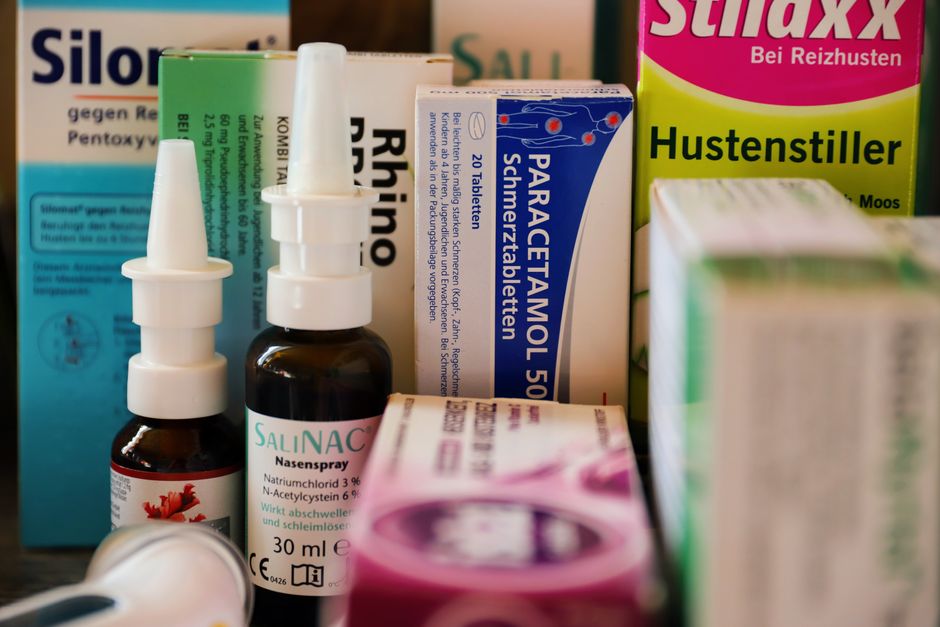
Nasal inflammation makes it hard to breathe, sleep, and focus. The most effective way to decrease nasal inflammation is to identify and remove the trigger, then use a saline rinse and a steroid nasal spray. These two steps are the foundation of what ear, nose, and throat specialists recommend for most people.
What Causes Nasal Inflammation in the First Place?
The inside of your nose is lined with soft tissue called the nasal mucosa. When this tissue becomes irritated, it swells and produces extra mucus. That is inflammation. It narrows the airway, which is why you feel congested.
Common triggers include allergies to pollen, dust mites, or pet dander. Viral infections like the common cold also cause it. So do irritants like cigarette smoke, strong smells, and dry air. Some people have a condition called non-allergic rhinitis, where the nose reacts to temperature changes or humidity shifts without an allergic cause.
The underlying cause matters. Treating a cold with allergy medication will not work well. Treating allergies with decongestants alone may provide short-term relief but can make things worse over time.
How to Decrease Nasal Inflammation with Saline Rinses
Saline rinses are one of the most studied and safest ways to reduce nasal inflammation. A saline rinse is simply salt water that you pour or squeeze through one nostril and let drain out the other. It works by flushing out mucus, allergens, and irritants that keep the nasal lining inflamed.
You can buy pre-mixed saline rinse kits at most pharmacies. You can also make your own using distilled or boiled water, non-iodized salt, and baking soda. Do not use tap water unless it has been boiled and cooled. Tap water can contain organisms that are dangerous if they get deep into the nasal passages.
Use the rinse once or twice a day. Many specialists recommend rinsing daily during allergy season or whenever you feel congested. It is safe for long-term use, which is a major advantage over many other treatments.
One important note: saline rinses help clear the nose, but they do not shrink swollen tissue directly. The benefit comes from removing the irritants that drive the inflammation. For that reason, rinsing is often paired with another treatment, not used alone.
Steroid Nasal Sprays Are the Gold Standard
If you need to decrease nasal inflammation consistently, steroid nasal sprays are the most effective option available. They are also called intranasal corticosteroids. Common examples include fluticasone, budesonide, and triamcinolone. Several are available over the counter in the United States.
These sprays work by reducing the immune response inside the nasal lining. They calm the swelling directly, which opens the airway and reduces mucus production. Unlike decongestant sprays, they do not cause rebound congestion when used properly.
They do not work instantly. Most people notice improvement within a few days, but full benefit can take one to two weeks of daily use. The key is consistency. Using a steroid spray once a week will not control inflammation. It needs to be used daily, even when you feel okay.
There is a technique issue that many people get wrong. The spray must be aimed away from the center of the nose. If you spray directly onto the septum, the middle wall of the nose, it can cause irritation and bleeding. Aim the nozzle toward the outer corner of the eye on the same side. This simple adjustment makes a real difference.





What about Decongestant Sprays and Oral Medications?
Decongestant sprays like oxymetazoline work quickly. They shrink blood vessels in the nose, which reduces swelling within minutes. But they are not meant for long-term use. Using them for more than three consecutive days can lead to rebound congestion. The nose becomes dependent on the spray, and stopping it makes the congestion worse than before.
Oral decongestants like pseudoephedrine also shrink blood vessels, but they affect the whole body. They can raise blood pressure and cause jitteriness. They are reasonable for short-term use, such as during a cold, but they are not a good daily solution for chronic nasal inflammation.
Antihistamines help only if allergies are driving the inflammation. They block histamine, a chemical your body releases during an allergic reaction. If your nasal inflammation is not allergic, antihistamines will not help much. Some antihistamines also dry out the nose, which can make thick mucus harder to clear.
For people with moderate to severe allergies, a combination approach often works best. That might include a daily steroid spray, an oral antihistamine during peak allergy season, and saline rinses as needed.
Lifestyle Changes That Reduce Nasal Inflammation
Several everyday habits can lower the level of irritation your nose faces. These are not cures, but they reduce the workload on your nasal tissues.
Humidity matters. Dry air dries out the nasal lining, which makes it more vulnerable to irritation. A cool-mist humidifier in your bedroom can help, especially in winter. The goal is to keep indoor humidity around 30 to 50 percent. Too much humidity can promote mold and dust mites, so do not overdo it.
Allergen control is another piece. Washing bedding in hot water weekly reduces dust mites. Keeping pets out of the bedroom limits dander exposure. Using a HEPA air filter in the bedroom can remove airborne particles. These steps do not eliminate allergies, but they lower the daily allergen load.
Smoke is a major irritant. If you smoke, stopping is one of the most effective things you can do for nasal health. Secondhand smoke has the same effect. Even if you have no allergies, smoke alone can keep the nasal lining inflamed.
Diet is sometimes mentioned in relation to inflammation. Some research suggests that a diet high in fruits, vegetables, and omega-3 fatty acids may reduce overall inflammation in the body. However, there is no strong evidence that any specific food or supplement directly decreases nasal inflammation. Do not rely on diet changes alone to treat a congested nose.
When Nasal Inflammation Does Not Improve
If you have used saline rinses and a steroid spray daily for several weeks and your nose is still inflamed, it is time to see a doctor. Persistent nasal inflammation can be a sign of something beyond simple allergies or a cold.
Nasal polyps are soft, painless growths inside the nasal passages. They are not cancer, but they can block airflow and cause persistent congestion. Polyps often require prescription treatments or surgery. A doctor can see them with a small camera during an office visit.
A deviated septum can also cause ongoing congestion. The septum is the wall between the two nostrils. If it is bent, it can narrow one side of the nose. That narrowing can make normal swelling feel much worse. Surgery is the only way to correct a deviated septum.
Chronic sinusitis is another possibility. This is inflammation of the sinuses that lasts twelve weeks or longer. It can cause facial pressure, thick nasal discharge, and a reduced sense of smell. Treatment may include longer courses of prescription steroids, antibiotics if a bacterial infection is present, or sinus surgery in severe cases.
Do not assume persistent congestion is just allergies. If you have pain, fever, or discharge that is yellow or green and lasts more than ten days, seek medical attention.
Natural Remedies and What the Evidence Says
Many people ask about natural options. Some have evidence behind them. Many do not.
Steam inhalation, such as breathing in steam from a bowl of hot water, can temporarily soften mucus and make it easier to blow out. It does not reduce inflammation itself. The relief is brief and mostly about comfort.
Spicy foods can make the nose run. Capsaicin, the compound that makes chili peppers hot, can stimulate nasal secretions. Some research has looked at capsaicin for non-allergic rhinitis, but it is not a standard treatment and can burn if used incorrectly.
Neti pots are a form of saline rinse. They work the same way as squeeze bottles. The key is to use the correct water and salt ratio, and to clean the pot thoroughly after each use.
Essential oils like eucalyptus or peppermint are often marketed for congestion. They may create a cooling sensation that makes breathing feel easier. No strong clinical evidence shows they reduce nasal inflammation. Some people are sensitive to strong scents, and these oils can actually worsen symptoms in those individuals.
Supplements are a weak area of evidence. Some studies have explored quercetin, butterbur, and vitamin D for allergic rhinitis. Results are mixed, and none are considered standard treatment by allergy specialists. Butterbur has raised safety concerns because some forms can be toxic to the liver. Do not take herbal supplements for nasal inflammation without discussing them with a doctor.
How Long Does It Take to See Improvement?
With the right treatment, improvement is usually noticeable within a few days. Saline rinses can provide immediate comfort by clearing the nose. Steroid sprays take longer, often three to seven days for visible improvement and up to two weeks for full effect.
If you have allergies, the timeline depends on exposure. If you are allergic to pollen and pollen season is at its peak, your nose may stay inflamed no matter what you do until the season ends. That is normal. It does not mean the treatment is failing.
If you have a cold, nasal inflammation usually resolves on its own within seven to ten days. Treatment during a cold is about managing symptoms, not speeding up recovery. There is no cure for the common cold.
For chronic conditions like nasal polyps or chronic sinusitis, treatment is often about control rather than cure. You may need to use a steroid spray indefinitely to keep inflammation down. That is a realistic expectation, not a failure.
Frequently Asked Questions
How quickly do steroid nasal sprays reduce inflammation?
Most people notice improvement within three to seven days of daily use, with full benefit after about two weeks. They must be used every day to maintain the effect.
Is it safe to use a saline rinse every day?
Yes, daily saline rinses are safe for long-term use in most people. Use distilled, sterile, or previously boiled water to avoid introducing harmful organisms into the nasal passages.
Can nasal inflammation go away without treatment?
Yes, if the cause is a viral cold, inflammation usually resolves on its own within seven to ten days. Allergic or chronic inflammation typically requires ongoing management rather than waiting for it to disappear.
What is the difference between a steroid spray and a decongestant spray?
A steroid spray reduces inflammation over time and is safe for daily long-term use. A decongestant spray shrinks blood vessels for fast relief but should not be used for more than three days because it can cause rebound congestion.
