
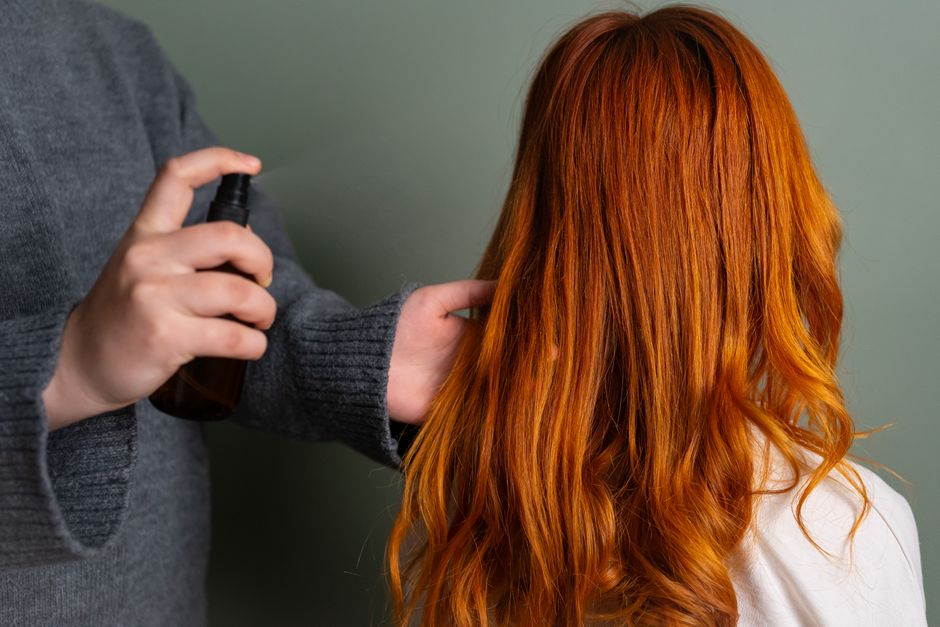
Hair color stains on skin happen because dye molecules bind to the outer layer of your skin, not just sit on top of it. The fastest way to remove a fresh stain is to act within the first few minutes using a cotton ball soaked in rubbing alcohol, acetone, or a clarifying shampoo. For stains that have already set, oil-based methods and gentle exfoliation work better than harsh scrubbing. Most stains fade on their own within one to three days as your skin naturally sheds its outer cells.
Why Does Hair Dye Stain Skin So Stubbornly?
Permanent hair dye works through a chemical reaction. It contains small dye molecules that penetrate the hair shaft, and a developer (usually hydrogen peroxide) that opens the hair cuticle so those molecules can enter. When dye touches your skin, some of those same molecules slip into the upper layers of the epidermis, which is the outermost layer of skin.
Once inside, the dye molecules undergo a process called oxidation. They link together and become larger, which traps them in the skin. This is why a stain that looks light at first can darken over the next few hours. It is also why soap and water alone often fail. You are not removing something sitting on the surface. You are trying to lift something that has bonded within the top layer of skin.
Darker shades — black, dark brown, and vibrant reds — tend to stain more visibly because they contain higher concentrations of dye pigment. Semi-permanent and demi-permanent dyes usually stain less deeply than permanent formulas because their molecules are larger and do not fully penetrate the same way.
How To Get Rid Of Hair Color Stain On Skin Fast
Speed matters more than anything else. The sooner you treat a stain, the easier it comes off. Within the first five minutes, most stains can be removed almost completely.
Here is what works, roughly in order of how aggressive it is:
- Rubbing alcohol. Soak a cotton ball and press it against the stain for a few seconds, then wipe. Alcohol dissolves many dye compounds effectively.
- Acetone nail polish remover. Works similarly and is often slightly stronger. Avoid it if you have sensitive or broken skin.
- Clarifying shampoo. Designed to strip buildup from hair, it can also lift fresh dye from skin. Lather, let it sit for a minute, then rinse.
- Warm soapy water with a washcloth. A gentle first step before trying anything stronger.
A word of caution: alcohol and acetone strip your skin’s natural oils. If you use them, follow up with a moisturizer. And never scrub hard enough to break the skin. Broken skin plus hair dye chemicals is a recipe for irritation, not a cleaner stain.
What Removes Set-In Hair Dye Stains From Skin?
Once a stain has been on your skin for several hours, the dye has fully oxidized and bonded. Surface solvents become less effective. This is where oil-based methods and gentle exfoliation come in.
Oils work because many dye molecules are at least partly oil-soluble, and oil can help lift them from the skin’s upper layers. Common household options include:
- Olive oil or coconut oil, massaged into the stain for a minute or two
- Baby oil or mineral oil
- Petroleum jelly, left on for several minutes before wiping
After applying oil, wipe with a warm, damp washcloth. You can repeat this a few times. Some people find that a paste made from baking soda and water helps gently exfoliate the stained skin. The mild abrasion removes dead skin cells that hold the dye.
Toothpaste is a popular home remedy, and it can help — but the evidence is anecdotal, not clinical. If you try it, use plain white paste, not a gel, and avoid it on sensitive areas. The same goes for lemon juice, which is acidic and can irritate skin, especially if you then expose that skin to sunlight.





Does Hair Dye Stain Come Off On Its Own?
Yes. In most cases, a hair dye stain will fade and disappear within one to three days without any treatment at all. Your skin constantly renews itself, shedding old cells from the surface. As those stained cells slough off, the color goes with them.
How long it takes depends on a few things:
- How deeply the dye penetrated your skin
- How dark the dye was
- How quickly your skin naturally turns over
- How often you wash and exfoliate the area
The stain may look worse before it looks better. Because oxidation continues after exposure, a stain that seems faint at first can darken over several hours. Do not panic if it looks stronger the next morning. That is normal and expected.
If a stain is still clearly visible after about a week with no fading, that is unusual. It may be worth checking whether what you are seeing is actually a stain or something else, like irritation or a mild reaction to the dye.
What Should You Not Do To Remove Hair Dye From Skin?
Some common remedies do more harm than good. Bleach is the clearest example. Never use household bleach on your skin to remove a dye stain. It can cause serious chemical burns and does not reliably remove the dye anyway.
Other things to avoid:
- Harsh scrubbing. Abrasion that breaks the skin opens the door to infection and lets dye chemicals enter more deeply.
- Nail polish remover on large areas or broken skin. Acetone is fine for a small spot on intact skin. It is not meant for broad use.
- Strong acids like undiluted lemon juice left on for long periods. This can cause irritation and increase sun sensitivity.
- Hair dye remover products meant for hair. These are formulated for hair, not skin, and can irritate or burn.
If your skin becomes red, swollen, itchy, or painful after dye contact, stop trying to remove the stain and treat the irritation instead. That kind of reaction is not a stain problem. It is a skin problem, and it needs different care.
How Do You Prevent Hair Dye From Staining Skin?
Prevention is far easier than removal. A few simple steps before you dye can spare you most of this trouble.
Apply a barrier before the dye goes on. Petroleum jelly or a thick moisturizer along your hairline, ears, and neck creates a physical layer that dye struggles to cross. Many stylists do this as a standard step.
Wear gloves, and keep a damp towel nearby to wipe up drips immediately. The faster you catch a drip, the less it bonds. If you are dyeing at home, work in sections and avoid over-saturating the roots, which is where most drips come from.
Consider a dye formula designed to be gentler on skin. Some products are marketed as low-stain, though results vary and no formula is completely stain-free. If you have had strong reactions to dye in the past, a patch test on a small area of skin before full application is a reasonable precaution.
When Should You See A Doctor?
A hair dye stain itself is not a medical concern. It is cosmetic and temporary. But reactions to hair dye can be. Seek medical attention if you notice:
- Swelling of the face, eyelids, lips, or scalp
- Blistering, oozing, or open sores where dye touched skin
- Widespread redness or a rash that spreads beyond the dyed area
- Difficulty breathing or any sign of a severe allergic reaction
Severe allergic reactions to hair dye, including to a compound called PPD (paraphenylenediamine) found in many permanent dyes, are well documented. Difficulty breathing or facial swelling is a medical emergency. Call for help right away.
For milder irritation — redness, itching, or a burning feeling that does not improve — a doctor or pharmacist can advise on treatment. Do not keep applying removal methods to skin that is already reacting.
Frequently Asked Questions
How do you get hair dye off your skin quickly?
Use rubbing alcohol or acetone on a cotton ball within the first few minutes after contact. Press it against the stain briefly, then wipe. Follow with a moisturizer since these products dry out skin.
Does toothpaste really remove hair dye from skin?
Toothpaste can help lift a fresh stain because of its mild abrasive texture, but the evidence for it is anecdotal rather than clinical. It is a reasonable home option for intact skin, not a guaranteed fix.
How long does hair dye stain last on skin?
Most stains fade and disappear within one to three days as your skin naturally sheds its outer cells. Darker dyes and deeper penetration can extend that timeline slightly.
Is it safe to use nail polish remover on skin?
Acetone-based nail polish remover is generally fine for a small stain on intact skin. Avoid it on broken, sensitive, or large areas, and do not use it repeatedly, as it strips skin oils.
