
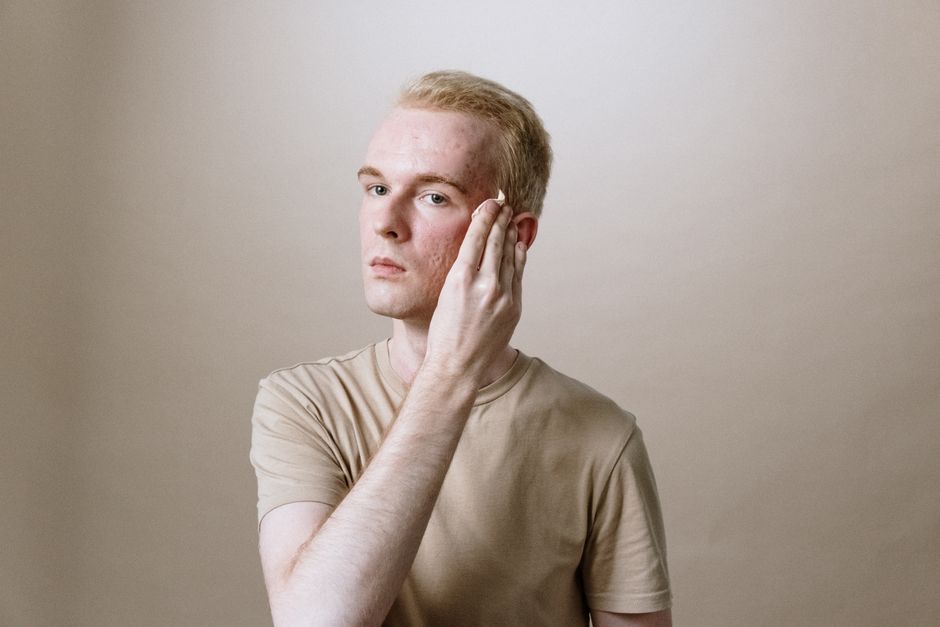
Fungal acne looks like acne, but it is not acne. It is a yeast infection of the hair follicles, and treating it like regular acne often makes it worse. To get rid of fungal acne on your face naturally, you need to stop feeding the yeast, use an antifungal wash, and avoid heavy moisturizers. The most effective natural approach combines a dandruff shampoo containing ketoconazole or zinc pyrithione with a strict routine that keeps your skin dry and free of oils that feed the yeast.
What Is Fungal Acne and Why Is It Different From Regular Acne?
Fungal acne is a misleading name. The medical term is pityrosporum folliculitis or Malassezia folliculitis. It happens when a yeast called Malassezia, which lives naturally on everyone’s skin, grows out of control and infects the hair follicles.
Regular acne involves bacteria and clogged pores. Fungal acne involves yeast and inflamed hair follicles. This distinction matters because the treatments are completely different. Antibacterial acne products like benzoyl peroxide and salicylic acid do nothing for yeast. In fact, some acne treatments that strip the skin can make fungal acne worse by disrupting the skin’s natural balance.
The yeast feeds on sebum, the natural oil your skin produces. When you use heavy creams, sweat heavily, or live in a humid climate, the yeast multiplies. The result is a cluster of small, itchy bumps that look like acne but behave differently.
How Can You Tell If You Have Fungal Acne?
Fungal acne has distinct features that set it apart from bacterial acne. The bumps are usually uniform in size, small, and appear in clusters. They often show up on the forehead, temples, chest, and upper back — areas with many oil glands.
Itching is a key clue. Bacterial acne rarely itches intensely. Fungal acne often does. The bumps also tend to be monomorphic, meaning they all look the same size and shape. Bacterial acne typically has a mix of blackheads, whiteheads, and larger cysts.
One practical test is to try a standard acne treatment. If you use benzoyl peroxide or salicylic acid for a week and see no improvement — or if your skin gets worse — that is a strong signal the problem is fungal. A dermatologist can confirm the diagnosis by examining the skin under a microscope or taking a skin scraping.
What Causes Fungal Acne to Flare Up on the Face?
Malassezia yeast is a normal part of your skin’s microbiome. Everyone carries it. Problems start when conditions allow it to overgrow. Several factors create those conditions.
Excess oil is the primary driver. The yeast feeds on sebum. People with naturally oily skin have a higher risk. Hormonal changes that increase oil production can also trigger flares.
Heat and humidity play a major role. Sweating creates a warm, moist environment where yeast thrives. Wearing hats, helmets, or face masks that trap sweat against the skin increases the risk. This is why fungal acne is more common in summer and in tropical climates.
Skincare products can feed the yeast. Many moisturizers, sunscreens, and makeup contain oils and fatty acids that Malassezia consumes. Products with ingredients like stearic acid, oleic acid, and palmitic acid provide a food source for the yeast. Even some “natural” oils like coconut oil and argan oil can worsen fungal acne.
Antibiotic use is another trigger. Antibiotics kill bacteria, including the beneficial bacteria that keep yeast in check. When those bacteria die off, yeast can take over.




How To Get Rid of Fungal Acne on Your Face Naturally: Step-by-Step
The natural approach to fungal acne focuses on three things: killing the yeast, removing its food source, and keeping the skin dry. Consistency matters more than any single product.
Use an antifungal cleanser. The most effective natural-adjacent option is a dandruff shampoo containing ketoconazole 1% or zinc pyrithione. These are not prescription drugs — they are sold over the counter as dandruff treatments. Ketoconazole is an antifungal medication. Zinc pyrithione is an antifungal and antibacterial agent. Both are effective against Malassezia yeast.
Use it as a face wash two to three times per week. Apply it to damp skin, leave it on for two to three minutes, then rinse thoroughly. Leave-on time matters. A quick rinse does not give the active ingredient time to work.
Switch to a minimal skincare routine. Stop using heavy creams, oils, and occlusive moisturizers while you treat the infection. Use only products that are oil-free and non-comedogenic. Check ingredient lists for the fatty acids yeast feeds on. If a product contains oils, it may be feeding the infection.
Keep your face dry. After washing, pat your face dry with a clean towel. Do not rub. If you sweat, rinse your face with water and dry it as soon as possible. Change pillowcases frequently. Sweat and oil accumulate on fabric and transfer back to your skin.
Consider tea tree oil with caution. Some research suggests tea tree oil has antifungal properties. A diluted solution — one to two drops in a carrier oil or a gentle cleanser — may help. But tea tree oil is a common irritant and can cause contact dermatitis. Do not apply it undiluted to your face. If it stings or burns, stop using it.
Wash your hair more often. Malassezia lives on the scalp too. If you have dandruff or an oily scalp, the yeast can spread to your forehead and hairline. Washing your hair with a ketoconazole shampoo can help reduce the yeast population on your face.
What to Avoid While Treating Fungal Acne
Certain products and habits will sabotage your treatment. Avoiding them is as important as using the right products.
Avoid all oil-based skincare products. This includes coconut oil, jojoba oil, argan oil, and most “natural” moisturizers. These oils feed Malassezia directly. Even if they feel soothing, they are providing food for the yeast.
Avoid heavy sunscreens. Many sunscreens contain oils and emollients that feed the yeast. Look for gel-based or mineral sunscreens with zinc oxide or titanium dioxide. These are less likely to worsen fungal acne.
Avoid over-washing. Washing your face more than twice a day strips the skin and can damage the barrier. A damaged skin barrier makes it easier for yeast to penetrate deeper. Stick to two washes per day, plus a rinse after heavy sweating.
Avoid picking or squeezing the bumps. This can spread the infection and cause scarring. Fungal acne bumps are inflamed hair follicles. Squeezing them does not release a plug like a blackhead. It just damages the skin.
Avoid steroid creams. Hydrocortisone and other topical steroids can reduce inflammation temporarily, but they also suppress the local immune response and can make fungal infections worse over time. Do not use steroid creams on your face without a doctor’s supervision.
How Long Does It Take To Clear Fungal Acne?
With consistent treatment, most people see improvement within one to two weeks. Complete clearance typically takes three to four weeks. The yeast has a life cycle that takes time to break.
If you see no improvement after two weeks of using an antifungal cleanser and removing oil-based products from your routine, see a dermatologist. You may need a prescription-strength antifungal. Oral antifungal medications like fluconazole are sometimes necessary for stubborn cases.
Relapses are common. The yeast never fully disappears — it is part of your normal skin flora. The goal is to keep it at a manageable level, not to eliminate it permanently. Once your skin clears, you may need to use the antifungal cleanser once a week as a maintenance step.
Is the Natural Approach Enough?
For mild to moderate cases, yes. The combination of an over-the-counter antifungal wash and a skincare routine that stops feeding the yeast is often sufficient. This approach is supported by the same active ingredients used in medical treatments — ketoconazole and zinc pyrithione are clinically proven antifungals.
For severe cases, or cases that do not respond after several weeks, medical treatment may be necessary. Prescription options include stronger topical antifungals and oral medications. These are safe and effective when used under medical supervision.
The honest position is that “natural” treatments alone — essential oils, herbal remedies, dietary changes — have limited evidence behind them. The effective natural-adjacent approach uses proven antifungal ingredients found in over-the-counter products and pairs them with lifestyle changes that reduce yeast growth.
Frequently Asked Questions
Can I use apple cider vinegar on fungal acne?
Apple cider vinegar has mild antifungal properties, but no clinical evidence confirms it treats fungal acne effectively.
It can also irritate and burn the skin, especially at full strength, which can make the condition worse.
Does diet affect fungal acne?
There is no strong clinical evidence that specific foods cause or cure fungal acne.
Some research suggests that diets high in sugar and refined carbohydrates may promote yeast growth, but this connection is not well established for skin infections.
Can I wear makeup while treating fungal acne?
Most makeup contains oils and emollients that feed Malassezia yeast, so it is best to stop wearing foundation and heavy face makeup during treatment.
If you must wear makeup, choose powder-based mineral products and remove them as soon as possible.
Is fungal acne contagious?
No, fungal acne is not contagious.
Malassezia yeast is already present on everyone’s skin, so you cannot catch it from another person.
