
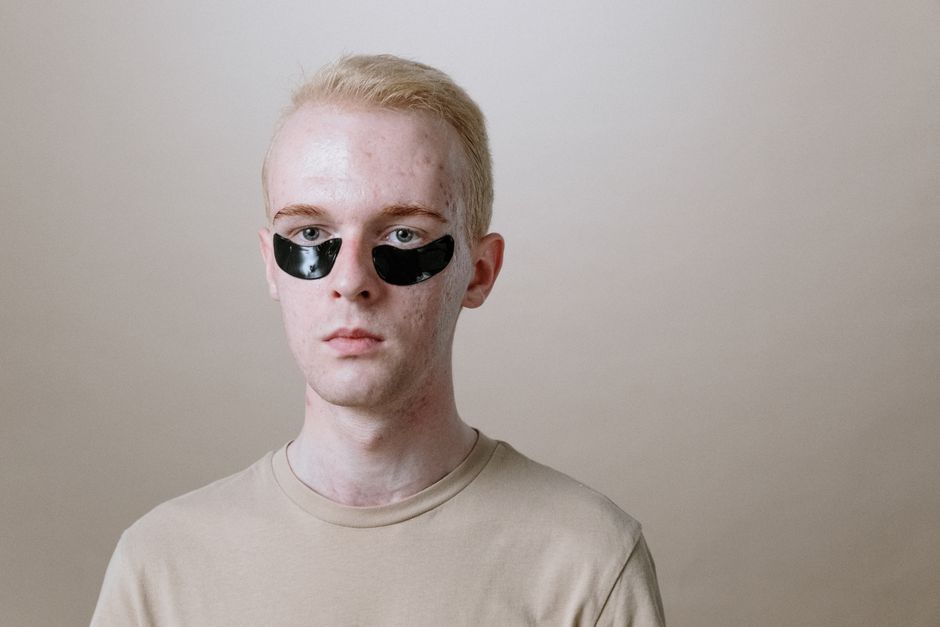
An under-skin pimple — often called a blind pimple — is a swollen, tender bump with no visible head. It forms when a pore becomes blocked deep below the surface and inflammation builds up. The most effective approach is to treat it early and consistently with ingredients that penetrate the skin, while resisting the urge to pick or squeeze.
What Causes an Under-Skin Pimple to Form?
Under-skin pimples start the same way all pimples do. Dead skin cells and excess oil, called sebum, mix together and block a hair follicle. When that blockage happens deep in the skin rather than near the surface, you get a firm, painful bump with no visible whitehead.
The body then sends white blood cells to the area, which causes redness, swelling, and tenderness. This is why blind pimples feel sore to the touch. Hormonal shifts are a common trigger, especially around the jawline and chin. Stress and certain skincare products can also make them more likely.
One key point to understand: the inflammation you feel is your immune system responding to trapped material. The goal of treatment is to reduce that inflammation and help the blockage clear without causing further damage to the skin.
How To Get Rid Of Under Skin Pimples What Works — The Fastest Methods
The fastest way to shrink a blind pimple is to combine two actions: reduce inflammation and speed up cell turnover. Both need to happen for the bump to flatten.
Ice can help in the first 24 to 48 hours. Wrap an ice cube in a clean cloth and hold it on the spot for 5 to 10 minutes at a time. This constricts blood vessels and reduces swelling. It will not remove the blockage, but it can make the pimple less painful and less visible.
Benzoyl peroxide is one of the most reliable treatments. It kills the bacteria that contribute to acne and helps clear the blocked pore. A 2.5% or 5% gel applied once daily is often enough. Higher strengths do not work faster and are more likely to cause irritation and dryness.
Salicylic acid is another option. It works by dissolving the dead skin cells that clog the pore. It is less irritating than benzoyl peroxide for many people, but it may take longer to show results on deep pimples. Look for a leave-on product rather than a wash, so the ingredient stays on the skin long enough to work.
Why You Should Never Squeeze a Blind Pimple
Squeezing an under-skin pimple is the single worst thing you can do. There is no opening for the contents to escape, so pressure just pushes the material deeper into the skin.
This can rupture the follicle wall and spread bacteria and debris into the surrounding tissue. The result is more inflammation, a larger pimple, and a higher risk of permanent scarring or a dark spot that lingers for months.
If the pimple is extremely painful or does not respond to treatment after a week, a dermatologist can inject it with a diluted corticosteroid. This is a quick in-office procedure that significantly reduces inflammation. It is the most effective option for a single, stubborn deep pimple, but it is not something you can do at home.





Do Warm Compresses Actually Help?
Yes, but with an important caveat. A warm compress can help bring a deep pimple to a head, making it easier for a dermatologist to drain if needed. It does not make the pimple disappear.
Heat increases blood flow to the area, which can draw immune cells and fluid toward the blockage. This sometimes causes the pimple to form a visible whitehead over a few days. Once a head forms, the pimple is closer to the surface and can be treated more effectively with a spot treatment.
Use a clean washcloth soaked in warm — not hot — water. Apply it for 10 to 15 minutes once or twice daily. Stop if the area becomes more irritated. Some people find this helpful, but it is not a guaranteed solution for every blind pimple.
What Skincare Habits Prevent Under-Skin Pimples?
Prevention is more effective than treatment when it comes to deep pimples. The goal is to keep pores clear before blockages form.
Wash your face twice daily with a gentle cleanser. Over-washing strips the skin of natural oils and can trigger more oil production, which makes the problem worse. Choose a non-comedogenic moisturizer — one that does not block pores — even if your skin is oily. Well-hydrated skin sheds dead cells more easily.
If you get blind pimples regularly, consider a retinoid. Adapalene is available over the counter in a 0.1% gel. It works by normalizing the way skin cells shed, which prevents the clogs that cause pimples. It takes 8 to 12 weeks of consistent use to see full results, so it is not a quick fix. Start by applying it every other night to let your skin adjust.
Pay attention to your hair products and makeup. Ingredients in these products can migrate onto the skin and block pores, especially along the hairline and jaw. Check labels for non-comedogenic claims, and remove makeup completely before bed.
When To See a Dermatologist
Most under-skin pimples resolve on their own within one to two weeks. Some take longer, and a few become chronic or leave scars. You should see a dermatologist if you have pimples that are extremely painful, last longer than two weeks, or keep returning in the same spot.
You should also seek professional help if you have many deep pimples at once, or if you notice scarring or dark spots after they heal. A dermatologist can prescribe stronger treatments like oral antibiotics, spironolactone for hormonal acne, or isotretinoin for severe cases.
These are not first-line options. They are reserved for people who do not respond to topical treatments or who have significant acne. Your doctor will determine whether these are appropriate based on your specific situation.
Myths About Under-Skin Pimples You Should Ignore
Toothpaste is a common home remedy that does not work. It can dry out the surface of the skin, but it does not penetrate deep enough to affect the blockage. It can also cause contact dermatitis — red, irritated, peeling skin — that makes the pimple look worse.
Popping a pimple with a sterile needle is sometimes recommended online. This is risky. Without proper technique, you can push the infection deeper or introduce new bacteria. Even with a sterile needle, you cannot control how deep the blockage sits. Leave drainage to a professional.
Some people believe that drying out the skin prevents pimples. This is backward. When skin is dry, it produces more oil to compensate, which can lead to more clogged pores. Gentle cleansing and moisturizing are more effective than aggressive drying.
Frequently Asked Questions
How long does an under-skin pimple last?
Most under-skin pimples last one to two weeks. Treatment with benzoyl peroxide or salicylic acid can shorten that time, while squeezing can extend it.
Can ice reduce the size of a blind pimple?
Ice reduces swelling and pain in the first 48 hours. It will not remove the blockage, but it can make the pimple less noticeable temporarily.
Is it safe to pop an under-skin pimple with a needle?
No. There is no opening for the contents to escape, and piercing the skin can push debris deeper and cause scarring. A dermatologist can drain it safely if needed.
Does benzoyl peroxide work on deep pimples?
Yes. Benzoyl peroxide kills bacteria and helps clear blocked pores, making it one of the most effective over-the-counter options for under-skin pimples.
