
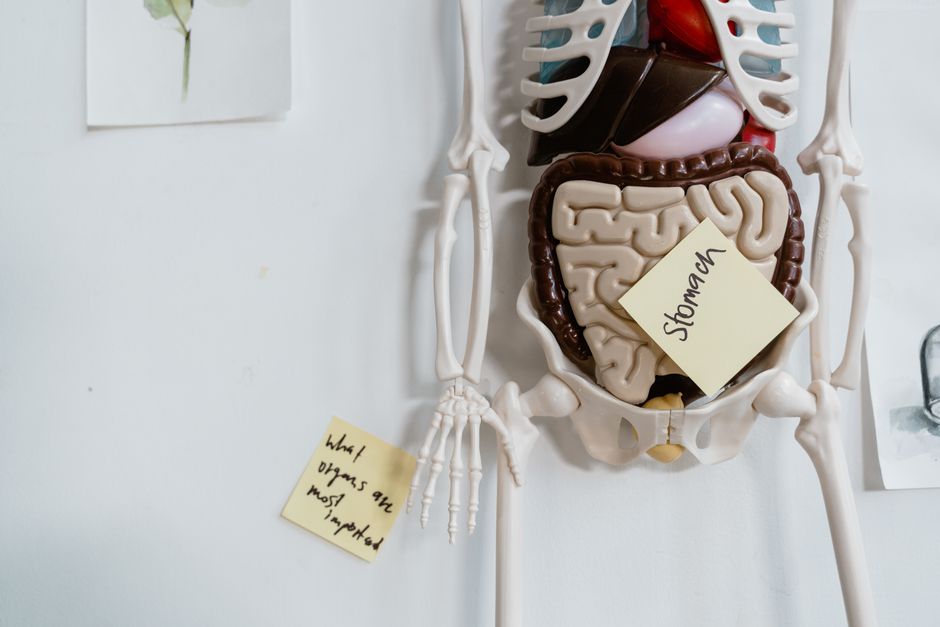
A distended stomach is that uncomfortable, tight, visibly swollen feeling in your belly that can make your waistband dig in and your clothes feel too small by evening. It is usually caused by gas, fluid, or slowed movement in the digestive tract, and it typically settles with changes to how and what you eat. For most people, the fix is not one magic food or pill — it is a handful of practical steps that reduce swallowed air, ease digestion, and address any underlying trigger.
What Actually Causes a Distended Stomach?
Distension and bloating are not the same thing, though people often use the words interchangeably. Bloating is the sensation of fullness or tightness. Distension is the measurable increase in abdominal girth — your belly actually looks bigger.
The most common driver is gas trapped in the intestines. Gas gets there two ways. You swallow air when you eat, drink, chew gum, or smoke. And your gut bacteria produce gas when they ferment food that was not fully digested in the small intestine.
Several other mechanisms can create the same look and feel:
- Slow gut transit — when food and gas move sluggishly, pressure builds up.
- Constipation — retained stool and gas distend the colon.
- Carbohydrate malabsorption — lactose, fructose, and certain sugars pull water into the gut and ferment.
- Fluid retention — from hormonal shifts, heart, liver, or kidney conditions.
- Abdominal wall changes — weakened core muscles can let the belly protrude.
Occasional distension after a large or high-fat meal is normal. Persistent or worsening distension is not, and it deserves a medical look.
How To Get Rid Of Distended Stomach Fast
When your belly is already swollen, a few measures can bring relief within hours. None of these treat a medical cause, but they address the gas and pressure that make you uncomfortable right now.
- Walk for 10 to 15 minutes. Gentle movement helps gas move through the digestive tract. This is one of the most reliable quick fixes.
- Try simethicone. This over-the-counter anti-gas agent breaks up trapped gas bubbles. Evidence for how well it works is mixed, but many people report relief and it is generally well tolerated.
- Apply a warm compress to your abdomen to relax tense muscles.
- Lie on your left side. This position can help trapped gas move along the colon.
- Drink water and skip carbonated drinks until the swelling eases.
- Loosen tight clothing so nothing presses on your abdomen.
If distension comes with severe pain, vomiting, no bowel movement, or a belly that is hard and tender, seek medical care right away. Those can signal a blockage or another urgent problem.
Which Foods and Habits Make Distension Worse?
What you eat and how you eat it both matter. The biggest culprit is often not a specific food but the way food is consumed — quickly, while distracted, or with a lot of air.
Habits that increase swallowed air:
- Eating fast or talking while eating
- Drinking through a straw
- Chewing gum
- Sucking on hard candy
- Smoking
- Drinking carbonated beverages
Foods that commonly trigger gas in sensitive people include beans, lentils, broccoli, cabbage, onions, and dairy. This does not mean these foods are unhealthy. Many are high in fiber and nutrients. The issue is how your gut handles them.
High-fat meals can also slow stomach emptying, which leaves you feeling full and distended longer. Alcohol and very salty meals can promote fluid retention, adding to the swollen look.




How Do You Tell Bloating From Something More Serious?
Most distension is temporary and harmless. But some patterns point to a condition that needs diagnosis and treatment.
See a doctor if you notice any of these:
- Distension that does not go away or keeps getting worse
- Unintended weight loss
- Blood in your stool or black, tarry stools
- Persistent vomiting
- Fever along with abdominal swelling
- Pain that is severe or wakes you at night
- Swelling that comes on suddenly, especially with leg swelling or shortness of breath
Certain conditions can cause ongoing distension. Irritable bowel syndrome is a common one. So are lactose intolerance, celiac disease, small intestinal bacterial overgrowth, and inflammatory bowel disease. In older adults, ascites — fluid in the abdomen from liver, heart, or kidney problems — can cause significant distension and requires prompt medical evaluation.
Ovarian cancer is a less common but serious cause of persistent bloating and distension, particularly when it is new, lasts more than a few weeks, or comes with pelvic pressure or urinary changes. This is not meant to alarm you. It is a reason not to ignore distension that does not resolve.
How Can Diet Changes Reduce Distension?
Diet changes work best when they target your specific trigger. A broad elimination diet is rarely necessary and can be hard to sustain.
Start with a simple food and symptom log for one to two weeks. Note what you eat and when you feel distended. Patterns often emerge.
If dairy seems to be the trigger, you may be lactose intolerant. Lactose-free milk or lactase enzyme supplements can help. If wheat is the suspect, do not cut it out on your own — celiac disease requires proper testing before you remove gluten, because going gluten-free first can make the test unreliable.
A low-FODMAP diet is one approach with reasonable evidence behind it, particularly for irritable bowel syndrome. FODMAPs are fermentable carbohydrates that gut bacteria break down quickly, producing gas. The diet has two phases: strict elimination, then a structured reintroduction to find your personal triggers. It is best done with a registered dietitian because it is restrictive and easy to do poorly.
Increasing fiber helps some people and worsens others. If constipation is part of your problem, slowly increasing fiber and fluids can reduce distension over time. Adding it too fast can make gas worse before it gets better.
Do Probiotics and Supplements Help?
The evidence for most digestive supplements is mixed, and marketing claims often run ahead of the science.
Some probiotic strains have shown benefit for bloating in certain groups, particularly people with irritable bowel syndrome. But results vary widely by strain, dose, and the person taking them. No single probiotic has been proven to resolve distension for everyone.
Peppermint oil capsules have some evidence for reducing IBS-related bloating and cramping. They can cause heartburn in some people. If you have reflux, ask a clinician before trying them.
Be cautious with enzyme blends, “gut cleanse” products, and detox teas. No clinical evidence currently confirms that these resolve distension, and some can cause diarrhea or electrolyte problems.
When Should You See a Doctor About a Distended Stomach?
Book an appointment if distension lasts more than a few weeks, keeps returning, or interferes with daily life. Also go if it comes with weight loss, changes in bowel habits that persist, or pain.
Your doctor may ask about your diet, medications, and history. They may check for lactose intolerance, celiac disease, or thyroid problems. Depending on findings, they might order blood tests, stool tests, or imaging.
Treatment depends on the cause. If no specific disease is found, the focus shifts to managing symptoms through diet, movement, and stress reduction. Stress genuinely affects gut function through the gut-brain connection, so it is not a throwaway suggestion.
Everyday Habits That Keep Your Belly Calmer
Small, consistent habits often do more than any single remedy.
- Eat slowly and chew thoroughly.
- Eat smaller meals more often instead of large ones.
- Stay hydrated, especially if you eat a lot of fiber.
- Move your body most days — even a daily walk helps.
- Limit carbonated drinks, gum, and straws.
- Manage stress, which directly affects digestion.
- Get enough sleep, since poor sleep can worsen gut symptoms.
None of these are dramatic. Together they often reduce how often and how badly you feel distended.
Frequently Asked Questions
How do I get rid of a distended stomach fast?
Walking for 10 to 15 minutes, lying on your left side, and using simethicone are common ways to ease trapped gas within hours. These relieve symptoms but do not treat an underlying cause.
What is the difference between bloating and a distended stomach?
Bloating is the feeling of fullness or tightness, while distension is a visible increase in belly size. They often happen together but are not the same thing.
When should I worry about a distended stomach?
See a doctor if distension lasts more than a few weeks, keeps returning, or comes with weight loss, blood in the stool, severe pain, or persistent vomiting. Sudden swelling with leg swelling or shortness of breath needs urgent care.
Can probiotics help with a distended stomach?
Some probiotic strains have shown benefit for bloating in certain people, especially those with irritable bowel syndrome. Results vary by strain and person, and no single probiotic works for everyone.
