
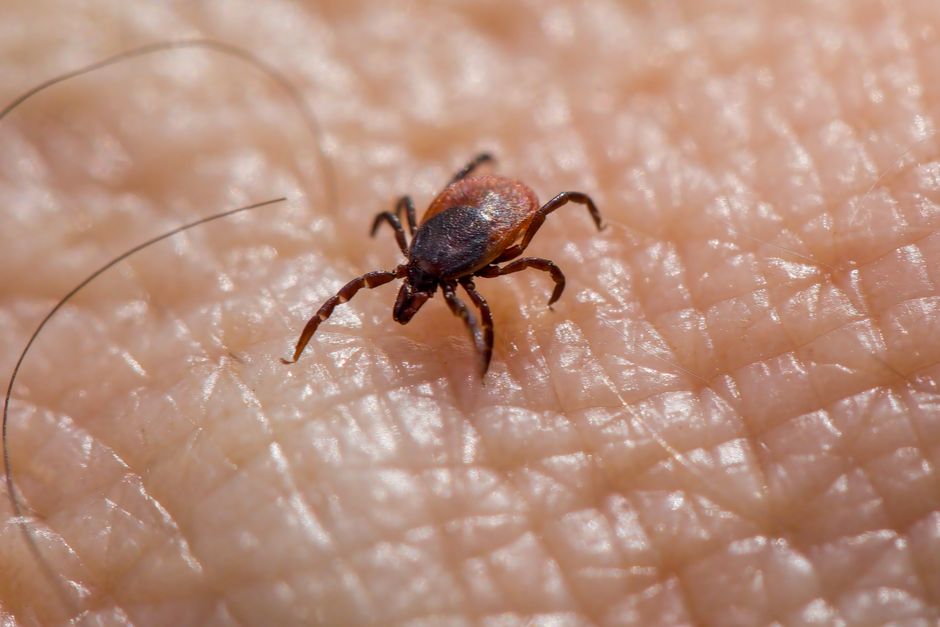
Chigger bites are intensely itchy, and the best way to deal with them is to stop them before they start. You get rid of chiggers in your yard by removing their habitat—tall grass, weeds, and leaf litter—and by using targeted treatments on the areas where they live. For bites you already have, washing the skin with soap and water and applying an anti-itch cream is the standard first step.
What Do Chiggers Actually Do to Your Skin?
Chiggers are the larvae of mites in the Trombiculidae family. They are nearly invisible to the naked eye, often red or orange, and live in grassy and wooded areas. They do not burrow into your skin and they do not feed on blood.
Instead, they attach to your skin, inject digestive enzymes, and feed on the liquefied skin cells. That enzyme injection is what triggers the severe itching and the red welts. The chigger typically stays attached for a few days before dropping off, but the itching can last for up to two weeks.
The bites usually appear in clusters, often around the ankles, waistline, armpits, or behind the knees—anywhere clothing fits snugly against the skin.
How To Get Rid Of Chiggers Bites Yard Prevention: Start With the Lawn
The single most effective way to reduce chigger populations in your yard is to change the environment. Chiggers prefer humid, shaded areas with dense vegetation. Remove those conditions and you remove the chiggers.
Mow your lawn regularly. Keep grass short, especially at the edges of your property and near wooded areas. Chiggers do not thrive in short, sun-exposed grass.
Remove leaf piles, brush piles, and tall weeds. These are prime chigger habitats. If you have overgrown areas along fences or under shrubs, clear them out. Pay attention to the border between your lawn and any natural or wooded areas—this is where chiggers are most likely to invade.
Prune shrubs and trees to increase sunlight penetration. Chiggers need humid conditions, and opening up shaded areas dries them out.
Targeted Treatment Options for Your Yard
Habitat modification is the foundation, but sometimes you need to treat the yard directly, especially in areas that stay shaded and moist no matter what you do.
Several pesticides are labeled for chigger control. Products containing bifenthrin, permethrin, or carbaryl are commonly used. These are available at most garden centers. Always read the label and follow the application instructions exactly as written.
Spray the edges of your lawn, the base of trees, under shrubs, and along paths that lead into wooded areas. Focus on the transition zones—the line between your mowed lawn and the wild vegetation beyond it. That is where chiggers concentrate.
You do not need to spray your entire lawn. Treating only the high-risk perimeter areas is usually sufficient and reduces the amount of pesticide you introduce into your yard.
Some research suggests that certain natural products, such as those containing essential oils, may repel chiggers, but the evidence is limited. No large human trials have confirmed that natural sprays are as effective as conventional pesticides for reducing chigger populations in a yard. If you prefer a natural approach, rely primarily on habitat modification and personal protection.




Personal Protection When You Go Outside
Yard treatment reduces the risk, but it does not eliminate it. Chiggers can still be present, especially in the hot, humid months of late summer and early fall.
Wear long pants and long sleeves when working in the yard. Tuck your pants into your socks. Chiggers climb up from the ground, and this simple barrier prevents most bites.
Apply an insect repellent to your clothing and exposed skin. Products containing DEET are effective. Permethrin-treated clothing is also highly effective and lasts through multiple washes. Follow the product instructions carefully, especially when using repellents on children.
After coming indoors, take a hot shower and scrub your skin with soap. This removes any chiggers that have not yet attached or that are only loosely attached. The faster you wash, the fewer bites you are likely to get. Pay special attention to the areas where clothing was tight.
Wash your clothes in hot water. Chiggers on your clothing will die in a washing machine cycle with hot water and detergent.
How To Treat Chigger Bites at Home
If you do get bites, the goal is to control the itching and prevent infection. The itching is caused by your body’s reaction to the chigger’s saliva, not by the chigger itself.
Wash the bites with soap and water as soon as you notice them. This removes any remaining chiggers and reduces the risk of infection.
Apply an over-the-counter anti-itch cream containing hydrocortisone. Calamine lotion is another option. Oral antihistamines, such as diphenhydramine (Benadryl), can help reduce itching, especially at night.
Apply a cold compress for 15 minutes at a time to numb the area and reduce swelling.
Do not scratch. Scratching breaks the skin and can lead to a bacterial infection. If the bites become red, swollen, warm, or start oozing pus, see a doctor. Those are signs of infection.
There is no evidence that applying nail polish, bleach, or other household products to chigger bites helps. These old remedies are not supported by any clinical evidence and can irritate the skin further.
When Do Chiggers Bite Most?
Chiggers are most active in the late spring, summer, and early fall. They prefer temperatures between 60°F and 99°F. They become inactive once the ground temperature drops below 60°F.
They are most likely to bite during the hottest part of the day, typically mid-morning through late afternoon. They are also more common in areas with high humidity, such as near streams, ponds, or heavily shaded yards.
If you live in a region with mild winters, chiggers can be active year-round. In colder climates, the first hard frost typically kills them off for the season.
Do Chiggers Spread Disease?
In the United States, chiggers are not known to transmit any human diseases. This is a key difference between chiggers and other biting pests like ticks or mosquitoes.
Their impact is limited to the intense itching and discomfort of the bites themselves. The main complication is secondary bacterial infection from scratching. Keep the bites clean and avoid scratching to prevent this.
Myths About Chiggers That Will Not Go Away
One persistent myth is that chiggers burrow into your skin and stay there. This is false. Chiggers feed on the surface of the skin and drop off after a few days. They do not burrow, and they do not lay eggs in your skin.
Another myth is that chiggers feed on blood. They do not. They feed on liquefied skin cells, which is why the enzyme reaction is so intense.
A third myth is that applying clear nail polish to the bite kills the chigger. Since the chigger is not in your skin, there is nothing to kill. The polish may provide a temporary barrier that reduces scratching, but it does not treat the underlying reaction.
Frequently Asked Questions
How long do chigger bites last?
Chigger bites typically itch intensely for one to two weeks. The red welts may take a few days to appear after the bite occurs.
What is the fastest way to stop chigger bite itching?
Washing the area with soap and water immediately, then applying hydrocortisone cream, is the fastest proven method. An oral antihistamine can also help if itching is severe.
Can I get rid of chiggers in my yard permanently?
No, you cannot permanently eliminate chiggers if you live near natural or wooded areas. Regular mowing, removing leaf litter, and treating perimeter zones keeps populations low, but new chiggers can move in from surrounding vegetation.
Does vinegar kill chiggers?
No clinical evidence confirms that vinegar kills chiggers or stops the itching. It may irritate broken skin and should not replace standard treatments like hydrocortisone.
