

A burning sensation in your stomach is usually caused by acid reflux, gastritis, or irritation of the stomach lining. You can get quick relief with over‑the‑counter antacids, and longer‑lasting help with acid‑reducing medications. But if the burning persists or is severe, you should see a doctor to rule out an ulcer or infection.
What Causes the Burning Sensation in Your Stomach?
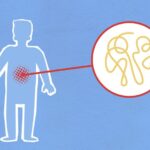
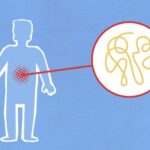
The burning feeling typically comes from stomach acid touching the lining of your esophagus or stomach. This can happen when the valve between your stomach and esophagus does not close tightly, allowing acid to splash up — that is acid reflux. When the stomach lining itself is inflamed, it is called gastritis. Both conditions cause a burning pain in the upper belly.
Common triggers include eating large meals, lying down right after eating, eating spicy or fatty foods, drinking alcohol or caffeine, smoking, and taking nonsteroidal anti‑inflammatory drugs (NSAIDs) like ibuprofen or aspirin. An infection with the bacterium H. pylori can also cause chronic gastritis and burning. Stress does not directly cause acid damage, but it can make symptoms worse.
Less often, a burning sensation can come from a peptic ulcer, gallbladder problems, or even a heart attack that feels like heartburn. That is why it is important to pay attention to other symptoms.
How To Get Rid Of Burning Sensation In Stomach
If you have an occasional burning sensation, over‑the‑counter antacids are the fastest option. They neutralize existing acid within minutes. Products that contain calcium carbonate or magnesium hydroxide work well. Follow the label instructions and do not take more than recommended.
For longer‑lasting relief, acid reducers called H2 blockers (such as famotidine) cut acid production. They start working within an hour and can control symptoms for up to 12 hours. Proton pump inhibitors (PPIs) like omeprazole are stronger but take one to four days to fully work. They are best used for frequent or persistent burning, but should not be taken for more than 14 days without a doctor’s advice.
Lifestyle changes help prevent the burning from coming back. Eat smaller meals, avoid lying down for at least two hours after eating, and do not eat within three hours of bedtime. Elevate the head of your bed by six to eight inches. Cut back on trigger foods — spicy dishes, citrus, tomatoes, onions, chocolate, mint, coffee, and alcohol. If you smoke, stopping can significantly improve symptoms.
Avoid NSAIDs unless you need them. If you take aspirin for heart protection, ask your doctor if switching to a different option is safe.
Antacids vs. Acid Reducers: Which Works Faster?
Antacids work quickly because they directly neutralize acid that is already in your stomach. They can stop the burning within minutes, but the effect only lasts an hour or two. They are good for occasional, mild burning that comes on after a meal.
Acid reducers take longer but last much longer. H2 blockers start reducing acid within about 30–60 minutes and control symptoms for up to 12 hours. PPIs take longer to start working — often a full day or more — but they reduce acid more strongly and are taken once daily. For a sudden burning sensation, an antacid is the fastest option. For all‑day or nightly symptoms, an H2 blocker or PPI may be better.
Do not combine antacids with other acid reducers unless a doctor tells you to. Antacids can interfere with absorption of certain medications.



Diet Changes That Help Prevent Stomach Burning
What you eat and drink matters a lot. Foods that commonly trigger burning include tomato‑based sauces, citrus fruits and juices, fried foods, high‑fat meats, chocolate, mint, and caffeinated drinks. Carbonated beverages can also cause bloating and push acid upward. Keep a food diary to find your personal triggers — not everyone reacts to the same foods.
Foods that are generally safe include non‑citrus fruits like bananas and melons, vegetables (especially broccoli, green beans, and potatoes), whole grains like oatmeal and brown rice, lean poultry and fish, and low‑fat dairy in small amounts. Ginger has a natural calming effect on the stomach — try a small piece in hot water as a tea.
Eat smaller, more frequent meals instead of three large ones. This keeps your stomach from becoming too full and putting pressure on the valve that keeps acid down. Drink water throughout the day but not huge amounts at once. Chew your food well and eat slowly.
When to See a Doctor for Stomach Burning
You should see a doctor if the burning sensation happens two or more times per week, or if it does not improve after two weeks of using over‑the‑counter treatments. Also see a doctor if you have any red‑flag symptoms: pain that wakes you up at night, difficulty swallowing, vomiting blood or material that looks like coffee grounds, black or tarry stools, weight loss without trying, or a feeling of fullness that does not go away.
A doctor can test for H. pylori infection with a breath or stool test, and may recommend an endoscopy to look for ulcers or damage to your esophagus. If you have bleeding or severe pain, seek emergency care. In rare cases, chest burning can be a sign of a heart attack — especially if it comes with shortness of breath, sweating, or pain that spreads to your arm or jaw. When in doubt, get checked.
Frequently Asked Questions
Can stress cause a burning sensation in the stomach?
Stress does not directly cause acid damage, but it can make existing symptoms worse by increasing acid production and altering digestion. Managing stress through relaxation techniques may help reduce the frequency of burning episodes.
Is it safe to take antacids every day?
Taking antacids every day for more than two weeks is not recommended without a doctor’s supervision. Long‑term use can lead to side effects such as kidney problems, constipation, or diarrhea, and may mask an underlying condition that needs treatment.
What is the difference between heartburn and a stomach burning sensation?
Heartburn is a burning feeling behind the breastbone caused by stomach acid flowing into the esophagus. A stomach burning sensation is felt in the upper abdomen and is often due to irritation of the stomach lining itself. Both can occur together.
Should I avoid dairy if I have a burning stomach?
Dairy affects people differently. Low‑fat milk may temporarily coat the stomach and provide relief, but high‑fat dairy can trigger reflux in some people. Pay attention to your own reaction and choose non‑fat options if you tolerate them.
