
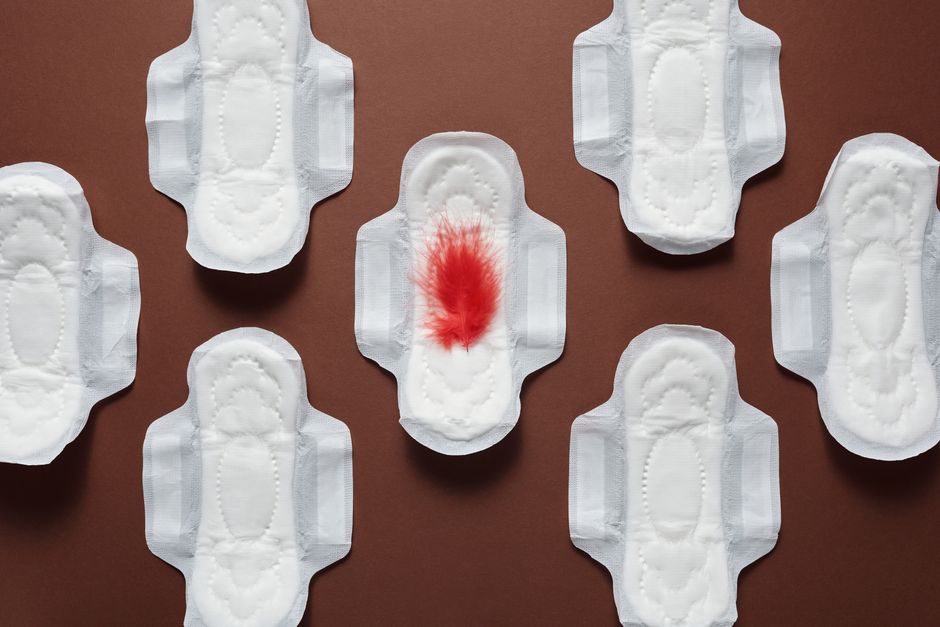
Brown discharge is usually old blood leaving the body slowly. It turns brown because blood that sits in the vagina or uterus for a while loses oxygen and darkens. Most of the time it is normal — the tail end of a period, ovulation spotting, or the last days of postpartum bleeding. You do not “get rid of” it directly. You find the cause, and the discharge stops when the cause resolves. Some causes need no treatment at all. A few need a doctor.
What matters is timing and context. Brown discharge in the days before or after a period is common and rarely serious. Brown discharge with pain, fever, a foul smell, or after a missed period means something else is going on and needs medical attention.
Why Does Discharge Turn Brown?
Blood changes color based on how long it takes to leave the body. Fresh blood is bright red. Blood that moves slowly through the vagina is exposed to oxygen and shifts to dark red, then brown, then sometimes almost black.
This is the same process that turns a scab brown as it heals. It is chemistry, not a sign of disease on its own.
Normal vaginal discharge is clear to white and changes in thickness across the menstrual cycle. When a small amount of blood mixes with that discharge, the result looks brown, pinkish-brown, or like coffee grounds. The color tells you how old the blood is. It does not tell you where it came from or why.
That is why the color alone is not enough to go on. A doctor will ask about timing, smell, pain, and your cycle. Those details point to the cause.
What Are the Most Common Causes of Brown Discharge?
The causes split into two groups: normal hormonal events and conditions that need treatment. Most brown discharge falls into the first group.
Normal causes
- End of a period. The last day or two of bleeding often looks brown. The flow has slowed and the blood is older. This is the single most common reason.
- Ovulation spotting. Some women release a small amount of blood mid-cycle when an egg is released. It usually lasts a day or two and can be brown.
- Postpartum bleeding (lochia). Bleeding after childbirth lasts for weeks and shifts from red to brown to yellow-white as it winds down.
- Starting or stopping hormonal birth control. Breakthrough bleeding is common in the first few months on a new pill, patch, ring, or hormonal IUD. It is often brown.
- Implantation bleeding. A small amount of spotting can happen when a fertilized egg attaches to the uterine lining. It is light and short-lived. Not every pregnant woman has it.
Causes that may need treatment
- Infection. Bacterial vaginosis, chlamydia, gonorrhea, and trichomoniasis can cause discharge that is brown or tinged with blood. These often come with odor, itching, or pelvic discomfort.
- Cervical or uterine polyps. Non-cancerous growths can cause spotting, especially after sex.
- Hormonal imbalance. Thyroid problems and polycystic ovary syndrome can disrupt the cycle and cause irregular bleeding.
- Uterine fibroids. These can cause heavier periods and spotting between them.
- Ectopic pregnancy. This is a medical emergency. Brown or red spotting with one-sided pelvic pain and a missed period needs urgent care.
One point worth knowing: brown discharge after sex is not automatically harmless. It can come from a cervical polyp or from inflammation of the cervix. It is worth mentioning to a clinician rather than waiting it out.
When Is Brown Discharge a Sign of Pregnancy?
Brown spotting can be an early sign of pregnancy, but it is not a reliable one. Many women who spot are not pregnant, and many who are pregnant never spot.
Implantation bleeding is the usual explanation. It tends to happen around the time a period would be due, which is why it is easy to mistake for a light period. It is typically lighter than a normal period and does not build up the way menstrual flow does.
The only way to know is a pregnancy test. A home urine test is reliable once a period is late. If the test is positive and you have brown discharge along with cramping or pain, contact a doctor. Spotting in early pregnancy is common, but pain changes the picture and needs to be checked.





What Does Brown Discharge After Menopause Mean?
Any vaginal bleeding after menopause needs a doctor’s evaluation. This is the one situation where brown discharge should never be dismissed as normal.
After menopause, estrogen levels fall and the lining of the vagina thins. That tissue is fragile and can bleed from minor friction. This is a common and treatable cause. But postmenopausal bleeding can also be the first sign of endometrial cancer or other serious conditions, and those need to be ruled out.
This does not mean the cause is cancer. Most cases turn out to have a benign explanation. It means the symptom is taken seriously and investigated. A clinician will typically examine the pelvis and may order an ultrasound or a biopsy of the uterine lining.
Do not wait to see if it stops on its own.
How To Get Rid Of Brown Discharge Causes Fixes
There is no treatment that targets brown discharge itself. The fix is to identify and address the cause. What that looks like depends entirely on what is driving the bleeding.
For normal causes — the end of a period, ovulation, hormonal birth control adjustment — no treatment is needed. The discharge resolves on its own. With a new hormonal method, breakthrough bleeding often settles within a few months, though the exact timeline varies from person to person.
For infections, the fix is targeted treatment. Bacterial vaginosis and trichomoniasis are treated with antibiotics or antiprotozoal medication. Chlamydia and gonorrhea are treated with antibiotics. A sexual partner usually needs treatment too, or reinfection is likely. Do not self-treat with over-the-counter products. They do not clear these infections and can mask symptoms.
For polyps, fibroids, or hormonal imbalance, management depends on the specific finding. Some polyps are removed in a short office procedure. Fibroids may be watched or treated depending on size and symptoms. Thyroid problems are managed with medication. None of these are things to diagnose yourself.
For suspected ectopic pregnancy, the fix is emergency care. This is not a wait-and-see situation.
What you can do in the meantime
- Track the timing of the discharge against your cycle. Patterns help a clinician.
- Avoid douching. It disrupts the vaginal environment and does not fix bleeding.
- Use unscented pads rather than tampons if you are unsure what the discharge is.
- Note any odor, itching, pain, or fever. These details narrow the cause fast.
When Should You See a Doctor?
Most brown discharge does not need a doctor. Some does. The difference is context, not color.
See a clinician if you notice any of the following:
- Brown discharge with a foul or fishy smell
- Pelvic pain, especially one-sided pain
- Fever
- Bleeding after sex that keeps happening
- Irregular bleeding that lasts more than a few days or happens often
- Any bleeding after menopause
- Brown discharge with a missed period and pain — seek urgent care
A clinician can usually narrow the cause with a history, an exam, and simple tests. Most cases are straightforward. The goal is not to scare you into an appointment for every brown day. It is to know which brown days mean something.
Frequently Asked Questions
Is brown discharge normal?
Yes, most brown discharge is normal and comes from old blood leaving the body slowly. It is common at the end of a period, around ovulation, and when starting or stopping hormonal birth control.
How long does brown discharge last?
It depends on the cause and there is no single timeline. Period-related brown discharge usually lasts a day or two, while breakthrough bleeding from a new hormonal method can come and go for a few months.
Can brown discharge mean an infection?
It can. Infections like bacterial vaginosis or chlamydia can cause discharge that is brown or blood-tinged, often with odor, itching, or pelvic discomfort. A foul smell or pain is a reason to get checked.
Does brown discharge mean I am pregnant?
Not necessarily. Light brown spotting can happen in early pregnancy, but many women who spot are not pregnant. A home pregnancy test is the only reliable way to know.
