
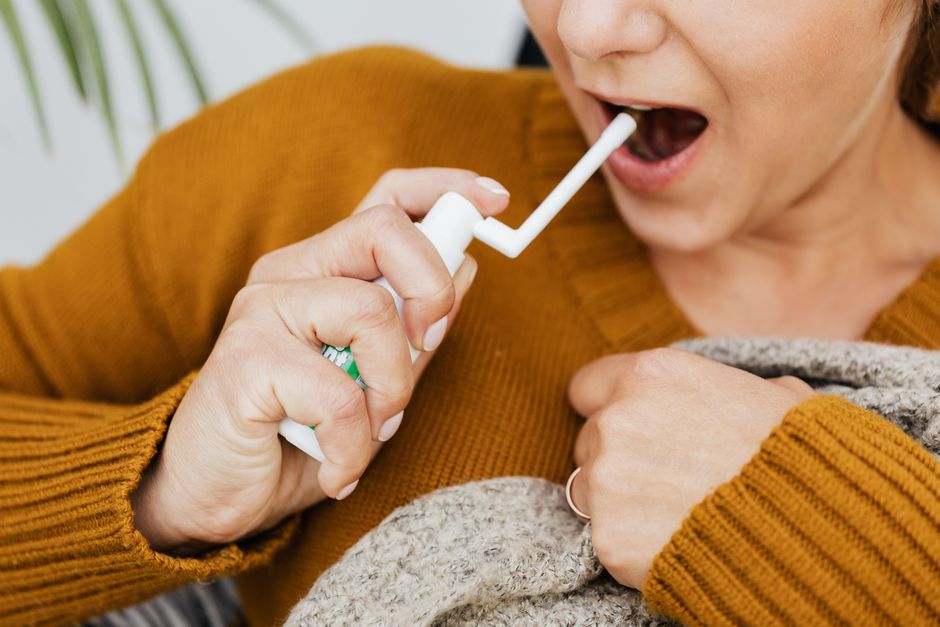
Waking up with a dry mouth and a tired throat is a common sign that you spent the night breathing through your mouth instead of your nose. Snoring with your mouth open happens because the soft tissues at the back of your throat vibrate as air passes over them. When your mouth is open, your jaw falls back and narrows the airway, which makes those vibrations louder and more likely.
Why Does Sleeping With Your Mouth Open Cause Snoring?
Your nose is designed for breathing. It warms, filters, and moistens the air before it reaches your lungs. Your mouth is not. When you switch to mouth breathing at night, you bypass all of that natural preparation.
More importantly, the position of your jaw changes. When your mouth falls open during sleep, your lower jaw drops backward. That movement pulls your tongue backward too. Your tongue is a large muscle, and when it falls back, it takes up space in your airway. The result is a narrower passage for air to move through.
Narrower passages mean faster airflow. Faster airflow creates more vibration in the soft palate and the back of the throat. That vibration is the sound you hear as snoring. Mouth breathing also dries out the throat, which can make the tissues stick together slightly and vibrate even more.
What Causes Mouth Breathing at Night?
Several factors can push you into mouth breathing while you sleep. Some are temporary and easy to fix. Others point to underlying conditions that need attention.
Nasal congestion is the most common cause. When your nose is blocked from allergies, a cold, or a deviated septum, your body automatically switches to mouth breathing. You do not make a conscious choice. Your body simply takes the path that gets air in.
Sleep position matters too. Sleeping on your back allows gravity to pull your jaw and tongue backward. That makes mouth breathing more likely and snoring louder. Side sleeping keeps the airway more open.
Some people have anatomical features that make mouth breathing more likely. A narrow palate, a recessed chin, or large tonsils can all change how your airway behaves at night. These structural factors are present from birth or develop over time.
Alcohol and sedatives relax the muscles in your throat more than normal sleep does. That extra relaxation can cause your mouth to fall open and your airway to narrow. The effect is strongest in the first few hours after drinking.
Is Mouth Breathing Snoring a Sign of Sleep Apnea?
Not always, but it can be. Obstructive sleep apnea happens when your airway closes completely or nearly completely during sleep. Your brain wakes you up just enough to restart breathing, sometimes dozens of times per hour.
Loud snoring with mouth breathing is one possible sign of sleep apnea. Other signs include gasping or choking sounds during sleep, waking up with a headache, feeling exhausted despite a full night in bed, and falling asleep during the day without meaning to.
If you snore loudly every night and feel tired during the day, that combination deserves a conversation with a doctor. Sleep apnea is not just about snoring. Untreated, it raises the risk of high blood pressure, heart disease, and stroke. A sleep study is the standard way to confirm whether you have it.
Many people who snore with their mouth open do not have sleep apnea. But the two conditions overlap enough that persistent loud snoring should never be dismissed as harmless.





Can Mouth Taping Stop Snoring?
Mouth taping has become popular on social media. The idea is simple: tape your mouth shut at night so you are forced to breathe through your nose. Some people report that it reduces their snoring and improves their sleep.
The evidence is limited. No large human trials have confirmed that mouth taping is safe or effective for everyone. For people who can breathe well through their nose, it may help. For people with nasal congestion, a deviated septum, or sleep apnea, it can be dangerous.
If your airway is blocked at the nose and you tape your mouth shut, you create a situation where no air can get in. That can cause panic, choking, or a drop in oxygen levels. Some clinicians recommend trying it cautiously, but many advise against it until a doctor has ruled out sleep apnea and nasal obstruction.
There are safer ways to encourage nose breathing. Nasal strips open the nostrils from the outside. Saline rinses clear congestion. A humidifier in the bedroom keeps the nasal passages from drying out. These options do not carry the same risk as taping your mouth shut.
What Are the Best Fixes for Mouth Breathing Snoring?
The right fix depends on why you are mouth breathing in the first place. Start with the simplest changes and work up from there.
Change your sleep position. Side sleeping is the single most effective position change for most snorers. A body pillow can help you stay on your side through the night. Some people sew a tennis ball into the back of their pajama shirt to discourage rolling onto their back.
Clear your nose before bed. A saline nasal spray or rinse can reduce congestion. Nasal strips physically hold the nostrils open. If allergies are the cause, addressing the allergen in your bedroom matters more than treating the symptom.
Treat allergies at the source. Wash bedding in hot water weekly. Use dust mite covers on pillows and mattresses. Keep pets out of the bedroom. If seasonal allergies are the problem, an antihistamine may help, but talk to a doctor about which one is right for you.
Elevate your head. Raising the head of your bed by a few inches can reduce the collapse of throat tissues. A wedge pillow works for some people. The goal is a slight incline, not a steep angle.
Lose weight if you are overweight. Excess weight around the neck puts pressure on the airway. Research consistently shows that weight loss reduces snoring intensity in people who are overweight. Even a modest reduction can make a difference.
Avoid alcohol before bed. Alcohol relaxes the throat muscles more than natural sleep does. Skipping alcohol in the hours before bed can noticeably reduce snoring in people who drink regularly.
Consider a dental device. Mandibular advancement devices are fitted by a dentist and hold the lower jaw forward during sleep. This keeps the airway open. These devices are well studied for mild to moderate sleep apnea and are also used for primary snoring. They require a proper fitting and follow-up care.
When Should You See a Doctor About Snoring?
Occasional snoring after a cold or a late night is normal. Persistent loud snoring is worth investigating.
See a doctor if your snoring is loud enough to be heard in another room, if your partner notices pauses in your breathing, or if you wake up gasping or choking. Daytime sleepiness, morning headaches, and trouble concentrating are also reasons to seek help.
A doctor can evaluate your airway and decide whether a sleep study is appropriate. A sleep study measures your breathing, oxygen levels, and brain activity through the night. It is the only way to confirm or rule out sleep apnea.
Do not assume that mouth breathing snoring is harmless just because you do not wake up feeling terrible. Some people with sleep apnea do not feel particularly sleepy during the day. The condition can still affect blood pressure and heart health over time.
Frequently Asked Questions
Why do I only snore when I sleep on my back?
Sleeping on your back lets gravity pull your jaw, tongue, and soft palate backward into your airway. Side sleeping keeps those structures more forward and the airway more open.
Does mouth taping actually work for snoring?
Some people report that it helps, but no large human trials have confirmed it is safe or effective for everyone. It can be dangerous if your nose is blocked or you have sleep apnea, so talk to a doctor before trying it.
Can losing weight stop mouth breathing snoring?
Weight loss reduces pressure on the airway and can significantly reduce snoring in people who are overweight. Even a modest reduction in weight can make a noticeable difference.
How can I tell if my snoring is sleep apnea?
Loud snoring with gasping, choking, or pauses in breathing during sleep points to sleep apnea. Daytime exhaustion, morning headaches, and waking up unrefreshed are also common signs that deserve a medical evaluation.
