
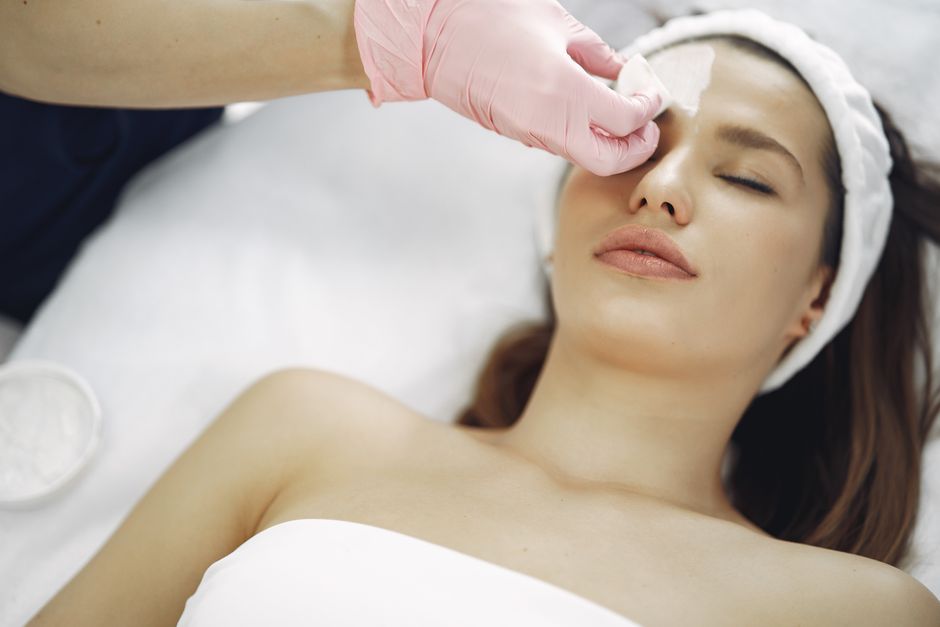
Broken capillaries on the face are tiny, dilated blood vessels that sit close to the skin’s surface. They appear as thin red, purple, or blue lines, most often on the cheeks, nose, and chin. The most reliable way to remove them is with professional medical treatment, specifically laser therapy or intense pulsed light (IPL). While home remedies cannot remove vessels that are already broken, you can take steps to prevent new ones from forming and to protect your skin before and after professional treatment.
What Causes Broken Capillaries on the Face?
Your skin has a network of tiny blood vessels called capillaries. These vessels have thin walls. When they are repeatedly stressed, they can dilate and lose their ability to return to their normal size. Over time, this damage becomes permanent, resulting in visible broken capillaries, also known as spider veins or telangiectasias.
Several factors contribute to this damage. Genetics play a large role. If your parents had visible facial veins, you are more likely to develop them. Sun exposure is another major cause. UV rays weaken the walls of blood vessels over many years, which is why broken capillaries often appear on sun-exposed areas like the cheeks and nose.
Other common triggers include:
- Frequent facial flushing from spicy foods or alcohol
- Extreme temperature changes, like going from a hot shower into cold air
- Facial trauma or aggressive skin rubbing
- Hormonal changes, including pregnancy
- Aging, which naturally thins the skin and weakens vessel walls
Can You Get Rid of Broken Capillaries at Home?
The short answer is no. Once a capillary is broken or permanently dilated, no topical cream, serum, or home device will remove it. Many products claim to reduce redness, but they only mask the appearance temporarily. They do not eliminate the damaged vessel.
Some creams contain ingredients like vitamin K or niacinamide. These may help strengthen the skin barrier or reduce inflammation, but no clinical evidence confirms they can remove existing broken capillaries. If a product promises to erase spider veins, treat the claim with skepticism.
Cold compresses can temporarily constrict blood vessels and reduce redness for a short period. This is a cosmetic fix, not a cure. The vessel returns to its previous state once the skin warms back up.
What Is the Best Medical Treatment for Broken Capillaries?
The only proven way to get rid of broken capillaries is through professional medical treatment. These treatments use targeted energy to seal the damaged vessel. The body then naturally absorbs the sealed vessel, and it fades from view.
Two main treatments are used by dermatologists:
- Laser therapy — Vascular lasers, such as pulsed dye lasers, deliver a specific wavelength of light that is absorbed by the red blood cells in the capillary. The heat generated seals the vessel without damaging surrounding skin.
- Intense pulsed light (IPL) — IPL is not a laser but a broad-spectrum light therapy. It works on the same principle of heat absorption. It is often effective for diffuse redness and broken capillaries, though it may require more sessions than a vascular laser.
Both treatments are considered safe and effective when performed by a qualified dermatologist or licensed practitioner. The choice between them depends on the size, depth, and location of the vessels, as well as your skin type and tone.



Step by Step: What to Expect During Treatment
If you decide to pursue professional treatment, here is what the process typically looks like.
Step 1: Consultation. Your dermatologist will examine your skin and identify the type and extent of the broken capillaries. They will also assess your skin tone, which affects which device is safest for you.
Step 2: Preparation. You will be asked to avoid sun exposure, tanning beds, and certain skincare products like retinoids for a period before your appointment. This reduces the risk of complications.
Step 3: The procedure. During the treatment, you will wear protective eyewear. The practitioner will pass the laser or IPL handpiece over the targeted areas. Most people describe the sensation as a quick snapping or stinging feeling, like a rubber band hitting the skin.
Step 4: Aftercare. Immediately after treatment, the area may look red and slightly swollen. This usually subsides within a few hours to a couple of days. You will be advised to apply a soothing ointment and to avoid sun exposure while the skin heals.
Step 5: Follow-up. Most people need one to three sessions to achieve optimal results. The number of sessions depends on the number and size of the broken capillaries. You will see the most noticeable improvement two to four weeks after each session, as the body clears away the sealed vessels.
Are There Risks or Side Effects?
Laser and IPL treatments are generally low risk when performed by an experienced professional. However, side effects can occur. Temporary redness and swelling are the most common and typically resolve quickly.
Less common side effects include bruising, which usually fades within a week, and temporary darkening or lightening of the skin. In rare cases, blistering or scarring can occur. These risks are higher if you have darker skin or if the treatment is performed by someone with insufficient experience.
It is important to choose a board-certified dermatologist or a licensed medical professional with specific training in vascular laser treatments. Do not seek these procedures at unlicensed spas or from practitioners without medical credentials.
How to Prevent New Broken Capillaries
Once you have treated existing broken capillaries, prevention becomes essential. New ones can form if the underlying causes are not addressed.
Daily sun protection is the single most effective preventive measure. Use a broad-spectrum sunscreen with SPF 30 or higher every day, even when it is cloudy. Reapply every two hours when outdoors. A wide-brimmed hat adds an extra layer of protection.
Manage your triggers. If you notice that alcohol, spicy foods, or hot beverages cause your face to flush, limit those items. Avoid extreme temperature changes. When washing your face, use lukewarm water instead of hot water.
Be gentle with your skin. Avoid harsh scrubs, rough towels, and aggressive rubbing. Use skincare products formulated for sensitive skin. Look for gentle cleansers and moisturizers that support a healthy skin barrier.
Some research suggests that topical antioxidants, such as vitamin C, may help strengthen blood vessel walls over time. The evidence is limited, but these products are generally safe and may offer modest protection. They will not remove existing broken capillaries.
How Much Does Treatment Cost?
Treatment costs vary widely based on your location, the size of the treatment area, and the number of sessions needed. In the United States, a single laser or IPL session for the face typically ranges from several hundred to over a thousand dollars. Since this is considered a cosmetic procedure, health insurance rarely covers it.
During your consultation, ask for a clear breakdown of costs. Confirm whether the quoted price covers the entire face or only specific areas. Ask how many sessions you are likely to need and whether follow-up visits are included.
Can Makeup Help in the Meantime?
If you are not ready for professional treatment, makeup offers a reliable temporary solution. Color-correcting concealers can neutralize the red or purple appearance of broken capillaries.
Green color-correcting products cancel out redness. Apply a thin layer of green corrector to the affected areas, then layer your regular foundation or concealer on top. Look for products labeled as full coverage and non-comedogenic, which means they will not clog pores.
This approach does not treat the underlying problem, but it can significantly reduce the visible appearance of broken capillaries while you decide on next steps.
Frequently Asked Questions
How long does it take to see results from laser treatment?
Most people notice significant improvement two to four weeks after each session.
Multiple sessions are often needed for complete clearance, especially for larger or deeper vessels.
Are broken capillaries a sign of a health problem?
In most cases, broken capillaries on the face are a cosmetic issue and not a sign of underlying disease.
However, if you develop a sudden cluster of broken capillaries, or if they appear alongside other symptoms, mention it to your doctor.
Can facial massage help get rid of broken capillaries?
No, facial massage will not remove broken capillaries, and aggressive massage can actually worsen them.
Gentle massage may help reduce puffiness but has no effect on damaged blood vessels.
Does drinking alcohol cause broken capillaries?
Alcohol causes facial flushing, and repeated flushing can weaken vessel walls over time.
Limiting alcohol intake may help prevent new broken capillaries but will not fix existing ones.
