
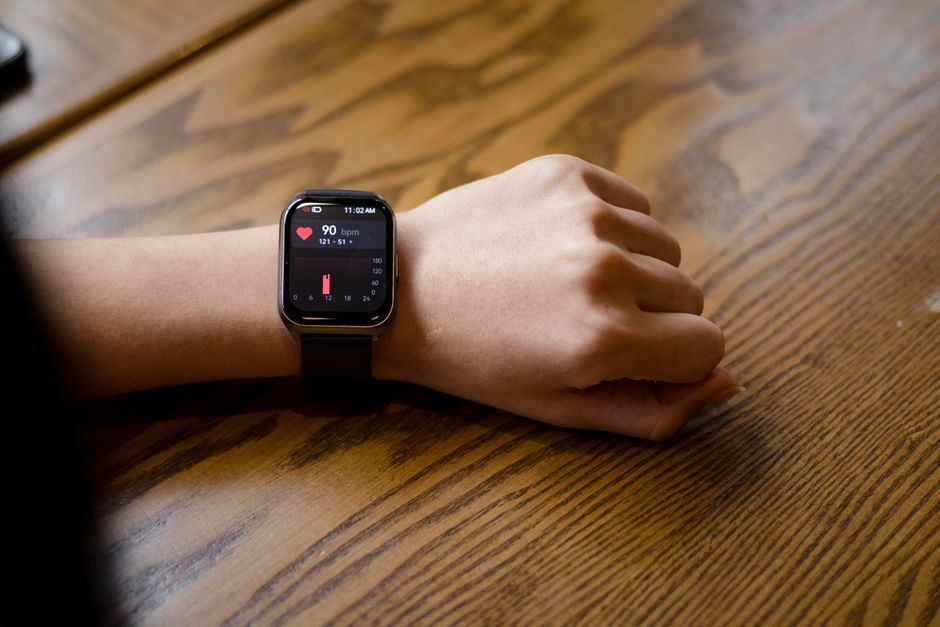
Your heart is pounding. Your chest feels tight. Your mind is racing with worst-case scenarios. It is a familiar loop for many people: a fast heart rate triggers anxious thoughts, and those anxious thoughts make your heart beat even faster. The question of whether a fast heart rate can actually cause anxiety is more complex than a simple yes or no. The short answer is yes, a fast heart rate can trigger or intensify feelings of anxiety, but the relationship works in both directions and involves several distinct bodily systems.
What Happens in Your Body During a Fast Heart Rate
To understand the connection, it helps to know what a fast heart rate actually is. A normal resting heart rate for most adults falls between 60 and 100 beats per minute. When your heart beats faster than 100 beats per minute at rest, that condition is called tachycardia.
Your heart rate is controlled by your autonomic nervous system. This is the part of your nervous system that runs automatically, without conscious effort. It has two main branches. The sympathetic nervous system speeds things up, preparing your body for action. The parasympathetic nervous system slows things down, helping your body rest and recover.
When your sympathetic nervous system activates, it releases hormones like adrenaline and noradrenaline. These hormones increase your heart rate, raise your blood pressure, and redirect blood flow to your muscles. This is the classic fight-or-flight response. It is designed to help you react to danger, but it can also be triggered by stress, caffeine, illness, or even just a thought.
Can a Fast Heart Rate Cause Anxiety?
Yes, a fast heart rate can cause anxiety. This happens through a process called interoception, which is your brain’s ability to sense what is happening inside your body. Your brain constantly monitors signals from your heart, lungs, and digestive system. When it detects a rapid heartbeat, it tries to figure out what that signal means.
If your brain cannot find an obvious reason for the fast heart rate, it may interpret the signal as a threat. This can trigger feelings of fear, worry, or panic. Research has shown that people who are more sensitive to their own heartbeat tend to experience more anxiety. This is especially true for people with panic disorder, who often misinterpret normal bodily sensations as dangerous.
One study published in the journal Psychosomatic Medicine found that people with panic disorder were more accurate at detecting their own heartbeat than people without panic disorder. This suggests that heightened awareness of heart sensations may play a role in anxiety disorders. The brain perceives the fast heartbeat as evidence that something is wrong, and the anxiety follows.
The Two-Way Street: Anxiety Also Causes a Fast Heart Rate
The relationship is not one-directional. Anxiety can absolutely cause your heart to beat faster. When you feel anxious, your brain activates the same fight-or-flight response described earlier. Your sympathetic nervous system releases adrenaline, and your heart rate climbs.
This creates a feedback loop. Anxiety causes a fast heart rate. A fast heart rate causes more anxiety. Each one feeds the other, and the cycle can spiral quickly. This loop is central to many panic attacks, which often involve both intense fear and a racing heart.
Understanding this cycle is important for breaking it. If you can interrupt one part of the loop, you can often reduce the intensity of the whole experience. For example, slowing your breathing activates your parasympathetic nervous system, which can lower your heart rate and reduce feelings of anxiety.
-
 Can Anxiety Cause Higher Heart Rate? What’s Actually True
 -
How to Slow Heart Rate from Anxiety? Simple Steps That Help
-
Do You Have Social Anxiety Quiz? What the Research Says
-
Does Anxiety Cause Appetite Loss? What the Research Says
-
Pineal Guardian X Reviews: Does This Liquid Brain Drop Actually Work?





When a Fast Heart Rate Is Not Just Anxiety
Not every fast heart rate is caused by anxiety. Several medical conditions can cause tachycardia, and some of these are serious. It is important to know the difference between an anxiety-related fast heart rate and one that requires medical attention.
Conditions that can cause a fast heart rate include:
- Atrial fibrillation, an irregular and often rapid heartbeat
- Supraventricular tachycardia, a rapid heart rate that starts in the upper chambers
- Anemia, which reduces the blood’s ability to carry oxygen
- Hyperthyroidism, an overactive thyroid gland
- Dehydration or electrolyte imbalances
- Infections or fever
Certain substances can also cause a fast heart rate. Caffeine, nicotine, and stimulant medications are common culprits. Some over-the-counter cold medicines contain decongestants that raise heart rate. Alcohol withdrawal can also cause tachycardia.
If you experience a fast heart rate that comes on suddenly, lasts a long time, or happens without any clear trigger, it is worth discussing with a doctor. A fast heart rate accompanied by chest pain, shortness of breath, fainting, or severe dizziness requires immediate medical attention.
How to Tell the Difference Between Anxiety and a Heart Condition
Distinguishing between anxiety-related tachycardia and a cardiac problem can be challenging, even for doctors. The symptoms overlap significantly. Both can cause chest discomfort, shortness of breath, and a sense of dread.
There are some patterns that may help. Anxiety-related fast heart rates often occur during or after stressful events. They may be accompanied by other anxiety symptoms like sweating, trembling, or a feeling of unreality. They tend to resolve when the anxiety subsides, though this can take time.
Heart-related fast heart rates often occur without an emotional trigger. They may start suddenly and stop suddenly. They can happen during rest or sleep. They may be associated with a fluttering or pounding sensation in the chest.
However, these patterns are not reliable enough to make a diagnosis on your own. A doctor can run tests to determine the cause. An electrocardiogram, or ECG, records the electrical activity of your heart. A Holter monitor records your heart rhythm continuously for 24 to 48 hours. Blood tests can check for thyroid problems, anemia, or electrolyte imbalances.
What the Research Says About Breaking the Cycle
Research has explored several approaches to managing the anxiety-heart rate cycle. These approaches fall into two main categories: psychological strategies and physiological strategies.
Cognitive behavioral therapy, or CBT, is one of the most studied treatments for anxiety. CBT helps people identify and change the thought patterns that drive anxiety. For people who fear a fast heart rate, CBT can help reframe the sensation. Instead of thinking “my heart is racing, something is wrong,” a person can learn to think “my heart is racing, this is uncomfortable but not dangerous.”
Interoceptive exposure is a specific CBT technique used for panic disorder. It involves deliberately and safely inducing physical sensations, like a fast heart rate, in a controlled setting. Over time, this reduces the fear associated with those sensations. The brain learns that a racing heart does not mean imminent danger.
Physiological approaches focus on activating the parasympathetic nervous system. Slow, deep breathing is one of the simplest and most effective methods. Breathing out for longer than you breathe in, such as inhaling for four counts and exhaling for six counts, can slow your heart rate. Regular aerobic exercise also helps by improving cardiovascular fitness and reducing baseline anxiety levels.
Some studies suggest that heart rate variability biofeedback may help. This technique teaches people to control their heart rate patterns using real-time feedback from a monitor. Evidence indicates it can reduce anxiety symptoms, though more research is needed to confirm its effectiveness compared to other approaches.
When to See a Doctor
If you regularly experience a fast heart rate, it is reasonable to see a doctor even if you suspect anxiety is the cause. Getting a proper evaluation provides clarity and rules out underlying medical conditions. This is not an overreaction. It is a sensible step toward understanding your body.
You should seek immediate medical care if a fast heart rate is accompanied by chest pain, pressure, or tightness, shortness of breath, fainting or near-fainting, or severe dizziness. These symptoms can indicate a heart attack or another serious cardiac event. Do not wait to see if the symptoms pass.
If the fast heart rate is related to anxiety, treatment is available. Therapy, medication, lifestyle changes, and stress management techniques can all help. Many people find that a combination of approaches works best. A mental health professional can help you develop a plan that fits your situation.
It is also worth noting that persistent anxiety is a treatable condition, not a personal failing. Seeking help for anxiety is no different from seeking help for high blood pressure or diabetes. It is a legitimate health concern that deserves proper care.
Frequently Asked Questions
Can a fast heart rate cause a panic attack?
Yes, a fast heart rate can trigger a panic attack in people who are sensitive to bodily sensations. The brain may interpret the rapid heartbeat as a sign of danger and respond with intense fear.
How do I know if my fast heart rate is anxiety or a heart problem?
Only a doctor can determine the cause with certainty. Anxiety-related fast heart rates often follow stressful events, while heart-related ones may occur without any emotional trigger and start or stop suddenly.
What is a dangerous resting heart rate?
A resting heart rate consistently above 100 beats per minute is called tachycardia and should be evaluated by a doctor. A resting heart rate below 60 can be normal for athletes but should also be assessed if accompanied by symptoms.
Can breathing exercises really slow down a fast heart rate?
Yes, slow breathing activates the parasympathetic nervous system, which helps lower heart rate. Breathing out for longer than you breathe in is particularly effective for this purpose.
