

Acid reflux happens when stomach contents move backward into the esophagus, the tube that carries food from your throat to your stomach. The burning behind the breastbone that follows is called heartburn, and when it happens often enough to damage the esophagus or interfere with daily life, it is called gastroesophageal reflux disease, or GERD. There is no single permanent cure that works for everyone. What does exist is a set of steps, backed by decades of clinical research, that can eliminate symptoms for many people and control them long-term for most of the rest.
What Actually Causes Acid Reflux?
At the bottom of the esophagus sits a ring of muscle called the lower esophageal sphincter. It normally stays closed, opening only when you swallow. Reflux happens when that valve relaxes at the wrong time, weakens, or gets pushed open by pressure from below.
That is the whole mechanism in one sentence. The stomach is built to handle acid. The esophagus is not. Its lining has far less protection, so even small amounts of stomach contents cause irritation and the familiar burning sensation.
Several things make the valve more likely to fail:
- Hiatal hernia — part of the stomach pushes up through the diaphragm, disrupting the valve’s position
- Increased abdominal pressure — from obesity, pregnancy, or tight clothing around the waist
- Delayed stomach emptying — food and acid sit longer, giving reflux more opportunity
- Certain foods and drinks — these affect people differently, and the list is shorter than most people assume
- Medications — some blood pressure drugs, sedatives, and asthma medications relax the valve
One clarification worth making: acid reflux is not caused by “too much acid” in most cases. The acid level is often normal. The problem is that acid is in the wrong place. This matters because it explains why acid-suppressing drugs help symptoms but do not fix the underlying valve problem.
How To Get Rid Of Acid Reflux Permanently: What the Evidence Shows
Permanent resolution is realistic for some people and not for others, and the difference usually comes down to the cause.
If reflux is driven by weight, pregnancy, a specific trigger food, or a medication, removing that driver can end symptoms entirely. If reflux is driven by a structural problem like a hiatal hernia or a permanently weakened sphincter, symptoms can be controlled but rarely eliminated without procedural or surgical treatment.
The most reliable non-surgical levers, supported by clinical research:
- Weight loss — among the strongest evidence for reducing reflux frequency, particularly in people with excess abdominal weight
- Elevating the head of the bed — 6 to 8 inches, using blocks under the bedposts or a wedge pillow, not extra pillows
- Avoiding meals within 3 hours of lying down — gravity is one of your best defenses while awake
- Identifying personal trigger foods — common suspects include chocolate, mint, fried foods, tomato, citrus, coffee, and alcohol, but not everyone reacts to all of them
- Smaller, more frequent meals — reduces stomach volume and pressure
- Quitting smoking — smoking weakens the sphincter and reduces saliva, which normally helps clear acid
None of these is a guaranteed cure. Together, they reduce symptoms in a meaningful share of people, and for some, they resolve the problem completely.
Do Medications Cure Reflux or Just Mask It?
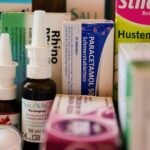
Medications control reflux. They do not cure it. That distinction matters when you are deciding how long to stay on them.
Three categories are commonly used:
| Type | Examples | How it works | Best for |
|---|---|---|---|
| Antacids | Calcium carbonate, magnesium hydroxide | Neutralizes acid already in the stomach | Occasional, mild symptoms |
| H2 blockers | Famotidine, cimetidine | Reduces acid production | Mild to moderate, intermittent symptoms |
| Proton pump inhibitors | Omeprazole, esomeprazole, pantoprazole | Blocks the acid pumps in stomach cells | Frequent symptoms, erosive esophagitis, Barrett’s esophagus |
Proton pump inhibitors are the most effective acid-suppressing drugs available and are considered first-line therapy for GERD with esophageal damage. They work best when taken 30 to 60 minutes before the first meal of the day. They are not meant to be started and stopped casually, and they are not meant to be taken indefinitely without periodic review.
Long-term use is appropriate for some people and not for others. If you have been on a proton pump inhibitor for more than a year, that is a conversation worth having with a clinician, not a decision to make on your own. Stopping abruptly can cause rebound acid hypersecretion, a temporary spike in acid that makes symptoms worse than before.




When Is Surgery or a Procedure Worth Considering?
Surgery is not a first step. It is considered when medications fail to control symptoms, when someone cannot tolerate long-term medication, or when there is a structural problem that will not respond to lifestyle changes.
The most established operation is fundoplication, in which the top of the stomach is wrapped around the lower esophagus to reinforce the valve. It has been performed for decades and can reduce or eliminate reflux in carefully selected patients. It is not risk-free, and results vary. Some people still need medication afterward.
Newer endoscopic procedures exist that tighten or reshape the valve through the mouth without external incisions. These are less invasive, but the evidence base is smaller and long-term outcomes are less established than for fundoplication. They are not appropriate for everyone.
If you are considering any procedure, ask specifically about the success rate at your hospital, the rate of side effects like difficulty swallowing, and what happens if it does not work.
What Happens If Reflux Goes Untreated?
Occasional reflux is uncomfortable but not dangerous. Chronic, poorly controlled reflux is a different situation.
Persistent acid exposure can cause esophagitis, an inflammation of the esophageal lining that in some cases leads to bleeding or narrowing. Over years, it can cause Barrett’s esophagus, a change in the cells lining the esophagus that carries an increased risk of esophageal cancer. That progression is uncommon, and most people with reflux never develop it, but it is the reason chronic symptoms deserve medical attention rather than indefinite self-treatment.
See a clinician if you have:
- Difficulty swallowing or food getting stuck
- Unintentional weight loss
- Vomiting blood or passing black stools
- Chest pain, especially with shortness of breath or pain radiating to the arm or jaw
- Symptoms that persist despite weeks of appropriate treatment
Chest pain can be a heart attack, not reflux. If there is any doubt, treat it as an emergency.
Which Lifestyle Changes Have the Strongest Evidence?
Not all reflux advice is equally supported. Some is well-established, some is reasonable but unproven, and some is marketing.
Strong evidence supports weight loss, head-of-bed elevation, and avoiding meals close to bedtime. Smoking cessation is well-established for reducing reflux and improving overall esophageal health.
Moderate evidence supports reducing meal size and identifying personal trigger foods. The trigger food list is genuinely individual. Cutting out every possible trigger at once is unnecessary and often unsustainable.
Weak or mixed evidence surrounds many popular remedies. Chewing gum after meals increases saliva and may help clear acid, though the effect is modest. Herbal supplements marketed for reflux have not been confirmed in large human trials. Alkaline water is often promoted but has not been shown to resolve reflux.
What is not supported: sleeping on extra pillows (this bends the torso and can worsen reflux), drinking milk to soothe symptoms (it temporarily neutralizes acid but can trigger more acid production afterward), and relying on “natural” products that have no clinical evidence behind them.
Frequently Asked Questions
Can acid reflux be cured permanently?
It can be permanently resolved in some people, especially when a reversible cause like excess weight, pregnancy, or a specific trigger is addressed. When reflux is caused by a structural problem, it can usually be well controlled but not cured without surgery.
How long does it take to get rid of acid reflux?
Lifestyle changes like head-of-bed elevation and meal timing can reduce symptoms within days to weeks. Weight loss takes longer, and improvement typically follows gradually as weight comes down.
What foods should I avoid for acid reflux?
Common triggers include chocolate, mint, fried foods, tomato, citrus, coffee, and alcohol, but reactions are individual. A food diary is more useful than eliminating everything at once.
Is acid reflux ever a sign of something more serious?
Yes. Difficulty swallowing, unintentional weight loss, vomiting blood, or black stools warrant prompt medical evaluation. Chest pain should be treated as a possible heart problem until a clinician says otherwise.
