
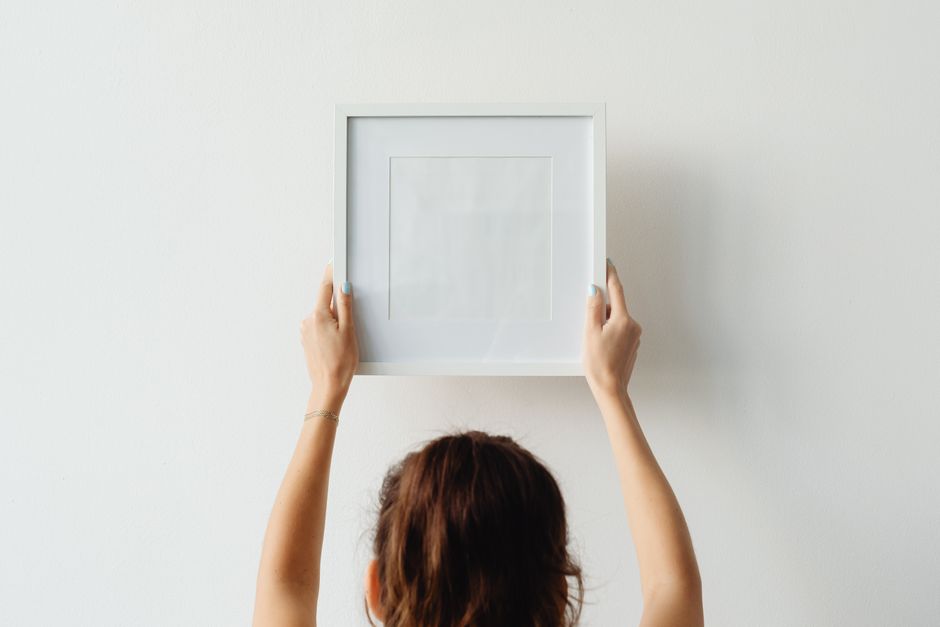
Hanging a picture above a crib is safe if you change one thing: skip the glass and hang the art flat against the wall. A framed print with a glass pane and a wire hanger is the real hazard, not the picture itself. Use a lightweight canvas, wood plaque, or fabric wall hanging, attach it with adhesive strips or a French cleat rated well above the item’s weight, and place the crib so the baby cannot reach up and grab the bottom edge.
Why Is Glass the Biggest Risk Above a Crib?
Glass is the part that turns a harmless decoration into a cutting hazard. If a frame falls, the glass can shatter into sharp pieces that land in the sleep space. That is the scenario parents are actually trying to avoid.
Most picture frames sold in stores use standard glass, not safety glass. Standard glass breaks into jagged shards. Tempered glass, the kind used in car windows and shower doors, breaks into small rounded pieces instead. Some frames are labeled as using tempered or acrylic glazing. Acrylic, often sold as Plexiglas, does not shatter the same way glass does, though it can crack.
The simplest fix is to remove glass from the equation entirely. Canvas prints, wood signs, fabric banners, and lightweight posters have no glazing to break. If you already own a framed print you love, you can sometimes have the glass swapped for acrylic at a framing shop.
There is a second reason glass matters. A glass frame is heavier than a canvas of the same size. More weight means a harder fall and a bigger demand on whatever is holding it to the wall.
How Heavy Is Too Heavy for Wall Art Above a Crib?
Weight is the deciding factor in how you attach the art, not just whether you can. Lightweight items can be held with adhesive strips. Heavier items need hardware anchored into the wall.
As a general guide, items under a few pounds can often be secured with quality adhesive strips, while anything heavier should use screws or anchors rated for more than the item weighs. Always check the rating printed on the product packaging rather than guessing.
Here is the part many people get wrong. The rating on a hook or strip usually refers to a static load, meaning the item sitting still. A baby’s room involves vibration, bumped walls, and the occasional tug. Choose hardware rated for several times the weight of the art. The extra margin is your safety buffer.
Manufacturers print weight limits on adhesive strips and picture hangers. Read them. A strip rated for a specific weight is tested under controlled conditions on a clean, smooth, painted surface. Textured walls, fresh paint, and dusty surfaces can reduce how well adhesives hold.
What Is the Safest Way To Attach Art to the Wall?
Adhesive strips and wall anchors are the two main options, and each suits a different situation. The right choice depends on your wall type and the weight of the piece.
Adhesive strips
These work well for lightweight, flat-backed items on smooth painted walls. They leave no holes. The catch is that they can fail if the surface is dirty, textured, or freshly painted. Follow the package instructions on surface prep and cure time. Many brands recommend waiting before hanging anything, and that waiting period matters.
Anchors and screws
For anything heavier, or for walls where you want a permanent hold, use wall anchors. Drywall anchors spread the load inside the wall. Stud-mounted screws are the strongest option when a stud lines up with where you want the art.
Whichever you choose, two habits make a real difference:
- Pull gently on the mounted piece to test it before you trust it.
- Recheck the mount every few weeks. Adhesives can loosen over time, especially in humid rooms.
Some parents hang art on a picture rail or a wall shelf instead of the wall itself. Both can work, but the same weight and reach rules apply.





Where Should the Crib Go Relative to the Art?
Position is as important as the hardware. The goal is to keep the art out of reach and out of the fall zone.
Place the crib so that a standing baby cannot grab the bottom edge of the frame. A baby who can pull to stand can reach higher than most parents expect. If the art is directly above the crib, the safest setup is to hang it high enough that even a standing child cannot touch it, and to keep the crib itself pulled slightly away from that wall.
If you can, hang the art on a different wall entirely. A picture on the wall beside the crib, rather than above it, removes the fall-into-the-crib risk almost completely. This is the single easiest safety upgrade.
Also consider what else is nearby. Curtain cords, blinds, and monitor cables are separate hazards in the same zone. Keep art away from anything a child could climb or pull.
What Should You Avoid Hanging Above a Crib?
Some items are better left off that wall. Anything that can fall and hurt a child deserves a second look.
- Glass-framed pictures and mirrors.
- Heavy wooden or metal frames.
- Shelves holding books, toys, or decor that could be pulled down.
- Anything with a long cord, ribbon, or string a baby could reach.
- Items hung with a single nail and no anchor.
A mirror deserves special mention. Even a lightweight mirror can break, and the pieces are sharp. If you want a mirror in the nursery, mount it on a wall the crib does not touch, and use hardware rated well above its weight.
This is also a good moment to check the crib itself. The US Consumer Product Safety Commission sets standards for cribs, including slat spacing and hardware, and full-size cribs sold in the US must meet them. Art is only one piece of a safe sleep setup.
Does the Type of Wall Change Your Approach?
Wall material affects how well hardware holds. Drywall is common in modern homes and needs anchors for anything beyond light weight. Plaster walls are denser and can hold screws well but may crack if you drill carelessly. Brick and concrete require masonry bits and specific anchors.
If you rent and cannot make holes, adhesive strips are the usual answer, but they limit you to lightweight items. A large glass frame is not a good candidate for adhesive mounting on any wall.
When in doubt, choose a lighter piece. A canvas print weighs far less than a glass frame of the same size, and it removes the shatter risk at the same time.
How Do You Check the Hang After It Is Up?
A mount is not a one-time task. Test it, then keep an eye on it.
Give the piece a gentle tug after hanging. If it shifts, wobbles, or feels loose, redo it before you walk away. Check the mount every few weeks, and any time you notice the art has moved. Humid rooms and temperature swings can affect adhesives over time.
Reassess as your baby grows. A newborn cannot reach the wall. A cruising toddler can. What was safe at three months may not be safe at twelve. Recheck the reach distance as your child becomes more mobile.
Frequently Asked Questions
Is it safe to hang a picture above a crib?
It can be safe if the art is lightweight, has no glass, and is mounted securely out of a standing baby’s reach. The safest option is to hang art on a wall the crib does not touch.
What is the safest way to hang art in a nursery?
Use lightweight, glass-free pieces and attach them with hardware rated for several times their weight. Adhesive strips suit light items on smooth walls, while anchors or stud screws suit heavier pieces.
Can I hang a glass-framed picture above a crib?
Glass is the main hazard because it can shatter into sharp pieces if the frame falls. Choosing canvas, wood, or acrylic instead removes that risk.
How high should art be above a crib?
Hang it high enough that a standing baby cannot grab the bottom edge, and keep the crib slightly away from that wall. There is no single number, since it depends on your child’s height and the crib’s position.
