
You cannot get rid of a tooth infection at home. A true tooth infection — where bacteria have reached the pulp or the bone around the root — does not resolve with salt water, oil pulling, garlic, or antibiotics alone. It needs a dentist to remove the source. What you can do naturally is manage pain and swelling until you get care, and understand which warning signs mean you cannot wait.
This matters because dental infections can spread. The mouth sits close to the brain, the airway, and major blood vessels. An untreated infection can travel into the jaw, the floor of the mouth, or the bloodstream. That is why “natural” treatment for a tooth infection is a temporary bridge, not a solution.
What Actually Causes A Tooth Infection?
A tooth infection starts when bacteria get past the hard outer enamel and reach the soft pulp inside the tooth. The pulp holds nerves and blood vessels. Once bacteria arrive, the body sends immune cells to fight them, and that battle causes the throbbing pain and pressure people associate with an infected tooth.
The most common route is a deep cavity. Untreated decay hollows out the tooth until it opens into the pulp. A cracked or broken tooth does the same. So does gum disease that has advanced far enough to expose the root. In each case the trigger is the same: a pathway for bacteria to reach tissue that is supposed to be sealed off.
Once infected, the pulp cannot heal on its own. It has almost no blood supply to bring in immune defenses, and it sits inside a rigid chamber. As pressure builds, the infection pushes outward through the root tip into the surrounding bone. That is when you may see a gum boil, facial swelling, or a bad taste. The infection is now in the bone, not just the tooth.
How To Get Rid Of A Tooth Infection Naturally: What Home Care Can And Cannot Do
No home remedy removes an established tooth infection. The evidence is clear on this point, and it is worth stating plainly: nothing you do at the sink reaches the bacteria sealed inside the tooth or the bone around it. Home care can ease symptoms and support general health. It cannot cure the problem.
What home measures can realistically do:
- Reduce pain and swelling while you wait for a dental appointment.
- Keep the area clean so you do not add new bacteria to already inflamed tissue.
- Support your body’s general immune function through sleep, hydration, and nutrition.
What they cannot do:
- Kill bacteria inside the pulp chamber or root canal.
- Drain an abscess or remove dead tissue.
- Replace the need for a dentist to open, clean, and seal the tooth.
A salt water rinse is the most reasonable home measure. Dissolving about half a teaspoon of salt in a glass of warm water and rinsing gently several times a day can soothe irritated gums and help clear debris. It will not sterilize an infection. Some people find clove oil eases pain; it contains eugenol, which has a numbing effect. It should be diluted and used sparingly, and it is not a treatment. Oil pulling — swishing coconut or sesame oil — has been studied for gum health with mixed and generally weak results. No clinical evidence confirms it treats a tooth infection.
One clarification worth knowing: antibiotics are not a natural remedy, but people often assume they cure a tooth infection the way they cure strep throat. They do not. Dentists prescribe antibiotics to control the spread of infection in certain cases, but the drug cannot reach the dead, sealed-off pulp. The tooth still needs physical treatment. This is why a course of antibiotics alone often brings temporary relief followed by a return of symptoms.
Which Symptoms Mean You Cannot Wait?
Some signs mean the infection is spreading beyond the tooth, and that is a medical urgency. Seek care the same day — go to an emergency room if a dentist is not available — if you have any of the following:
- Swelling that reaches your eye, cheek, jaw, or neck.
- Difficulty swallowing, a muffled voice, or trouble opening your mouth.
- Difficulty breathing, or a feeling that your throat is closing.
- Fever with facial swelling.
- Swelling that is firm, hot, and spreading quickly.
These signs suggest the infection may be moving into deeper tissue spaces. Swelling that pushes into the floor of the mouth or the throat can narrow the airway. That is a genuine emergency, not a reason to try another home remedy. Dental infections that spread can, in rare cases, become life-threatening.
Less urgent but still important: pain that wakes you at night, a persistent bad taste, a visible pus-filled bump on the gum, or a tooth that feels raised and tender when you bite. These point to an abscess that needs professional drainage and treatment.



What Does A Dentist Actually Do For An Infected Tooth?
A dentist removes the source of infection. There are two main paths, and which one applies depends on whether the tooth can be saved.
If the tooth is salvageable, the standard treatment is a root canal. The dentist opens the tooth, removes the infected pulp, cleans and shapes the canal space, and seals it. This removes the bacteria’s home and lets the surrounding bone heal. A crown often follows to protect the tooth. Root canal treatment has a strong record of success and is generally far less painful than the infection itself.
If the tooth is too damaged to save, extraction is the answer. Removing the tooth removes the infection source. The dentist may also drain an abscess to relieve pressure. Antibiotics may be prescribed alongside these steps when the infection has spread or the person has certain health conditions, but they support the procedure rather than replace it.
Waiting has a cost. An infection that sits for weeks or months can destroy more bone around the root, which can make a later root canal harder or make saving the tooth impossible. It can also spread. The earlier the treatment, the more options remain.
Can You Prevent A Tooth Infection In The First Place?
Most tooth infections begin as cavities that were never treated, so prevention is largely about stopping decay and catching problems early. This part is well established.
- Brush twice a day with a fluoride toothpaste. Fluoride strengthens enamel and helps reverse early decay.
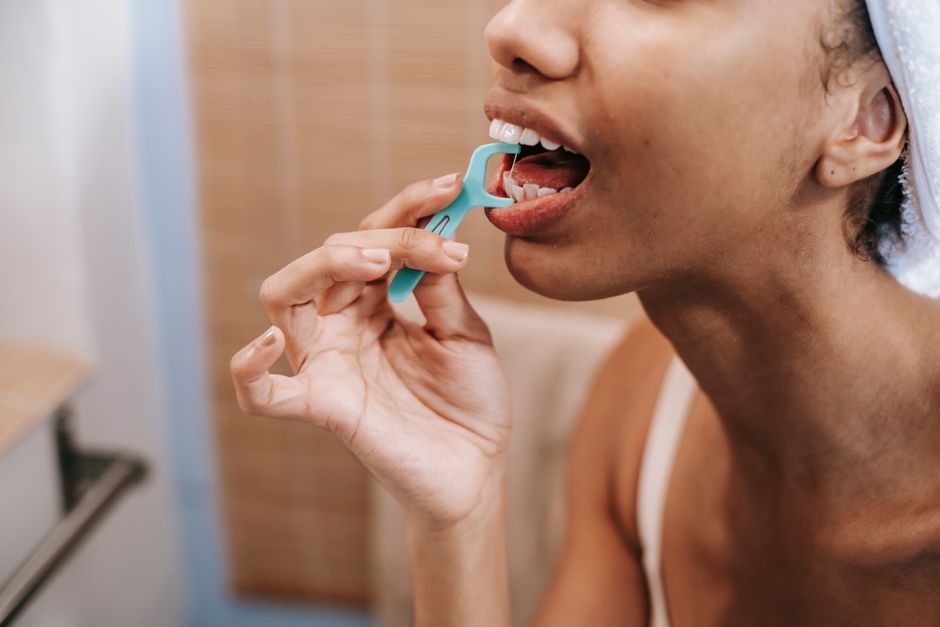
- Clean between teeth daily with floss or another interdental tool. Decay often starts where a brush cannot reach.
- Limit frequent sugar exposure. It is not just how much sugar you eat but how often your teeth are exposed to it.
- See a dentist for regular checkups. Small cavities are cheap and easy to fix. Infected teeth are not.
- Do not ignore a cracked or broken tooth. A break is an open door for bacteria.
Drinking water that contains fluoride, where available, also supports enamel health. None of this is dramatic, but it is the difference between a filling and a root canal.
The Bottom Line On Natural Tooth Infection Treatment
Home remedies can make you more comfortable while you arrange dental care. They cannot cure a tooth infection, and treating them as a cure risks the infection spreading into your jaw, neck, or bloodstream. The honest position is that a tooth infection is a dental problem with a dental solution.
Use salt water rinses and over-the-counter pain relief as needed. Avoid chewing on the sore side. Do not place aspirin directly on the gum — it can burn tissue. And do not wait out swelling or fever. Get to a dentist, and go to an emergency room if the swelling reaches your eye, jaw, or neck or affects your breathing or swallowing.
Frequently Asked Questions
Can a tooth infection go away on its own?
No. Once bacteria reach the pulp or the bone around the root, the body cannot clear the infection without help. The tooth needs professional treatment such as a root canal or extraction.
Does salt water or oil pulling cure a tooth infection?
No. Salt water can soothe irritated gums and oil pulling has been studied for gum health with weak and mixed results, but neither reaches bacteria sealed inside the tooth. No clinical evidence confirms either cures an infection.
Will antibiotics alone fix an infected tooth?
No. Antibiotics may help control the spread of infection, but they cannot reach the dead, sealed-off pulp. The tooth still needs a dentist to remove the source.
When should I go to the emergency room for a tooth infection?
Go the same day if swelling reaches your eye, cheek, jaw, or neck, or if you have trouble breathing or swallowing, a muffled voice, or fever with facial swelling. These signs suggest the infection is spreading into deeper tissue.
