
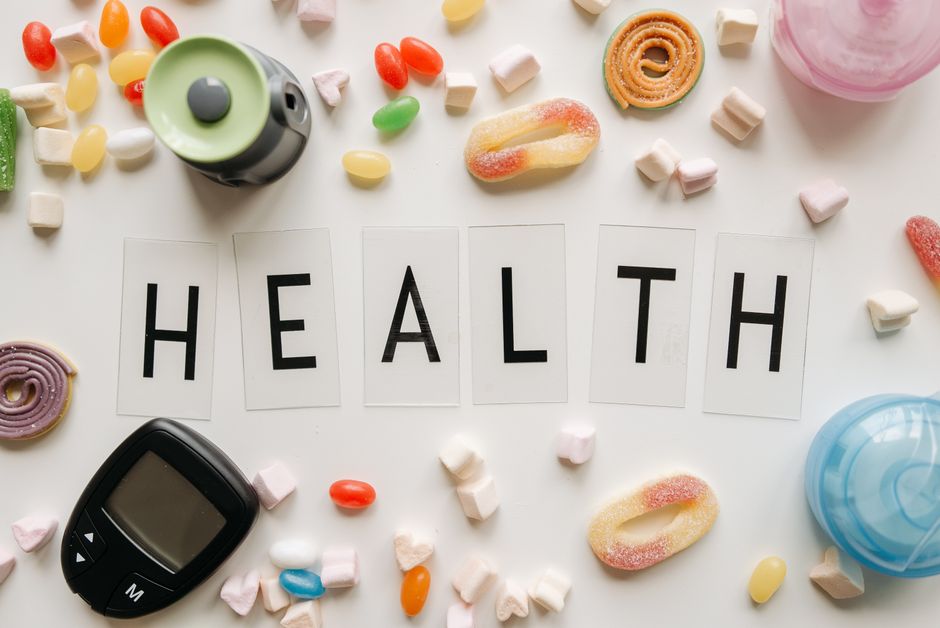
Quitting sugar is less about willpower and more about understanding how your brain and body respond to it. Sugar triggers reward pathways in the brain that can create cravings similar to other substances, but it is not an addiction in the clinical sense for most people. The most effective way to break the cycle is a gradual reduction over 2 to 3 weeks, combined with replacing sugary foods with protein, fiber, and healthy fats to stabilize blood sugar. This approach reduces cravings naturally and makes the habit change sustainable, rather than relying on a sudden “cold turkey” method that often leads to relapse.
Why Sugar Feels Addictive
Sugar activates the brain’s reward system, releasing dopamine. This is the same chemical involved in motivation and pleasure. When you eat sugar regularly, your brain starts to expect that reward. Over time, you need more sugar to get the same feeling, which is called tolerance.
This is not the same as a chemical addiction like nicotine or opioids. The term “sugar addiction” is popular in media, but clinical guidelines do not classify sugar as an addictive substance. However, the behavioral patterns can look similar. You may crave sugar, eat it despite wanting to cut back, and feel irritable when you stop. These are real symptoms, even if the mechanism is not a classic addiction.
Understanding this distinction matters. If you view sugar as a poison or a drug, you may feel defeated when cravings hit. If you view it as a habit your brain has learned, you can retrain it with consistent behavior changes.
How To Get Rid Of A Sugar Addiction For Good: The Practical Plan
Start by tracking what you eat for three days. Do not change anything yet. Just write down every food and drink. Most people are surprised by where sugar hides. It is not just desserts and soda. It is in bread, pasta sauce, yogurt, salad dressing, and breakfast cereal.
After three days, you will see your baseline. Then begin reducing, not eliminating. If you drink three sodas a day, go to two for the first week. If you add two teaspoons of sugar to coffee, drop to one. This gradual approach prevents the intense withdrawal headaches and irritability that happen when you stop suddenly.
At the same time, add more protein and fiber to every meal. Eggs, chicken, beans, lentils, nuts, and vegetables slow down digestion. This keeps blood sugar steady, which directly reduces cravings. A breakfast of toast and orange juice will spike your blood sugar and drop it quickly, making you crave sugar by mid-morning. A breakfast of eggs and vegetables will not.
Do not replace sugar with artificial sweeteners. Research on artificial sweeteners is mixed. Some studies suggest they may still trigger insulin responses or keep your sweet preference active. The goal is to reduce your overall sweet taste threshold, not just swap one sweetener for another.
What Happens To Your Body When You Cut Sugar
The first 3 to 5 days are usually the hardest. You may feel tired, irritable, and have headaches. This is partly due to blood sugar fluctuations and partly because your brain is adjusting to lower dopamine levels. These symptoms are temporary. Most people report significant improvement by day 7.
By week 2, cravings typically drop noticeably. Your taste buds begin to change. Foods that tasted normal before, like a ripe banana or plain yogurt, may taste sweeter. This is a sign your sensitivity is returning.
By week 3 to 4, the habit loop weakens. You may still think about sugar occasionally, but the intense urge is gone. This is when the “for good” part becomes realistic. The goal is not to never eat sugar again. The goal is to make sugar a choice, not a compulsion.





What To Do When A Craving Hits
Cravings usually last 10 to 20 minutes. They pass whether you eat sugar or not. The trick is to ride out that window without giving in.
Drink a large glass of water first. Dehydration can mimic hunger and cravings. Wait five minutes. If the craving persists, eat something salty or savory instead. A handful of nuts, a slice of cheese, or a hard-boiled egg. Protein and fat are more satisfying than carbohydrate snacks and do not spike blood sugar.
Go for a short walk. Movement changes blood flow and releases endorphins, which can reduce the urge. Even five minutes of walking around your house or office helps.
Do not keep trigger foods in your home. If a half-eaten chocolate bar is in the pantry, you will eat it eventually. Throw it away or give it away. You are not wasting food; you are removing a known trigger from your environment.
Sleep, Stress, and Sugar: The Hidden Connection
Poor sleep drives sugar cravings. When you are sleep-deprived, your body produces more ghrelin, the hunger hormone, and less leptin, the fullness hormone. This makes you hungrier and more likely to reach for quick energy. Studies consistently show that people who sleep fewer than 7 hours per night eat more sugar and refined carbohydrates.
Stress has the same effect. Cortisol, the stress hormone, increases blood sugar and insulin. When stress is chronic, your body craves quick energy to manage the demand. This is a biological response, not a character flaw.
Addressing sleep and stress is not optional. You can have the perfect meal plan, but if you are sleeping 5 hours a night and managing constant stress, cravings will persist. Prioritize 7 to 9 hours of sleep. For stress, even 10 minutes of deep breathing or a walk outdoors can lower cortisol enough to reduce cravings.
Are Sugar Substitutes A Good Option?
This depends on the substitute. Stevia and monk fruit are plant-based sweeteners that do not raise blood sugar. Some research suggests they can help with weight management when used to replace sugar. But they do not retrain your taste buds. If you use them heavily, you keep your sweet preference active.
Sugar alcohols like erythritol and xylitol have fewer calories and do not spike blood sugar as much as regular sugar. However, they can cause digestive issues like bloating and diarrhea in some people, especially at higher amounts.
The evidence on aspartame and sucralose is mixed. Some studies raise concerns about gut bacteria changes and insulin response. Other studies find no significant harm at normal intake levels. The safest approach is to use any sweetener sparingly and focus on reducing overall sweetness in your diet.
If you want to satisfy a sweet tooth without sugar, whole fruit is the best option. Fruit contains fiber, vitamins, and water. The fiber slows sugar absorption, preventing the spike and crash that processed sugar causes. A bowl of berries or an apple with peanut butter is a genuinely better choice than a diet soda or a sugar-free candy.
How Long Does It Take To Break A Sugar Habit?
There is no single timeline that applies to everyone. Research on habit formation suggests it takes an average of 66 days for a new behavior to become automatic, but this varies widely. Some people feel better within a week. Others take two months before cravings subside.
What matters more than the exact number is consistency. Missing one day does not undo your progress. Missing three days in a row starts to re-establish the old pattern. If you slip, do not use it as an excuse to give up. The next meal is a new chance to make a different choice.
For most people, the first month is the hardest. After that, the effort required drops. You are not fighting the same battle in month three that you fought in week one. The cravings are weaker, and your new habits feel more normal.
When To Seek Professional Help
If you find that sugar cravings are uncontrollable, or if you are binge eating large amounts of sweets regularly, talk to a doctor or a registered dietitian. This may be a sign of an eating disorder or a metabolic condition like prediabetes or insulin resistance.
A blood test can check your fasting glucose and hemoglobin A1c. These tests show how well your body handles sugar over time. If your fasting glucose is above 99 mg/dL or your A1c is above 5.6 percent, you may be in a prediabetic range. This does not mean you are doomed, but it does mean dietary changes are more urgent.
A dietitian can help you build a meal plan that works with your preferences and lifestyle. This is not a sign of failure. It is a practical step for people who have tried to change on their own and not succeeded.
Frequently Asked Questions
Is sugar actually addictive like drugs?
No. Clinical guidelines do not classify sugar as an addictive substance. Sugar activates reward pathways in the brain, which can create strong habits and cravings, but the mechanism is different from chemical addiction to drugs or alcohol.
How long does it take to stop craving sugar?
Most people notice a significant drop in cravings after 1 to 2 weeks of consistent reduction. Full habit change typically takes about 2 months, but this varies from person to person.
Can I eat fruit if I am trying to quit sugar?
Yes. Whole fruit is a healthy choice because it contains fiber, which slows sugar absorption. The sugar in fruit is naturally occurring and comes with vitamins and water, unlike processed sugar in desserts and drinks.
What is the best snack to replace a sugar craving?
A snack with protein and fat, like nuts, cheese, or a hard-boiled egg, is the most effective replacement. These foods stabilize blood sugar and keep you full, which directly reduces the urge for something sweet.
