
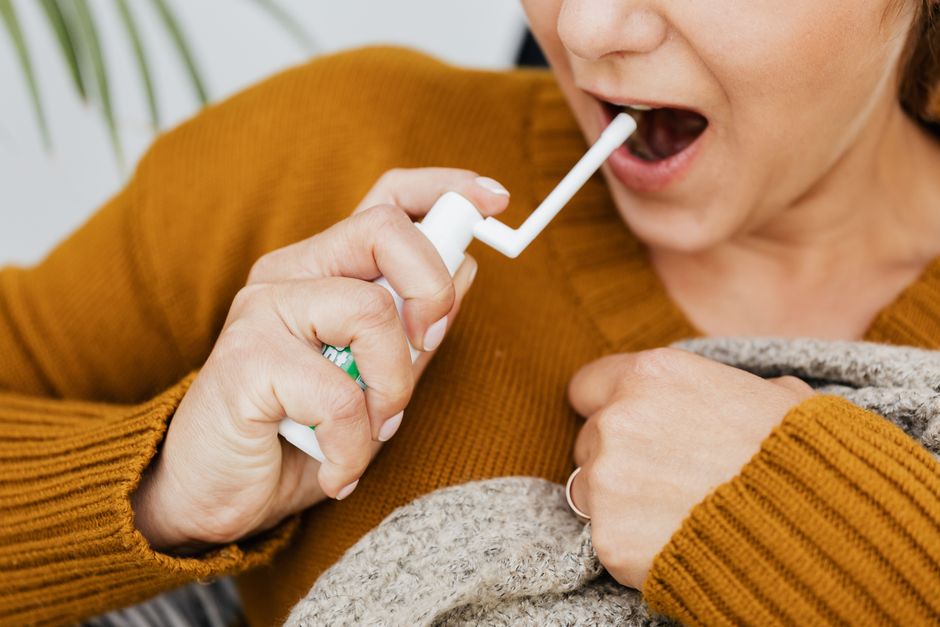
A sore throat from vaping is common, and it usually clears up within a few days once you stop vaping and care for your throat. The most direct answer is to pause vaping, hydrate frequently, and use warm salt water gargles to soothe the irritation. If the pain is severe, lasts more than a week, or comes with a fever, see a doctor rather than trying more home remedies.
Why Does Vaping Cause a Sore Throat?
Vaping irritates the throat in a few direct ways. The aerosol is not water vapor; it is a mix of propylene glycol, vegetable glycerin, nicotine, and flavorings. These substances can dry out the mucosal lining of your throat, which is the protective layer that keeps tissue moist and comfortable.
Propylene glycol is a known throat irritant. It draws moisture out of the cells in your mouth and throat. When that lining gets dry, it becomes raw and sensitive. The heat of the vapor adds to the problem. Even at lower wattage settings, the aerosol is warmer than the tissue it touches, and repeated exposure can cause inflammation.
Nicotine also plays a role. It constricts blood vessels, which reduces blood flow to the throat tissue. That slows down the natural repair process. If you vape frequently, the tissue never gets a real break, so the irritation builds up instead of healing.
How To Get Rid Of A Sore Throat From Vaping
The fastest way to help your throat recover is to stop vaping for a few days. This gives the irritated tissue time to rehydrate and repair. If you cannot stop completely, reducing how often you vape will still help, but the healing will be slower.
Hydration is the next most important step. Drink water throughout the day, not just when your throat feels dry. Warm liquids like tea with honey or plain warm water can be soothing. Avoid caffeinated drinks in excess because caffeine can contribute to dehydration.
Salt water gargles are a simple and effective home remedy. Mix half a teaspoon of salt into a glass of warm water and gargle for 15 to 30 seconds. Spit it out afterward. You can do this a few times a day. The salt helps draw fluid out of inflamed tissue, which can reduce swelling and ease discomfort.
Lozenges or hard candies can also help by stimulating saliva production. Saliva keeps the throat moist and helps wash away irritants. Look for lozenges with soothing ingredients like menthol or benzocaine, but do not use them continuously for more than a few days without checking with a pharmacist or doctor.
What To Avoid While Your Throat Heals
Some things will make the irritation worse even if they feel soothing at first. Spicy foods, acidic drinks like orange juice, and very hot beverages can all irritate an already inflamed throat. Alcohol is also a problem because it dries out the throat further.
Smoking or vaping anything during the healing period will slow recovery. The same irritants that caused the problem will keep it going. If you are using vaping to quit smoking, this is a difficult trade-off, and it is worth talking to a healthcare provider about nicotine replacement options like patches or gum.
Dry air can also prolong the problem. If your home or workplace has low humidity, especially in winter, a cool-mist humidifier in the room where you sleep can help keep your throat from drying out overnight.





When a Sore Throat Is Not Just From Vaping
Vaping can cause throat irritation, but it can also mask or worsen other conditions. A sore throat from a viral infection like a cold or flu will feel similar. If you have a fever, body aches, or swollen glands, you likely have an infection, not just irritation from vaping.
Acid reflux is another common cause of throat pain that people often mistake for vaping irritation. Stomach acid can travel up into the throat, especially at night, and cause a raw, burning sensation. If your throat hurts most in the morning or after lying down, reflux may be the real issue.
In rare cases, persistent throat pain can be a sign of a more serious condition. If your voice changes, you have trouble swallowing, or you feel a lump in your throat that does not go away, see a doctor. These symptoms warrant a proper evaluation rather than home treatment.
Does Switching to Lower Nicotine Help?
Lowering nicotine strength can reduce some of the irritation. Nicotine is a vasoconstrictor, meaning it narrows blood vessels and reduces blood flow. Less nicotine means less of that effect, so the throat tissue can heal more easily.
However, the other ingredients still cause irritation. Propylene glycol and flavorings are irritants on their own, even without nicotine. Some people switch to higher vegetable glycerin ratios or nicotine-free liquids and still get sore throats. The evidence here is mostly anecdotal, but it points to the same conclusion: the aerosol itself is the problem, not just one ingredient.
If you choose to keep vaping, consider lowering your device’s wattage or temperature. Cooler vapor is less irritating to the throat. Taking shorter puffs and giving your throat breaks between sessions also helps. None of these changes guarantee comfort, but they can reduce the intensity of the irritation.
Can You Keep Vaping and Still Heal?
Partially, but not fully. You can reduce the severity of the irritation by staying very hydrated, using lozenges, and taking breaks. But as long as the irritant is still hitting the tissue, the throat will not fully recover. The lining needs time without exposure to heal completely.
Some people find that the sore throat goes away after a few weeks of vaping as their throat adapts. This is real, but it is not the same as healing. The tissue becomes less reactive, but the underlying irritation and inflammation are still present. This adaptation can also hide worsening damage over time.
If your sore throat comes back every time you vape, that is a sign your throat is not tolerating the aerosol. Continuing to vape despite repeated sore throats increases the risk of chronic inflammation. Chronic inflammation in the throat and airways is a known risk factor for more serious conditions, though the long-term effects of vaping are still being studied.
When To See a Doctor
See a doctor if the sore throat lasts more than a week without improving. Also seek medical care if you have a fever above 100.4°F, difficulty swallowing, or white patches on your tonsils. These can be signs of a bacterial infection like strep throat, which requires antibiotics.
Shortness of breath, wheezing, or chest pain are more serious symptoms. These are not typical for a simple sore throat from vaping and need urgent evaluation. Coughing up blood is another red flag. Do not wait to see if these symptoms improve on their own.
If you have a history of asthma or other lung conditions, vaping can trigger more severe reactions. Talk to your doctor about whether vaping is safe for you at all. The same goes for pregnancy. No level of vaping is considered safe during pregnancy, and throat irritation is the least of the concerns in that situation.
Frequently Asked Questions
How long does a vaping sore throat last?
Most vaping-related sore throats improve within 2 to 4 days after you stop vaping and start hydrating. If it lasts more than a week, see a doctor to rule out infection or another cause.
Can I vape with a sore throat?
You can, but it will likely make the sore throat worse and slow healing. The irritants in the aerosol will continue to damage the already inflamed tissue.
Does drinking water help a vaping sore throat?
Yes, water helps by keeping the throat moist and supporting the natural repair of irritated tissue. Drink water regularly throughout the day rather than gulping large amounts at once.
Is a sore throat from vaping dangerous?
Usually not, but persistent sore throats, fever, difficulty swallowing, or shortness of breath are warning signs. These symptoms require medical evaluation rather than home treatment.
