
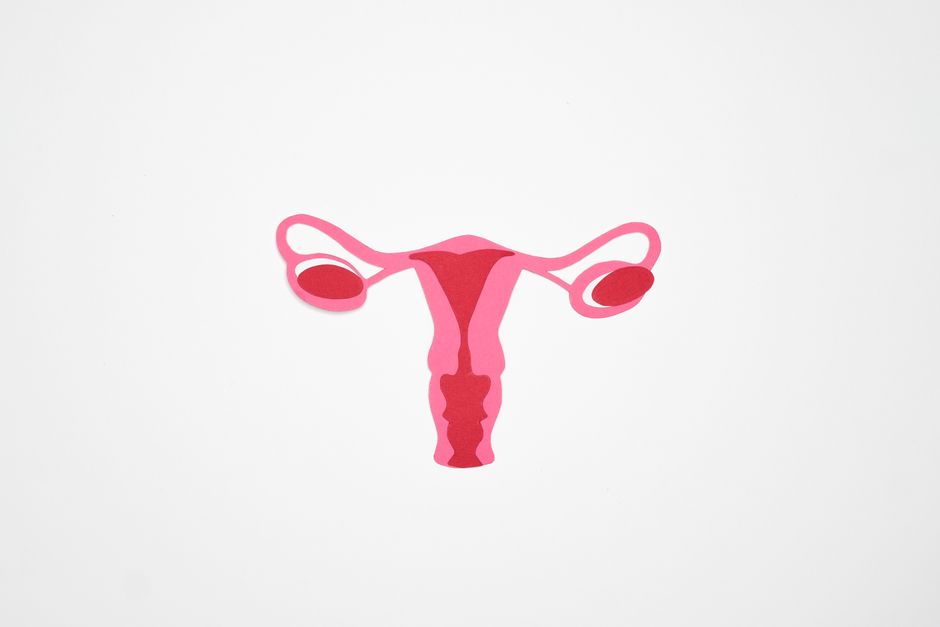
Yes, ovaries produce testosterone. They are not just estrogen factories. The ovaries and the adrenal glands both make androgens, the hormone family that includes testosterone, and the ovaries are a meaningful source of testosterone in women of all ages. This surprises many people, because testosterone is usually described as a male hormone. In reality it is a normal, necessary hormone in women, and the ovaries are one of the places it comes from.
Do Ovaries Produce Testosterone How It Works
The ovaries produce testosterone through a two-cell process that also makes estrogen. Understanding this shared pathway explains why the two hormones rise and fall together at certain life stages.
The ovary has two main working compartments. The theca cells, which sit in the outer layer, take up cholesterol and convert it into androgens, including testosterone and androstenedione. The granulosa cells, which surround the egg, then take those androgens and convert them into estrogen using an enzyme called aromatase. This division of labor is often called the two-cell, two-gonadotropin theory, and it is well established in reproductive endocrinology.
What this means in plain terms: testosterone is not a byproduct the ovary accidentally makes. It is an intermediate the ovary builds on purpose on its way to making estrogen. Some of it enters the bloodstream and circulates. Some stays in the ovary and gets converted.
The ovaries are not the only source. The adrenal glands, which sit on top of the kidneys, also produce androgens. In premenopausal women, the ovaries and adrenals each contribute to circulating testosterone. After menopause, when the ovaries stop releasing eggs and producing estrogen, they do not shut down completely. The ovarian stroma, the tissue left behind, can continue to produce androgens. This is one reason testosterone levels do not drop to zero after menopause.
How Much Testosterone Do Women Normally Have?
Women have far less testosterone than men, but the levels are not negligible. Normal ranges vary by lab, by age, and by the assay used, so a single number is less useful than the general picture.
In women of reproductive age, total testosterone typically falls in a low range compared with men — often described as roughly one-tenth to one-fifteenth of typical male levels. Free testosterone, the small fraction not bound to proteins, is what the body can actually use. Most testosterone in the blood is bound to a protein called sex hormone-binding globulin, or SHBG, with a smaller amount loosely bound to albumin.
Several things shift these numbers:
- Age — levels tend to decline gradually with age, though not as sharply as estrogen does at menopause
- Body weight — higher body fat is linked to changes in SHBG and in how testosterone is metabolized
- Insulin resistance — can lower SHBG and change the ratio of free to bound testosterone
- Medications — some, including certain contraceptives, raise SHBG and lower free testosterone
- Time of day — testosterone has a diurnal rhythm, generally higher in the morning
Because ranges differ between labs and assays, comparing a result from one lab to another can be misleading. A clinician interpreting a testosterone level usually looks at the whole picture: symptoms, other hormones, and the specific assay used.
What Does Testosterone Do in Women?
Testosterone in women contributes to several normal functions, though the precise role of each is still being studied. The evidence is strongest for some effects and weaker for others.
What is reasonably well established:
- Libido — androgens play a role in sexual desire, and low androgen levels are associated with reduced desire in some women
- Bone health — androgens contribute to bone density, working alongside estrogen
- Muscle and body composition — androgens influence muscle mass and where fat is stored
- Mood and energy — the relationship is real but complex, and not fully mapped
What is often overstated: the idea that testosterone is the single driver of female desire, or that boosting it will reliably fix low libido, fatigue, or mood problems. Those claims outrun the evidence. Testosterone is one factor among many, and the brain, relationship context, sleep, stress, and overall health all matter.
It is also worth being clear about a common mix-up. The adrenal glands and ovaries produce several androgens, not just testosterone. DHEA and androstenedione are also made, and the body can convert them into testosterone or estrogen in other tissues. So a “testosterone level” is only one snapshot of a broader androgen system.





What Happens to Testosterone After Menopause?
Testosterone does not disappear after menopause. This is a point that gets lost in most discussions, which focus almost entirely on estrogen.
When the ovaries stop cycling, estrogen production falls sharply. Testosterone production falls more gradually. The ovarian stroma and the adrenal glands continue to make androgens, and the body still converts some of them into estrogen in fat tissue and other sites. As a result, many postmenopausal women still have measurable testosterone, and the ratio of testosterone to estrogen shifts.
This shift is one reason some researchers have looked at whether androgen levels relate to symptoms like low desire or low energy after menopause. The findings are mixed. Some studies suggest a link between low androgen levels and reduced sexual function; others find weak or inconsistent relationships. The evidence does not support treating menopause as simply a testosterone deficiency.
Can Testosterone Levels Become Too High or Too Low?
Yes, and both directions can cause symptoms. The causes differ, and so does the approach to each.
High testosterone in women is most often linked to polycystic ovary syndrome, or PCOS, a common condition in which the ovaries produce excess androgens. Other causes include certain adrenal conditions and, rarely, androgen-producing tumors. Signs can include acne, excess facial or body hair, scalp hair thinning, and irregular periods. Because several conditions can produce these signs, a clinician usually runs tests to sort out the cause rather than assuming one diagnosis.
Low testosterone is harder to define. There is no universally accepted threshold for “low” testosterone in women, and symptoms like low libido, fatigue, and low mood have many possible causes. A low lab value alone does not confirm a deficiency, and a normal value does not rule out a problem. This is an area where the evidence is genuinely limited.
Testosterone therapy for women exists, but it is not a straightforward fix. In some countries, formulations are approved for specific uses such as treating low sexual desire after menopause, while in the United States there is no FDA-approved testosterone product labeled for women. When it is used, it is generally prescribed off-label by a clinician who monitors levels and side effects. The evidence supports benefit in some narrow situations and is weak or absent for others, including general fatigue or mood. Anyone considering it should discuss risks, including acne, unwanted hair growth, and effects on cholesterol and liver, with a qualified clinician.
Why the “Male Hormone” Label Is Misleading
Calling testosterone a male hormone is a habit, not a fact. Both sexes produce it, and both need it. The difference between men and women is one of degree, not of kind.
This matters for how people interpret their own health. A woman who hears that testosterone is a male hormone may assume any testosterone in her body is abnormal, or that a low level must be corrected. Neither is true. Testosterone is a normal part of female physiology, produced by the ovaries and adrenals, and its role is real but bounded.
The clearer way to think about it: the ovaries run a shared assembly line that makes both androgens and estrogens. Testosterone is a normal stop along that line. Its levels, its effects, and what to do about them are questions for a clinician who can look at the whole picture — not for a single number on a lab report.
Frequently Asked Questions
Do ovaries produce testosterone?
Yes. The theca cells of the ovary produce testosterone and other androgens as part of the normal pathway that also leads to estrogen. The adrenal glands contribute as well, so testosterone in women comes from more than one source.
Do women need testosterone?
Yes, testosterone is a normal hormone in women and contributes to libido, bone health, and body composition. It is not present by accident, and it is not only a male hormone.
Do testosterone levels drop after menopause?
They decline gradually rather than dropping to zero. The ovaries stop producing estrogen sharply at menopause, but the ovarian stroma and adrenal glands continue to make androgens, so many postmenopausal women still have measurable testosterone.
Is low testosterone in women a recognized diagnosis?
There is no universally accepted threshold for low testosterone in women, and symptoms like low libido or fatigue have many possible causes. A low lab value alone does not confirm a deficiency, so the diagnosis depends on the full clinical picture.
