
A callus blister is a fluid-filled pocket that forms on top of a callus, usually from friction. You can treat it safely at home by leaving the skin intact, protecting the area with a donut-shaped pad or moleskin, and letting the fluid reabsorb on its own. If the blister is large, painful, or at risk of bursting, you can drain it with a sterile needle, but leaving it alone is the safer choice for most people. The key is to keep the area clean, reduce pressure, and watch for signs of infection.
What Is a Callus Blister and Why Does It Form?
A callus is a thickened layer of dead skin that builds up in response to repeated pressure or friction. When the friction is sudden or intense, the layers of skin can separate and fill with fluid. That fluid is the blister.
Callus blisters most often appear on the feet, hands, or any area that gets repeated rubbing. Common causes include new shoes, long walks, manual labor, or using tools without gloves. The blister sits on top of the callus, which can make it feel deep and firm rather than soft and superficial.
Should You Pop a Callus Blister?
No. You should not pop a callus blister unless it is very large, painful, or likely to burst on its own. The intact skin is a natural sterile barrier. It keeps bacteria out and gives the new skin underneath time to form.
If you leave the blister alone, the fluid will reabsorb within a few days and the skin will dry and peel off. This is the lowest-risk option. Popping it opens a wound and increases your chance of infection, especially if you do not use sterile equipment or proper aftercare.
There is one exception. If the blister is so large that you cannot walk or use your hand normally, draining it may be the practical choice. But you must do it carefully and cleanly.
How To Drain a Callus Blister Safely
If you decide to drain the blister, follow these steps closely. Cleanliness is not optional here.
- Wash your hands and the blister area with soap and warm water.
- Swab the blister with rubbing alcohol or an antiseptic wipe.
- Use a sterile needle from a sealed package. Do not reuse a needle and do not use a safety pin.
- Puncture the blister at its edge, not the center. Make one small hole.
- Let the fluid drain on its own. Do not press or squeeze the blister.
- Apply antibiotic ointment and cover with a sterile bandage.
- Change the dressing daily and wash the area gently each time.
Leave the top layer of skin in place. It acts as a natural dressing. Removing it exposes raw skin and significantly increases infection risk.



How To Protect a Callus Blister While It Heals
Protection is the most important part of treatment. A blister heals fastest when it is not being rubbed or pressed.
Use a donut-shaped moleskin pad or a gel blister bandage. These create a cushion around the blister and keep pressure off the center. Cut the pad so the hole sits directly over the blister. This works better than a flat bandage, which still transfers pressure to the blister itself.
Change the dressing daily or whenever it gets wet or dirty. Keep the area dry between changes. Moisture softens the skin and makes it more likely to tear.
If the blister is on your foot, wear shoes that do not press on the area. Loosen laces if needed. If the blister is on your hand, avoid gripping the tool or object that caused it until it heals.
Signs of Infection You Should Not Ignore
Most callus blisters heal without problems. But infection can happen, and it needs medical attention.
Watch for these signs:
- Increasing redness around the blister
- Warmth spreading beyond the blister edge
- Pus that is thick, yellow, or green
- Red streaks moving up your arm or leg
- Fever or chills
- Pain that gets worse instead of better
If any of these appear, see a doctor. Do not wait to see if it improves on its own. Cellulitis can develop quickly and requires prescription antibiotics.
How Long Does a Callus Blister Take To Heal?
An unbroken callus blister usually heals in 3 to 7 days. The fluid reabsorbs, the skin dries, and the top layer peels off to reveal new skin underneath.
A drained blister may take slightly longer. The puncture site needs to close, and the new skin underneath still needs time to mature. Full healing can take up to two weeks in some cases.
If the blister becomes infected, healing time is unpredictable and depends on how quickly you start treatment. Do not assume a slow-healing blister is normal. If it has not improved after a week, or if it looks worse, get it checked.
How To Prevent Callus Blisters in the Future
Prevention comes down to reducing friction and managing the callus itself.
Wear shoes that fit properly. Shoes that are too tight create pressure. Shoes that are too loose create rubbing. Both cause blisters. Break in new shoes gradually rather than wearing them all day on the first try.
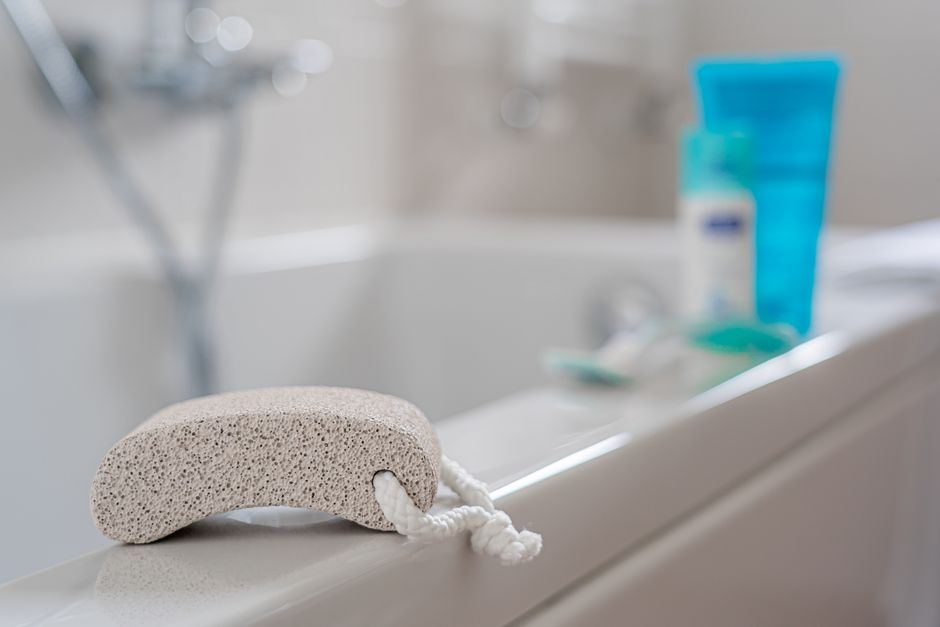
Keep calluses filed down. A thick callus is more likely to blister because it creates a raised, rigid area that catches against your shoe. Gently file the callus with a pumice stone after a shower, when the skin is soft. Do not cut calluses. Do not try to remove them completely.
Use moisture-wicking socks. Cotton socks absorb sweat and stay wet, which increases friction. Wool or synthetic blends keep the foot drier.
Apply a lubricant like petroleum jelly or a balm to high-friction areas before activity. This reduces rubbing. Some people use antiperspirant on their feet to reduce sweating, which also lowers friction.
What Not To Do With a Callus Blister
Some common advice is wrong or risky. Avoid these actions entirely.
- Do not peel off the loose skin. Let it fall off naturally.
- Do not use a razor blade or scissors to cut the blister open.
- Do not apply ice directly to the blister. Cold can damage the tissue further.
- Do not soak the blister for long periods. This softens the skin and increases tear risk.
- Do not cover a draining blister with a non-breathable adhesive for days at a time. Change it daily.
- Do not ignore signs of infection because you want to avoid a doctor visit.
There is no evidence that applying vinegar, tea tree oil, or other home remedies speeds up healing. These can irritate the skin and delay recovery. Plain soap, water, and a sterile dressing are sufficient.
When To See a Doctor for a Callus Blister
Most callus blisters do not require medical care. But some situations do.
See a doctor if you have diabetes, peripheral artery disease, or a weakened immune system. Blisters on the feet can become serious infections in these populations. Do not attempt to drain a blister yourself if you have diabetes. Foot ulcers are a leading cause of amputation, and even a small blister can escalate.
See a doctor if the blister is unusually large, if you cannot bear weight on it, or if it does not improve within a week. Also see a doctor if you have signs of infection, as listed above.
If you have a history of poor wound healing, get any foot blister evaluated early rather than waiting to see what happens.
Frequently Asked Questions
Can I pop a callus blister with a needle?
Yes, but only if the blister is large or painful and you use a sterile needle from a sealed package. Clean the area first and leave the top layer of skin in place.
How long does a callus blister take to heal?
An unbroken blister usually heals in 3 to 7 days. A drained blister can take up to two weeks to fully heal.
Should I put a bandage on a callus blister?
Yes, cover it with a sterile bandage or a donut-shaped moleskin pad. Change the dressing daily and keep the area clean and dry.
What does an infected blister look like?
An infected blister has increasing redness, warmth, pus, or red streaks spreading from the area. Fever and worsening pain also indicate infection and require medical attention.
