
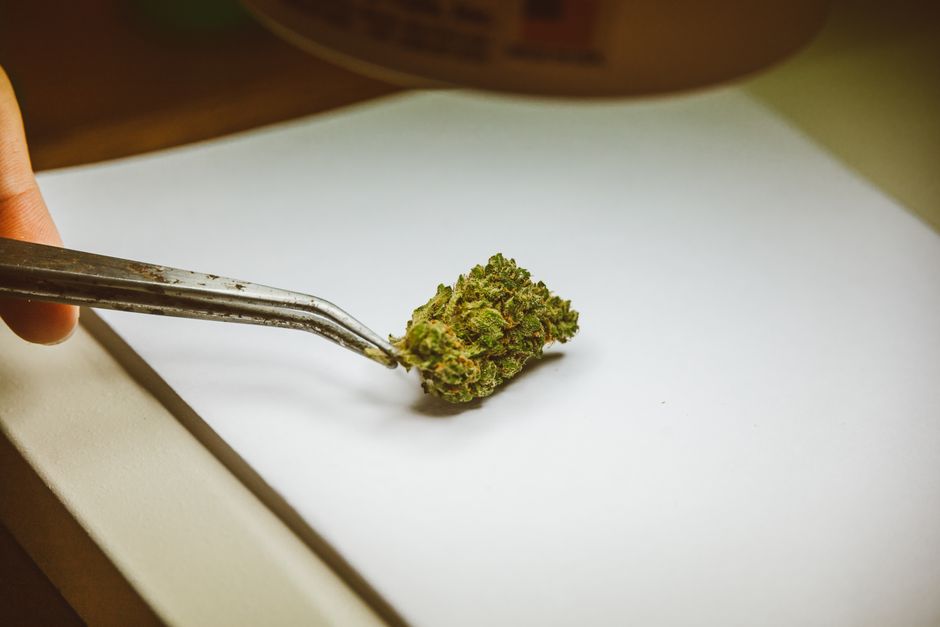
Getting a medical marijuana prescription starts with a qualifying condition and a state-licensed doctor. You do not buy it like a regular drug. You receive a recommendation, not a prescription, because federal law still classifies cannabis as a Schedule I substance. The process involves an evaluation, a state registry, and a dispensary visit, with total costs typically ranging from $100 to $400 for the initial setup depending on your state.
What Is the Difference Between a Prescription and a Medical Marijuana Recommendation?
Doctors cannot write a standard prescription for marijuana. The Drug Enforcement Administration (DEA) classifies cannabis as a Schedule I drug, meaning it has no accepted medical use at the federal level. This creates a legal conflict between state and federal law.
Instead, doctors issue a medical marijuana certification or recommendation. This document states that you have a qualifying condition and that the potential benefits of cannabis may outweigh the risks for you. With this document, you can register with your state’s medical cannabis program and purchase products from licensed dispensaries.
This distinction matters. A recommendation does not work like a prescription for antibiotics. You cannot take it to a regular pharmacy. It only grants access to state-licensed dispensaries within your state of residence.
What Conditions Qualify for Medical Marijuana?
Each state maintains its own list of qualifying conditions. There is no universal federal standard. However, most states include a core set of conditions that have the strongest evidence base.
Common qualifying conditions across most medical marijuana states include:
- Chronic pain, especially neuropathic pain
- Cancer and chemotherapy-induced nausea
- HIV/AIDS-related wasting syndrome
- Multiple sclerosis and muscle spasticity
- Epilepsy and seizure disorders
- Glaucoma (though evidence is limited)
- Post-traumatic stress disorder (PTSD) in many states
- Crohn’s disease and inflammatory bowel disease
Some states have broader lists that include anxiety, insomnia, or opioid use disorder. Others are more restrictive. If your condition is not on the list, you cannot get a recommendation in that state, even if your doctor believes cannabis might help.
How To Get Prescribed Marijuana Steps: The Process From Start to Finish
The steps vary slightly by state, but the overall structure is consistent. Plan for a process that takes one to three weeks from your first appointment to your first dispensary visit.
Step 1: Confirm your state’s program. Check whether your state has a medical cannabis program and verify your condition is on the qualifying list. Visit your state health department’s website for the official list.
Step 2: Gather your medical records. You will need documentation that shows your qualifying condition. This includes diagnostic notes, imaging reports, or a letter from your treating physician. If you do not have records, your evaluating doctor may need to run tests or request them from your primary care provider.
Step 3: Schedule an evaluation with a certified physician. Many states require a physician to be registered with the state’s medical cannabis program. You can find these doctors through the state registry or telehealth services that specialize in cannabis evaluations.
Step 4: Complete the evaluation. The appointment is usually 15 to 30 minutes. The doctor reviews your records, discusses your symptoms, and assesses whether cannabis is appropriate. They will also discuss risks, potential drug interactions, and alternative treatments.
Step 5: Receive your certification. If approved, the doctor issues a certification. In most states, this is submitted electronically to the state registry. You do not leave with a paper document in many cases.
Step 6: Register with your state’s medical cannabis program. You must create an account with the state health department, pay the registration fee, and submit your certification. You will receive a medical marijuana card, either physically in the mail or digitally.
Step 7: Visit a licensed dispensary. Bring your state-issued card and a valid ID. The dispensary pharmacist or budtender will help you select products based on your condition and the doctor’s recommendations.




How Much Does Medical Marijuana Cost?
Costs fall into three categories: the doctor’s evaluation, the state registration fee, and the product itself. There are also renewal costs, since medical marijuana cards expire.
Doctor evaluation fees typically range from $100 to $250 for an initial visit. Telehealth services often charge less, sometimes $75 to $150. Follow-up visits for renewals are usually cheaper, around $50 to $150.
State registration fees vary widely. Some states charge as little as $25. Others charge $100 to $200. Many states offer reduced fees for veterans, seniors, or patients with financial hardship. Some states require renewal every year, while others issue cards valid for two years.
Product costs depend on the form and potency. Flower is generally the cheapest option, ranging from $10 to $20 per gram depending on quality. Tinctures, edibles, and vape cartridges cost more. Expect to spend $100 to $300 per month if you use cannabis regularly.
Medical marijuana is not covered by insurance. Medicare, Medicaid, and private insurers do not pay for it because of the federal classification. This means all costs come out of pocket.
Do You Need a Medical Marijuana Card if Your State Has Legalized Recreational Use?
You do not need a card to purchase cannabis in states with legal recreational markets. However, the medical card still offers benefits that may justify the cost.
Medical patients often pay lower taxes. Many states exempt medical cannabis from the high excise taxes applied to recreational sales. This alone can save 10% to 20% on every purchase.
Medical patients also have access to higher potency limits. Recreational users face purchase limits measured in ounces. Medical patients can often buy more per visit and may have access to products not available on the recreational market, such as specific high-CBD formulations.
Some states give medical patients priority access during supply shortages. And in states where recreational use is legal but employment drug testing is common, the medical card provides legal protection that a recreational purchase does not.
Can You Get Medical Marijuana Through Telehealth?
Yes, telehealth evaluations are now common and legal in most medical marijuana states. The COVID-19 pandemic expanded telehealth access, and many states have made these allowances permanent.
Telehealth services specialize in cannabis evaluations. You complete a questionnaire, upload your medical records, and have a video appointment with a physician. The doctor can issue a certification if you qualify.
There are important limitations. You must be a resident of the state where you are seeking certification. Telehealth doctors cannot prescribe cannabis across state lines. Some states require at least one in-person visit, particularly for minors or patients with certain conditions.
Be cautious with online services that promise instant approval. Legitimate evaluations require a real conversation with a physician. Services that issue certifications without reviewing your medical history or discussing risks are not operating responsibly and may not be recognized by your state registry.
What Are the Risks and Side Effects of Medical Marijuana?
Medical marijuana is not risk-free. The most common side effects include dry mouth, red eyes, increased appetite, and drowsiness. These are generally mild and temporary.
More significant risks include impaired short-term memory, reduced coordination, and slower reaction times. This is why driving under the influence of cannabis is illegal and dangerous. THC levels in the blood can remain elevated for hours after use, even when the user feels sober.
Daily or near-daily use carries a risk of cannabis use disorder. Some studies estimate that roughly 10% of adults who use cannabis develop this condition. The risk is higher for people who start using in adolescence.
Smoking or vaping cannabis carries respiratory risks similar to tobacco. Inhalation exposes lung tissue to tar and other combustion byproducts. Vaping carries additional risks, particularly from unregulated additives.
For older adults, cannabis can interact with common medications. It can increase the blood-thinning effects of warfarin. It can affect blood sugar control in diabetes. It can cause dizziness and falls, especially in people with low blood pressure.
Is Medical Marijuana Effective for Chronic Pain?
Chronic pain is the most common reason people seek medical marijuana. The evidence here is stronger than for most other conditions, but it is not universal.
Research consistently shows that cannabis can provide modest pain relief for some people with neuropathic pain. This is pain caused by nerve damage, such as from diabetes, multiple sclerosis, or shingles. The effect is real but modest, and not everyone responds.
For inflammatory pain and musculoskeletal pain, the evidence is weaker. Some studies show benefit, while others show no significant difference from placebo. The quality of the evidence is limited by the difficulty of conducting blinded trials with a substance that produces obvious psychoactive effects.
Cannabis is not a first-line treatment for chronic pain. Most guidelines recommend it only after conventional treatments like physical therapy, NSAIDs, and certain antidepressants have been tried. It is best viewed as an adjunct, not a replacement, for other pain management strategies.
Frequently Asked Questions
How long does it take to get a medical marijuana card?
The evaluation and state registration typically take one to three weeks. The doctor’s appointment is often within a few days, but state processing times vary.
Can any doctor prescribe medical marijuana?
No, only physicians registered with your state’s medical cannabis program can issue certifications. Your regular doctor may choose not to participate, in which case you must find a registered provider.
Will medical marijuana show up on a drug test?
Yes, medical marijuana use will appear on standard urine drug tests. A medical card does not protect you from employer drug testing policies.
Is medical marijuana covered by insurance?
No, insurance does not cover medical marijuana because it is federally illegal. You must pay for the evaluation, registration, and products out of pocket.
