
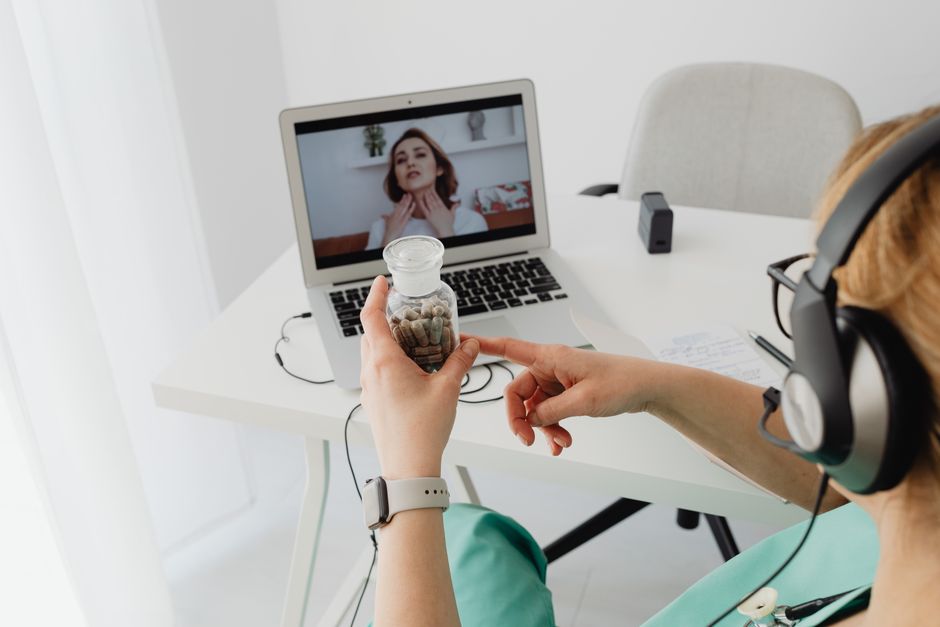
PrEP, or pre-exposure prophylaxis, is a prescription medicine taken to lower the chance of getting HIV through sex or injection drug use. You can get PrEP without a traditional clinic visit in the United States, but not without a licensed provider and a prescription. Telehealth services and online pharmacies have made the process faster and more private, yet the same medical steps still apply: an HIV test, kidney and hepatitis checks, a prescription, and regular follow-up.
What Is PrEP and Who Is It For?
PrEP is not a single drug. It refers to several prescription options, and which one fits depends on your health, your kidneys, and how you live.
The two most established forms are a daily oral pill and a long-acting injection given by a healthcare provider. The daily pill combines two medicines, tenofovir and emtricitabine. The injection is given on a set schedule by a clinician. A vaginal ring is also approved in some countries but is not part of standard US PrEP care.
PrEP is for people who do not have HIV and who face a real chance of exposure. That includes people with a partner who has HIV, people with more than one sexual partner or a recent bacterial sexually transmitted infection, and people who inject drugs and share equipment. It is a prevention tool, not a treatment. If you already have HIV, PrEP is not the right medicine, and taking it alone can lead to drug resistance.
One point people often miss: PrEP does not protect against other STIs, and it does not prevent pregnancy. Condoms still matter for those reasons.
How To Get PrEP Online Without a Clinic Visit
You can complete most of the PrEP process from home through a telehealth provider, but you cannot skip the medical requirements. The steps below reflect how these programs generally work.
- Choose a telehealth service. Some are run by health systems, some by specialized online clinics, and some by public health programs. Availability varies by state.
- Complete an online visit. You answer health questions and often submit a recent HIV test result or get a testing kit mailed to you.
- Get lab testing. An HIV test is mandatory before starting. Providers also check kidney function and hepatitis B status, because these affect which PrEP option is safe for you.
- Receive a prescription. A licensed provider reviews your information and, if appropriate, sends the prescription to a pharmacy or a mail-order service.
- Keep up with follow-up. Repeat HIV testing and lab checks are part of ongoing PrEP care.
The visit happens by video, phone, or secure message instead of in person. The prescription still comes from a real clinician who is accountable for the decision.
Is an Online Prescription Legitimate and Safe?
A prescription from a US telehealth provider who is licensed in your state is a real prescription. The medicine is the same medicine you would get from a clinic.
Safety depends on whether the service does the required testing. A provider who writes a PrEP prescription without confirming your HIV status and checking your kidneys is not following standard practice. That gap is the main risk with low-quality online sellers.
Watch for these signs of a service that is not doing it right:
- No HIV test required before the first prescription
- No questions about kidney health or other medicines you take
- No plan for follow-up testing
- Medicine shipped from outside the US with no pharmacy oversight
Legitimate programs build testing into the process. If a service skips it, that is a warning sign, not a convenience.




What Do the Required Tests Actually Check?
Three tests matter most before starting PrEP, and they are not optional.
An HIV test confirms you are not already infected. Starting PrEP with an undiagnosed HIV infection can allow the virus to develop resistance to the medicines in PrEP, which makes future treatment harder.
A kidney function test checks how well your kidneys filter blood. The oral forms of PrEP are cleared by the kidneys, so reduced kidney function can change whether a daily pill is appropriate.
A hepatitis B test matters because one of the medicines in the oral pill also acts against hepatitis B. Stopping it suddenly in someone with hepatitis B can cause a flare of the infection, so providers need to know your status.
These tests are standard. Telehealth programs handle them with at-home kits, local labs, or a mix of both.
How Much Does PrEP Cost Online?
Cost varies widely, and the honest answer is that it depends on your insurance and the program you use. What is well established is that most people can get PrEP at low or no cost through a combination of insurance and assistance programs.
Most insurance plans, including Medicaid, cover PrEP and the related testing. For people without insurance, manufacturer assistance programs and public health programs exist to cover the medicine and often the lab work. A telehealth service may charge a visit fee on top of the medicine cost, and that fee is not always covered.
Because prices change and programs differ by state, the reliable move is to ask the service directly what the total cost will be, including the visit, the labs, and the medicine. Do not assume the sticker price is the real price.
What Are the Side Effects and Limits of PrEP?
Most people who take PrEP do not have serious side effects. When side effects happen, they are usually mild and often ease within the first few weeks.
Common effects reported with the oral pill include nausea, headache, tiredness, and stomach upset. Kidney and bone density changes can occur, which is part of why lab monitoring is built into care. The injection can cause injection-site reactions.
Two limits are worth stating plainly. First, PrEP only works if you take it as prescribed. Missed doses lower the protection. Second, PrEP does not prevent other STIs. Rates of some bacterial STIs have risen among people using PrEP, which is why regular STI testing is part of good PrEP care.
If you think you were exposed to HIV within the last few days, PrEP is not the right step. That situation calls for emergency post-exposure treatment, which is a different medicine started quickly. Contact a provider or emergency department right away.
Common Myths About Online PrEP
A few claims circulate that are worth correcting.
Myth: Online PrEP means no testing. Legitimate services require testing. The testing is what makes the prescription safe.
Myth: PrEP is only for one type of person. PrEP is for anyone at real risk of HIV exposure, regardless of gender or sexual orientation.
Myth: PrEP replaces condoms. PrEP protects against HIV only. Condoms protect against other STIs and pregnancy.
Myth: You can stop and start whenever. How you start and stop depends on the medicine and your situation, and providers give specific guidance. Stopping the oral pill suddenly can matter if you have hepatitis B.
Frequently Asked Questions
Can I really get PrEP without seeing a doctor in person?
Yes, through telehealth you can complete the visit and receive a prescription without an in-person clinic appointment. You still need an HIV test and lab checks, which can often be done with at-home kits or a local lab.
Do I need an HIV test before starting PrEP?
Yes. An HIV test is required before starting PrEP, because taking it with an undiagnosed infection can lead to drug resistance. This step is not optional in any legitimate program.
Is online PrEP cheaper than going to a clinic?
Not always. Cost depends on your insurance, the visit fee, and the program you use, so ask for the full price including labs and medicine. Many people pay little or nothing through insurance or assistance programs.
Does PrEP protect against all STIs?
No. PrEP protects against HIV only, not other sexually transmitted infections or pregnancy. Regular STI testing and condom use remain part of complete prevention.
