
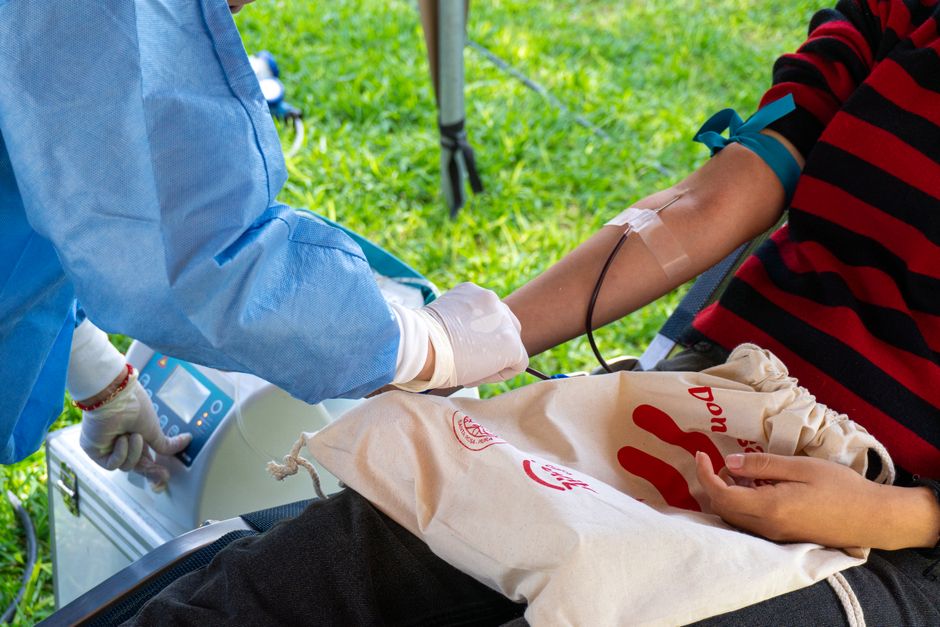
Donating plasma is one of the easiest ways to earn extra cash while helping others. You go to a licensed plasma center, sit in a chair for about an hour, and get paid for your time and inconvenience. Most donors earn between $20 and $50 per session, and some centers offer bonuses for coming regularly. The key to maximizing earnings is staying hydrated, eating well beforehand, and donating as often as allowed — typically twice per week.
How Does Plasma Donation Work and How Are You Paid?
Plasma is the liquid part of your blood that carries proteins, antibodies, and nutrients. When you donate, a machine draws your blood, separates the plasma, and returns the red blood cells and platelets to your body. The whole process takes about 60 to 90 minutes for a full donation.
You are not selling your plasma — you are compensated for your time and the inconvenience of the process. Payment is made by debit card, prepaid card, or cash, depending on the center. Most centers load your payment onto a card immediately after donation. Some centers pay a flat fee per visit, while others use a tiered system that increases your pay as you donate more times in a month.
First-time donors often receive a bonus, sometimes $50 to $100 for the first few visits. After that, regular donors earn a base rate plus loyalty bonuses for sticking to a schedule. Each center has its own pay structure, so it pays to compare options in your area.
How Much Can You Earn Donating Plasma?
Earnings vary by location, center, and how often you donate. On average, a single donation pays $20 to $50. If you donate the maximum allowed — twice in a seven-day period — you could earn $40 to $100 per week. That translates to roughly $160 to $400 per month.
Some centers offer bonus programs that increase your pay per donation after you reach a certain number of visits in a month. For example, you might earn $20 for your first donation of the week and $40 for your second. A few centers pay higher rates for donors with specific blood types, such as AB plasma, which is universally compatible and in higher demand. However, you cannot control your blood type, so this does not apply to everyone.
No large national study has published exact average earnings because each center sets its own rates. The figures above are based on common practices reported by major chains and donor experiences. Always check with your local center for current rates.
What Are the Best Tips to Maximize Your Plasma Donation Earnings?
To get paid for plasma efficiently, follow these evidence-based strategies that centers themselves recommend.
Hydrate well before you go. Dehydration makes it harder to find a vein and slows down the donation process. Drink plenty of water throughout the day before your appointment. Avoid caffeine and alcohol beforehand because they can dehydrate you.
Eat a protein-rich meal two to three hours before donating. Plasma contains proteins, and your body needs fuel to replace them. A meal with lean meat, eggs, beans, or dairy helps you feel better during and after donation.
Donate on a regular schedule. Many centers pay more for frequent donors. If you commit to two donations per week every week, you can qualify for monthly bonuses that increase your per-donation pay. Ask your center if they have a loyalty program.
Use new donor bonuses strategically. Some people rotate between centers to take advantage of first-time donor promotions. Check whether center policies allow this — some require a waiting period before you can return as a “new” donor.
Bring your ID and proof of address every time. A wasted trip means lost earnings. Make sure you have your donor card, government-issued ID, and a recent utility bill or bank statement that shows your current address.
Schedule appointments during slower hours. Mornings and weekdays are usually less busy. Shorter wait times mean you get in and out faster, which increases your effective hourly rate.





Are There Risks or Downsides to Donating Plasma for Money?
Donating plasma is generally safe for healthy adults when done at regulated centers. The U.S. Food and Drug Administration (FDA) oversees plasma collection facilities and sets strict standards for equipment, staff training, and donor screening.
The most common side effects are minor: bruising at the needle site, feeling lightheaded, or fatigue afterward. Drinking water and eating a snack after donation usually resolves these quickly. Serious complications like fainting, nerve injury, or infection are rare when proper procedures are followed.
There is a downside to consider: the time commitment. A full donation cycle takes about 90 minutes, including screening and the actual donation. Some people find this difficult to fit into a weekly routine. Also, frequent donation can lower your protein levels if you do not eat enough protein between visits. Your body needs protein to rebuild the plasma you donated. Centers check your protein levels before each donation; if they drop too low, you will be deferred until they recover.
Plasma donation is not a passive income source — it requires active effort, travel, and some physical demand. For most people, it is a reliable way to earn extra money, but it is not risk-free.
Who Can Donate Plasma and How Often?
Eligibility requirements are set by the FDA and individual centers. You must be at least 18 years old, weigh at least 110 pounds (50 kilograms), and be in generally good health. You will undergo a health screening and a medical history questionnaire at your first visit and periodically thereafter.
You cannot donate if you have certain medical conditions, such as active infections, clotting disorders, or a history of hepatitis B or C. Some medications, like blood thinners, may disqualify you temporarily or permanently. If you have traveled to areas with certain disease risks, you may be deferred for a period of time.
The FDA allows plasma donation twice per week, with at least 48 hours between donations. This rule is designed to give your body enough time to replenish plasma proteins. Most centers follow this schedule strictly. You cannot donate plasma more than two times in any seven-day period, regardless of what day of the week you donate.
If you recently donated whole blood, you will need to wait — typically 28 days — before donating plasma. Whole blood donation removes red cells, which take longer to replace than plasma.
How To Get Paid For Plasma Earnings And Tips: Final Considerations
Getting paid for plasma is straightforward: find a licensed center, pass the screening, donate regularly, and collect your payment. The most important tip is to make it a routine. Donating once or twice will bring in a modest amount, but consistent donations over weeks and months add up to meaningful extra income.
Understand that plasma centers are businesses. They pay you because they sell your plasma to pharmaceutical companies that use it to make life-saving therapies. The more often you donate in good health, the more valuable you are to the center — and the more you earn. Stick to the tips above, stay honest about your health history, and you can safely earn several hundred dollars a month.
Frequently Asked Questions
How much money can I make donating plasma in a month?
If you donate the maximum twice per week, monthly earnings typically range from $160 to $400, depending on the center’s pay rates and any bonuses you earn.
How long does a plasma donation take?
The actual donation takes about 60 to 90 minutes, plus another 30 to 45 minutes for the initial screening and registration on your first visit.
Can I donate plasma if I have a tattoo?
You generally can, but you may need to wait 3 to 12 months after getting a tattoo, depending on whether the tattoo parlor is regulated and licensed in your state.
Is donating plasma safe?
Yes, for healthy adults who meet screening criteria. Licensed centers follow strict FDA regulations, and serious complications are rare. Mild side effects like lightheadedness are common but brief.
