
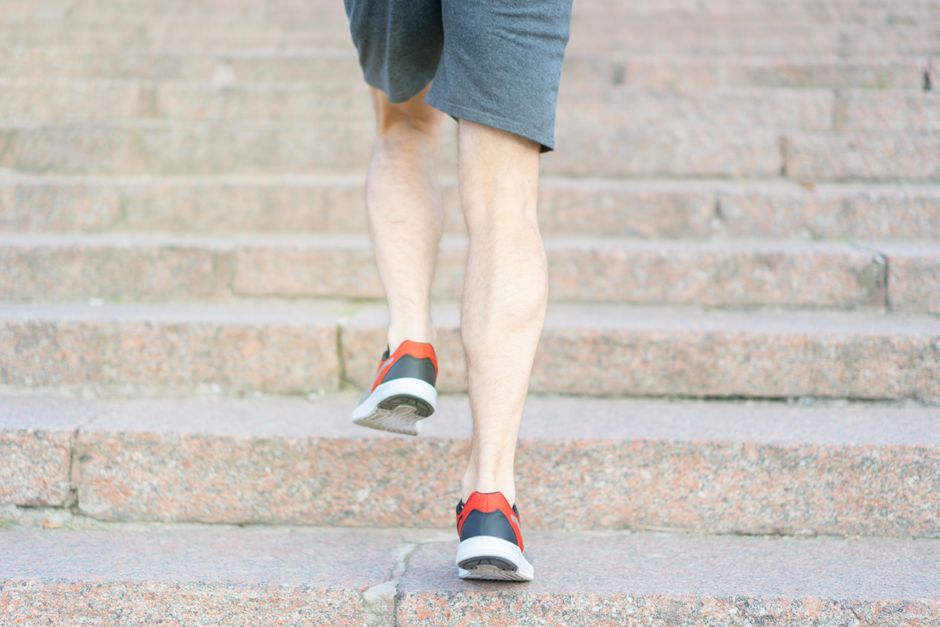
Shin splints are a sharp or dull ache along the shin bone, and getting rid of them means stopping the activity that caused them, resting, and then slowly rebuilding strength. The pain comes from inflammation of the muscle and tissue around the tibia, not a fracture in most cases. Most people recover fully with rest, ice, and a gradual return to exercise. Ignoring the pain and pushing through usually makes it worse and takes longer to heal.
What Causes Shin Splints in the First Place?
Shin splints happen when the muscles and tendons around your shin bone get overworked. The most common cause is a sudden increase in activity. You might start running longer distances, add more days of exercise, or switch to running on harder surfaces like concrete.
The CDC reports that shin splints are one of the most common running injuries, especially in new runners. The problem is often made worse by wearing worn-out shoes that no longer absorb shock. Flat feet or high arches can also increase the stress on your lower legs. When your foot hits the ground, the muscles along the shin work hard to control the motion. If those muscles are weak or tired, the bone takes more of the impact.
What Is the Best Way to Get Rid of Shin Splints Fast?
Rest is the single most effective treatment. This does not mean becoming completely inactive. It means stopping the activity that causes pain. For most people, that is running, jumping, or high-impact sports. You can still do low-impact exercise like swimming, cycling, or using an elliptical machine as long as it does not hurt.
Ice helps reduce inflammation. Apply an ice pack to the painful area for 15 to 20 minutes several times a day. Research published in the Journal of Orthopaedic & Sports Physical Therapy found that ice combined with rest significantly reduced pain in the first week compared to rest alone. Over-the-counter anti-inflammatory drugs like ibuprofen can help with pain, but they do not treat the underlying cause. Relying on painkillers to keep running is a bad idea. You are masking symptoms, not healing the tissue.
What Stretches and Exercises Help Shin Splints?
Strengthening the muscles around your shin and calf is critical for recovery. The most effective exercise is the towel toe curl. Sit in a chair with a towel flat on the floor in front of you. Place your foot on the towel and use your toes to scrunch the towel toward you. Do this for 30 seconds on each foot. Repeat three times.
Calf stretches also help. Stand facing a wall with one foot forward and one foot back. Keep your back leg straight and your heel on the ground. Lean forward until you feel a stretch in the back of your lower leg. Hold for 30 seconds and switch sides. Do this twice daily.
The heel drop exercise builds eccentric strength in the calf, which helps absorb shock. Stand on the edge of a step with your heels hanging off. Slowly lower your heels below the step level. Hold for two seconds, then raise back up. Do three sets of 10 repetitions. Some studies suggest eccentric calf exercises may reduce recurrence rates, though the evidence is not as strong as it is for Achilles tendinopathy.





When Should You See a Doctor for Shin Splints?
Most shin splints resolve on their own within two to four weeks with proper rest. You should see a doctor if the pain does not improve after a few weeks of rest, if the pain is severe enough to prevent walking, or if the area becomes red, hot, or swollen. Those signs can indicate a stress fracture or a more serious condition.
A stress fracture is a small crack in the shin bone. It requires complete rest and sometimes a walking boot. The difference between shin splints and a stress fracture is that shin splints hurt along a broad area of the bone, while a stress fracture hurts at one specific spot when you press on it. An X-ray or MRI can confirm the difference. If you have had shin splints more than three times in a year, a physical therapist can evaluate your gait and footwear to find the root cause.
How To Get Of Shin Splints and Prevent Them From Coming Back
Preventing shin splints is easier than treating them. The most important step is to increase your activity level slowly. The 10 percent rule is a good guideline: do not increase your running distance or time by more than 10 percent per week. Your muscles and bones need time to adapt to new stress.
Wearing proper shoes matters more than most people think. Running shoes lose their cushioning after 300 to 500 miles. Replace them before they wear out. If you have flat feet, consider shoes with motion control or stability features. If you have high arches, look for shoes with extra cushioning. A running store can analyze your gait and recommend the right shoe for your foot type.
Running on softer surfaces can also reduce stress on your shins. Grass, dirt trails, and rubber tracks are easier on your legs than concrete or asphalt. If you must run on hard surfaces, shorten your stride and increase your cadence. Shorter, quicker steps reduce the impact force on each landing. A study in the Journal of Orthopaedic & Sports Physical Therapy found that runners who increased their step rate by 5 to 10 percent significantly reduced the load on their shins.
What Are Common Mistakes People Make With Shin Splints?
The biggest mistake is trying to run through the pain. Shin splints are a warning signal from your body. Ignoring it often turns a two-week recovery into a two-month problem. Another common mistake is stretching the shin too aggressively. Gentle stretching is fine, but forcing a stretch when the tissue is already inflamed can make things worse.
Some people believe that switching to a minimalist or barefoot shoe will fix shin splints instantly. That is not true. Minimalist shoes require your foot and lower leg muscles to absorb more shock. If those muscles are already weak, switching to minimal shoes can actually increase your risk of injury. A gradual transition over several months is needed if you want to switch.
Another myth is that shin splints are caused by a calcium deficiency or weak bones. There is no clinical evidence to support that for the average healthy adult. Shin splints are a soft tissue and bone stress reaction, not a nutritional problem. Eating a balanced diet with adequate calcium and vitamin D is always good for bone health, but it will not cure shin splints.
| Treatment | Effectiveness | Time to Improvement |
|---|---|---|
| Complete rest from high-impact activity | High | 2 to 4 weeks |
| Ice therapy | Moderate | Immediate pain relief |
| Anti-inflammatory medication | Moderate for pain | 1 to 2 days |
| Calf and shin strengthening exercises | High for prevention | 4 to 6 weeks |
| Proper footwear | High for prevention | Immediate when used |
| Returning to activity too soon | Negative effect | Can double recovery time |
- Stop any activity that causes shin pain immediately.
- Ice the area for 15 to 20 minutes several times daily.
- Do not stretch through sharp pain.
- Replace running shoes after 300 to 500 miles.
- Increase running distance by no more than 10 percent each week.
- See a doctor if pain persists beyond three weeks of rest.
Does Taping or Compression Help Shin Splints?
Some people report relief from kinesiology tape or compression sleeves. The evidence is mixed. A small study in the Journal of Athletic Training found that kinesiology tape reduced pain during activity for some participants, but the effect was not large enough to recommend it as a primary treatment. Compression sleeves may improve blood flow and reduce swelling, but they will not fix the underlying muscle weakness or overuse.
If you want to try taping, look for a technique called the shin splint taping method. It involves applying tape from the inside of your ankle, up along the shin muscle, and anchoring it just below the knee. A physical therapist can show you how to do it correctly. Do not rely on tape alone. It is a temporary support, not a cure.
Frequently Asked Questions
Can I run with shin splints?
No. Running with shin splints usually makes the injury worse and extends recovery time. Rest until you can walk without pain.
How long does it take for shin splints to heal?
Most shin splints heal within two to four weeks with proper rest and treatment. Severe cases may take six to eight weeks.
Should I wrap my shin splints at night?
Wrapping at night is not necessary and can restrict blood flow if done too tightly. Ice and elevation are more effective before bed.
Are shin splints the same as a stress fracture?
No. Shin splints involve inflammation of muscle and tissue around the bone. A stress fracture is a small crack in the bone itself and requires more rest.
