
Iron is one of the most common nutrient deficiencies worldwide, and the way your body handles it is unusual. Unlike many vitamins, iron is absorbed in small amounts and the amount you absorb depends heavily on the form of iron and what else is in your gut at the same time. You get iron from two main types in food — heme iron from animal sources and non-heme iron from plants — and your body absorbs them differently. Understanding that difference is the key to getting enough.
How To Get Iron From Food Sources And Absorption?
Heme iron comes from hemoglobin and myoglobin in animal tissues. It is found in red meat, poultry, and fish. Your body absorbs heme iron efficiently, and absorption is less affected by other foods you eat at the same meal.
Non-heme iron is the form found in plants and in fortified foods. It is present in beans, lentils, spinach, fortified cereals, and many other foods. Non-heme iron is absorbed less efficiently, and its absorption is strongly influenced by what else is in the meal. Vitamin C boosts non-heme iron absorption. Compounds like phytates (found in grains and legumes) and polyphenols (found in tea and coffee) reduce it.
This is why two people can eat the same amount of iron on paper and absorb very different amounts. The food source, the meal composition, and your individual iron status all matter.
What Is the Difference Between Heme and Non-Heme Iron?
Heme iron is bound inside a ring structure called a porphyrin, which protects it from many of the inhibitors that block non-heme iron. That is the main reason heme iron is absorbed more reliably. Roughly speaking, the body absorbs a meaningful fraction of heme iron — often cited as around 15 to 35 percent — compared with a much smaller fraction of non-heme iron, often in the range of 2 to 20 percent depending on the meal and the person.
Those ranges are wide on purpose. Absorption is not fixed. It shifts based on how much iron you already have stored and what you eat alongside the iron.
Non-heme iron has to be released from plant compounds and then converted before it can be taken up by the intestine. That conversion step is where vitamin C helps and where phytates and polyphenols interfere.
Which Foods Are Highest in Iron?
Animal sources tend to lead on both iron content and absorption. Plant sources can be excellent too, especially when paired well.
- Heme iron sources: beef liver, lean red meat, dark poultry meat, oysters, clams, sardines, and other fish
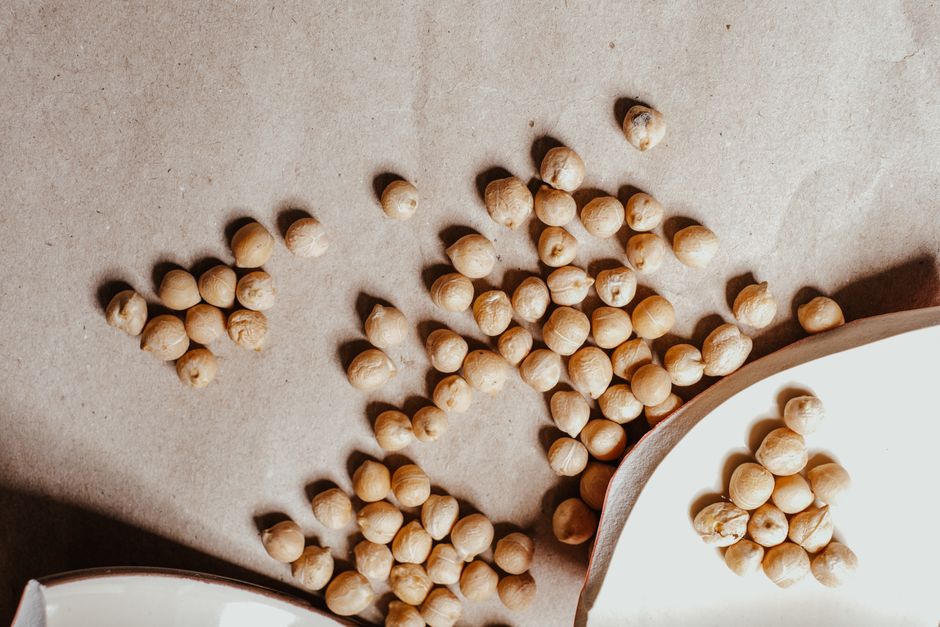
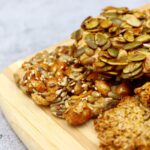
- Non-heme iron sources: lentils, chickpeas, kidney beans, soybeans, tofu, spinach, pumpkin seeds, fortified breakfast cereals, and whole grains
Organ meats like liver are among the most iron-dense foods available. Fortified cereals can be surprisingly high in iron, though the form used is non-heme and absorption varies.
A practical point many people miss: the iron listed on a nutrition label is the total iron in the food, not the amount you will absorb. A plant food with a high number can deliver less usable iron than a smaller portion of meat.

How Does Vitamin C Improve Iron Absorption?
Vitamin C is the best-studied enhancer of non-heme iron absorption. It helps convert iron into a form the intestine can take up more easily. Eating a vitamin C source at the same meal as a plant iron source can meaningfully increase how much iron you absorb.
Good pairings include:
- Lentil soup with a squeeze of lemon or a side of bell pepper
- Fortified cereal with strawberries or orange juice
- Bean-based dishes with tomatoes or citrus
- Spinach salad with citrus segments
The timing matters. Vitamin C needs to be present in the same meal as the iron. Taking it hours later does not have the same effect.
What Blocks Iron Absorption?
Several common foods and drinks reduce non-heme iron absorption when eaten at the same time as an iron-rich meal.
- Phytates: found in whole grains, legumes, nuts, and seeds
- Polyphenols: found in tea, coffee, and some wines
- Calcium: found in dairy and supplements; it can interfere with both heme and non-heme iron
Tea and coffee are among the most common culprits. Drinking them with a meal can reduce iron absorption from that meal. If you drink them, separating them from iron-rich meals by an hour or more is a reasonable approach.
Phytates are harder to avoid because they are in so many healthy foods. Soaking, sprouting, and fermenting grains and legumes can reduce phytate content. This is one reason fermented foods like sourdough bread and miso may allow better mineral absorption than their unfermented counterparts.
Who Is Most at Risk for Iron Deficiency?
Iron deficiency is not evenly distributed. Some groups are at clearly higher risk.
- Menstruating women: blood loss each month increases iron needs
- Pregnant women: iron needs rise substantially to support the growing fetus and increased blood volume
- Infants and young children: rapid growth raises iron demand
- Frequent blood donors: regular donation can deplete stores
- People with gastrointestinal conditions: conditions that cause bleeding or reduce absorption, such as celiac disease or inflammatory bowel disease, raise risk
- Vegetarians and vegans: relying only on non-heme iron makes it harder to meet needs, though it is entirely possible with good planning
Symptoms of deficiency include fatigue, pale skin, shortness of breath, and cold hands and feet. These symptoms are not specific to iron deficiency, so a blood test is needed to confirm it. Do not assume fatigue means low iron.
Should You Take Iron Supplements?
Iron supplements are not a casual add-on. They should be taken when a clinician has confirmed a need through blood testing. Taking iron when you do not need it can cause side effects and, in excess, is harmful.
If a supplement is recommended, absorption tips apply here too. Taking iron with vitamin C or on an empty stomach can improve uptake, but some people find it causes stomach upset. Taking it with food reduces side effects but also reduces absorption. This is a trade-off worth discussing with a clinician.
Calcium supplements and iron supplements should generally be separated. So should iron and certain medications, including some antibiotics and thyroid medications. Ask a pharmacist about timing if you take other drugs.
No clinical guidelines currently exist for self-dosing iron in healthy adults who have not been diagnosed with deficiency. Doses for confirmed deficiency are set by a clinician based on blood tests.
Does Cooking in Cast Iron Add Iron to Food?
Cooking acidic foods in cast iron can leach small amounts of iron into the food. This is a real effect and has been studied, though the amount varies widely depending on the food, cooking time, and the pan itself.
It is not a reliable way to meet iron needs, and it does not replace dietary sources or supplements when deficiency is present. It may contribute a modest amount, particularly when cooking acidic foods like tomato sauce. The iron added is non-heme, so the same absorption rules apply.
How Can You Improve Iron Absorption at Every Meal?
Small adjustments across the day add up more than any single change.
- Pair plant iron sources with vitamin C at the same meal
- Keep tea and coffee away from iron-rich meals by an hour or more
- Soak, sprout, or ferment grains and legumes to reduce phytates
- Include some heme iron if you eat animal foods
- Separate calcium-rich foods and supplements from your highest-iron meals
- Cook acidic dishes in cast iron when practical
If you eat a plant-based diet, these habits matter more, not less. A well-planned vegetarian or vegan diet can meet iron needs, but it takes attention to pairing and consistency.
If you have symptoms that could suggest deficiency, or you belong to a higher-risk group, a blood test is the right first step. Diet changes help, but they cannot correct a deficiency that has already developed without addressing the underlying cause.
Frequently Asked Questions
What food is highest in iron?
Organ meats like beef liver are among the most iron-dense foods, and clams and oysters are also very high. For plant sources, fortified cereals, lentils, and soybeans rank near the top.
Does vitamin C really help you absorb iron?
Yes. Vitamin C is the best-studied enhancer of non-heme iron absorption, and it works when eaten in the same meal as the iron source. Taking it hours later does not have the same effect.
Does coffee or tea block iron absorption?
Both contain polyphenols that can reduce non-heme iron absorption when consumed with a meal. Separating them from iron-rich meals by an hour or more is a reasonable step.
Can you get enough iron from plants alone?
Yes, a well-planned vegetarian or vegan diet can meet iron needs. It requires attention to pairing plant iron with vitamin C and limiting inhibitors at the same meal.
