
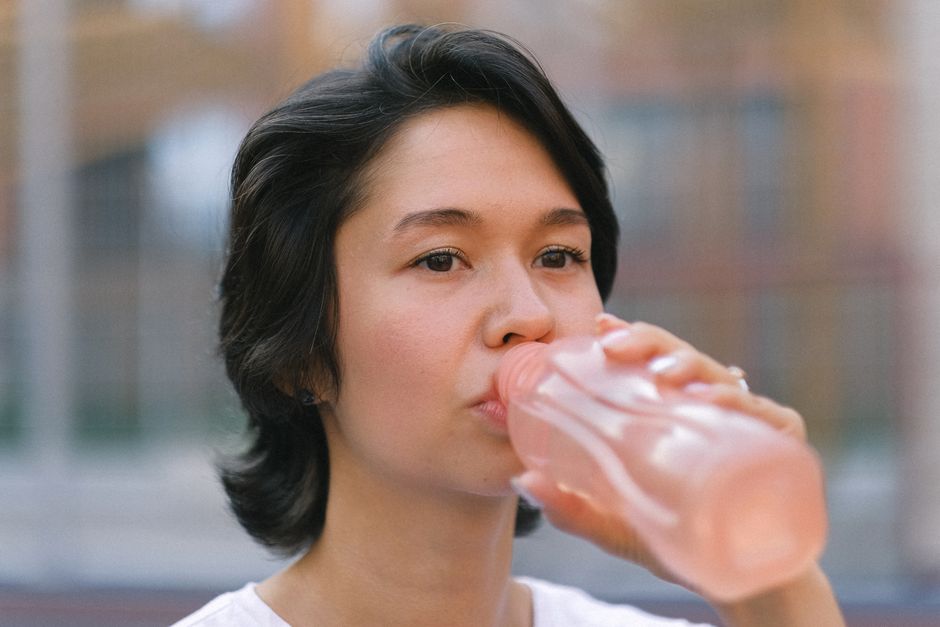
Your body is mostly water, and when you are low on it, you feel it quickly. The fastest way to rehydrate is to drink fluids that contain water plus sodium and a little sugar, such as an oral rehydration solution or a sports drink, because sodium helps your body pull water into your bloodstream instead of letting it pass straight through. Plain water works well for everyday thirst. If you are dehydrated from illness, heat, or hard exercise, a drink with electrolytes will usually get you back to normal faster.
How To Get Hydrated Fast
Speed comes down to two things: what you drink and how you drink it.
Water on an empty stomach moves into your system within minutes. Adding sodium and a small amount of glucose (sugar) speeds the process. This is the basis of oral rehydration solutions, which are used worldwide to treat dehydration from diarrhea. The sodium-glucose combination helps your intestine absorb water more efficiently than water alone.
For everyday dehydration, cool water is enough. For fluid lost through sweating or illness, an electrolyte drink does the job better. Drink steadily rather than chugging it all at once. Your gut can only absorb so much fluid per hour, so sipping over 30 to 60 minutes beats one large gulp.
Things that slow you down: alcohol, very high-sugar drinks without electrolytes, and large amounts of caffeine. A little caffeine is fine. A lot can make you urinate more.
What Are the Fastest Fluids for Rehydration?
Not all drinks hydrate equally. Here is how common options compare.
| Drink | Hydration speed | Notes |
|---|---|---|
| Oral rehydration solution | Fastest | Water plus sodium and glucose in set ratios. Designed for illness-related fluid loss. |
| Sports drink | Fast | Contains electrolytes and sugar. Good after heavy sweating. |
| Water | Fast | Works well for everyday thirst and mild dehydration. |
| Milk | Moderate to fast | Contains sodium, potassium, and protein. Some studies suggest it rehydrates as well as or better than water after exercise. |
| Coconut water | Moderate | Has potassium but less sodium than most sports drinks. |
| Juice | Moderate | High sugar can slow absorption and cause stomach upset. |
| Coffee or tea | Moderate | Mostly water. Large amounts of caffeine may increase urination. |
If you are dehydrated from vomiting or diarrhea, an oral rehydration solution is the most reliable choice. These are sold as powders and premixed liquids. You can also make a simple version at home, though getting the ratios right matters. The World Health Organization publishes a standard recipe using clean water, salt, and sugar.
For garden-variety thirst, water is fine. You do not need electrolytes unless you have lost them through sweat or illness.
How Long Does It Take to Rehydrate?
Mild dehydration can improve within 30 to 60 minutes of drinking fluids. How fast depends on how dehydrated you are and what you drink.
Your body absorbs water through the small intestine. Plain water starts entering your bloodstream within about 5 minutes. Drinks with sodium and glucose move through a bit faster because they use an active transport system in the gut.
If you are moderately dehydrated, expect to feel better within an hour or two of steady fluid intake. Severe dehydration is different. It can take hours of medical treatment with intravenous fluids. If you cannot keep fluids down, or you feel confused, dizzy, or very weak, that is a medical emergency, not a DIY situation.
One thing that trips people up: drinking a huge amount at once does not speed things up. Your kidneys will just excrete the excess. Steady sipping over time is more effective.




Signs You Are Dehydrated
Thirst is a late signal. By the time you feel thirsty, you have already lost fluid.
Early signs include:
- Dark yellow urine
- Dry mouth
- Feeling tired or lightheaded
- Headache
- Fewer trips to the bathroom
More serious signs:
- Very dark urine or no urine for 8 hours or more
- Rapid heartbeat
- Sunken eyes
- Confusion or fainting
- No tears when crying (in children)
Urine color is one of the simplest checks. Pale yellow means you are likely well hydrated. Dark amber means you need fluids. This is a general guide, not a diagnosis. Some vitamins and medications can change urine color.
Who Needs to Be Careful About Fast Rehydration?
Most people can rehydrate quickly without problems. Some groups need to be more careful.
Infants and young children dehydrate faster than adults because their bodies are smaller and their fluid turnover is higher. Oral rehydration solutions are the standard treatment for diarrhea in children. Do not use sports drinks or juice for young children with diarrhea. The sugar content can make diarrhea worse. No clinical guidelines recommend homemade rehydration drinks for infants. Use a commercial oral rehydration solution or follow your doctor’s instructions.
Older adults may not feel thirst as strongly. They also may take medications that affect fluid balance, such as diuretics. If you are older and on medication, ask your doctor how much fluid you should aim for.
People with heart or kidney conditions may need to limit fluids. Drinking too much too fast can be dangerous for someone with heart failure or kidney disease. Follow your doctor’s guidance on fluid intake.
Athletes and outdoor workers lose sodium through sweat. For sessions lasting more than an hour, or in high heat, a drink with electrolytes is a better choice than plain water. Drinking only water during long, sweaty exercise can dilute your blood sodium to dangerous levels, a condition called hyponatremia. This is rare but serious.
What Speeds Up or Slows Down Hydration?
Several things affect how quickly your body absorbs and holds onto fluids.
Speeds it up:
- Sodium and glucose in the right amounts
- Cool or cold fluids (some research suggests cold water empties from the stomach faster)
- Drinking on an empty stomach
- Resting rather than moving around a lot
Slows it down:
- Alcohol, which increases urine output
- Very high-sugar drinks, which can pull water into the gut and cause cramping
- Large amounts of caffeine
- Drinking too much at once, which triggers faster kidney excretion
- Stomach upset or vomiting, which prevents absorption
Food can also help. Eating something with salt, like crackers or a light broth, can support hydration because sodium helps your body retain water.
Can You Rehydrate Too Fast?
Yes. Drinking more water than your kidneys can process can dilute the sodium in your blood. This is called hyponatremia, and it can be dangerous.
Your kidneys can typically excrete about 0.8 to 1 liter of water per hour. Drinking beyond that, especially during endurance exercise when you are also losing sodium through sweat, can push your blood sodium too low. Symptoms include nausea, headache, confusion, and in severe cases, seizures.
This does not mean you should avoid drinking water. It means you should drink to thirst and replace electrolytes when you have been sweating heavily for a long time. For most everyday situations, hyponatremia from drinking water is not a realistic concern.
Practical Tips for Fast Rehydration
If you need to rehydrate quickly, here is what works:
- Drink an oral rehydration solution or sports drink if you have lost fluids through sweat, vomiting, or diarrhea.
- Sip steadily over 30 to 60 minutes rather than drinking a large amount at once.
- Choose cool fluids if they are more comfortable to drink.
- Avoid alcohol and heavy caffeine while you are catching up on fluids.
- Eat a salty snack or light broth if you have not eaten.
- Check your urine color as a rough guide. Pale yellow is the goal.
If you feel dizzy, confused, or cannot keep fluids down, seek medical care. Those are signs that oral rehydration is not enough.
Frequently Asked Questions
What is the fastest way to rehydrate?
An oral rehydration solution or a sports drink with sodium and a little sugar is the fastest option because sodium helps your body absorb water more quickly. Plain water works well for everyday dehydration but is absorbed more slowly when you have lost electrolytes.
How long does it take to rehydrate?
Mild dehydration can improve within 30 to 60 minutes of drinking fluids. Moderate dehydration may take an hour or two of steady intake, while severe dehydration requires medical treatment with IV fluids.
Does drinking water fast help you rehydrate faster?
No. Your kidneys can only process a limited amount of water per hour, so drinking large amounts at once does not speed up hydration. Sipping steadily over time is more effective.
Can you rehydrate with milk or coconut water?
Milk contains sodium, potassium, and protein, and some studies suggest it rehydrates as well as water after exercise. Coconut water has potassium but less sodium than most sports drinks, so it is less effective for replacing sweat losses.
