
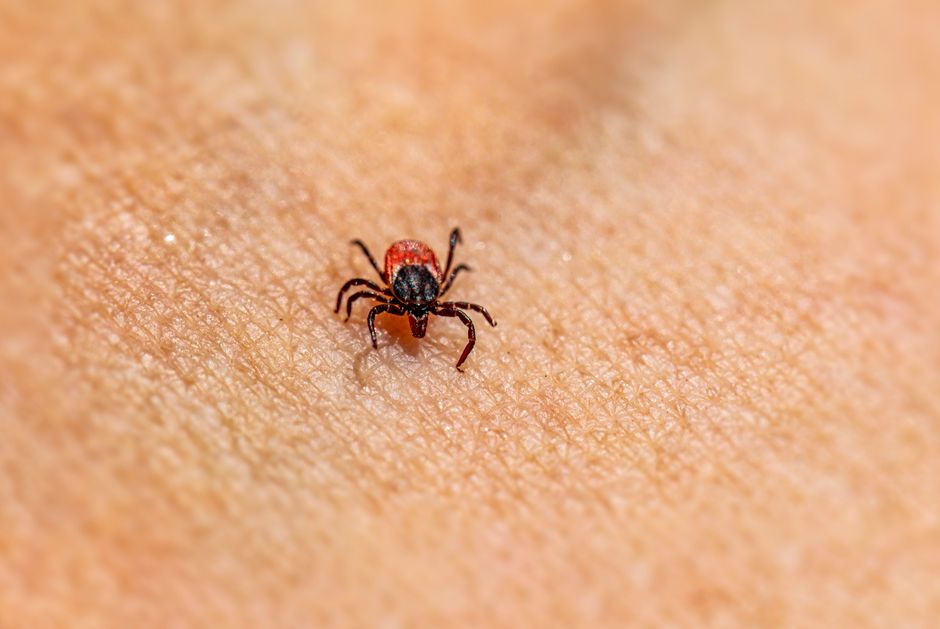
Flea bites itch because the flea injects saliva into your skin while feeding. That saliva contains proteins your immune system reacts to, which triggers the release of histamine and causes the intense, persistent itch. To stop the itching quickly, wash the area with soap and water, apply a cold compress, and use an over-the-counter anti-itch cream containing hydrocortisone or calamine lotion. An oral antihistamine can help if the itching is widespread or keeping you awake at night.
Why Do Flea Bites Itch So Much?
The itch from a flea bite is an allergic reaction, not damage from the bite itself. When a flea bites, it injects anticoagulant saliva to keep your blood from clotting while it feeds. Your immune system recognizes these foreign proteins and releases histamine at the site.
Histamine causes the small blood vessels in the area to widen and leak fluid. That produces the red bump, the swelling, and the nerve signals your brain reads as itch. The reaction usually peaks within 12 to 24 hours after the bite.
Some people react more strongly than others. People who have been bitten repeatedly over time can develop a more intense response. Others barely react at all. This is why one person in a household may have angry, swollen bites while another person has nothing visible.
How To Get Flea Bites To Stop Itching? Tips That Work
Start with the basics. Wash the bites with mild soap and cool water. This removes any remaining flea saliva and reduces the risk of infection if you have already scratched. Pat the skin dry — do not rub.
Apply a cold compress for 10 to 15 minutes at a time. Cold numbs the nerve endings in the skin and constricts blood vessels, which reduces both swelling and itch. A clean cloth soaked in cold water or a bag of frozen vegetables wrapped in a towel both work.
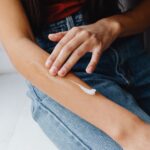
For the itch itself, an over-the-counter hydrocortisone cream (1%) is the most reliable option. It works by suppressing the local immune response that drives the itching. Apply a thin layer once or twice a day for a few days. Calamine lotion is a gentler alternative that cools and dries the area.
An oral antihistamine such as cetirizine, loratadine, or diphenhydramine can help when bites are numerous or the itch is interfering with sleep. These block histamine from binding to receptors in the skin, reducing the itch signal at its source. Diphenhydramine causes drowsiness and is best used at night.
Do not scratch. Scratching breaks the skin and opens the door to bacterial infection. If you are scratching without realizing it, keep your nails short and consider covering the bites with a bandage or light clothing.
Home Remedies: What Helps and What Does Not
Several home remedies are popular for flea bites, but the evidence for most is thin. A cool oatmeal bath can be soothing because the fine particles coat the skin and reduce irritation. Colloidal oatmeal is the form most often studied for itchy skin conditions.
Aloe vera gel provides a cooling sensation that can distract from the itch, but it does not block the histamine response. It may help mild cases. Witch hazel has mild astringent properties that can dry the bite and reduce the urge to scratch.
Some people use rubbing alcohol or hydrogen peroxide on bites. These can dry out the skin and delay healing. They also sting. There is no evidence they reduce itching better than plain soap and water.
Essential oils such as tea tree or lavender are sometimes recommended. No clinical evidence supports their use for flea bites specifically. They can also cause skin irritation or allergic contact dermatitis in some people. If you try them, dilute them heavily and stop if the skin worsens.




When To See a Doctor
Most flea bites resolve on their own within a few days to a week. See a doctor if the bite area becomes increasingly red, swollen, warm, or painful. These are signs of a secondary bacterial infection, which may require prescription treatment.
Seek medical attention promptly if you develop signs of a severe allergic reaction. These include difficulty breathing, swelling of the face or lips, dizziness, or a rash that spreads beyond the bite area. This is rare but requires urgent care.
Flea bites on the lower legs and feet are most common because fleas jump from the ground or carpet. If you have bites in other areas, consider whether you have been in contact with an infested animal or environment.
How To Prevent Flea Bites in the First Place
Stopping the itch starts with stopping the fleas. Treating the bites alone will not help if the fleas remain in your home or on your pets. A single flea can bite multiple times, and an infestation can keep producing new bites for weeks.
If you have pets, treat them with a veterinarian-approved flea control product. This is the most important step. Do not use dog products on cats and vice versa — some are toxic to the wrong species.
Wash all bedding, pet bedding, and removable upholstery covers in hot water. Vacuum carpets, rugs, and furniture thoroughly, and dispose of the vacuum bag or empty the canister outside immediately. Flea eggs and larvae can survive in carpets and cracks for weeks.
In severe infestations, professional pest control may be necessary. Fleas are persistent, and treating only the pet or only the home often fails. A comprehensive approach targeting both is required.
Flea Bites vs. Other Insect Bites
Flea bites have a distinctive pattern that can help you identify them. They often appear in clusters or lines, typically on the ankles and lower legs. The bites are small, red, and often have a tiny red dot in the center where the flea fed.
Bed bug bites can look similar, but they often appear on areas exposed while sleeping, such as the arms, neck, and face. Mosquito bites are usually larger and more irregular in shape. If you are unsure what is biting you, look for evidence of the insects themselves — flea dirt (small black specks) on pet bedding, or blood spots on sheets.
Identifying the source matters because the treatment for the bites is similar, but the control strategy is completely different. You cannot eliminate fleas by treating for bed bugs, and vice versa.
Common Mistakes That Make Flea Bites Worse
Scratching is the most common mistake. It provides temporary relief but triggers more histamine release, which makes the itching worse in the long run. It also risks infection.
Applying heat is another mistake. Some people find that a hot shower or heating pad feels good on the bite, but heat increases blood flow to the area, which can worsen swelling and itching afterward.
Using multiple anti-itch products at once can irritate the skin further. Stick to one treatment approach at a time. If one product is not working after a few days, switch to a different one rather than layering them.
Ignoring the fleas themselves is the biggest error. No amount of bite treatment will give lasting relief if you keep getting bitten. The bites will stop only when the fleas are gone.
Frequently Asked Questions
How long do flea bites take to stop itching?
Flea bites typically stop itching within a few days to a week. Treatment with hydrocortisone cream and oral antihistamines can reduce the itch within hours.
Does toothpaste stop flea bites from itching?
Toothpaste has no proven ability to stop flea bite itching. The cooling sensation may briefly distract from the itch, but it does not treat the underlying allergic reaction.
Can I pop a flea bite blister?
Do not pop a blister from a flea bite. Popping it increases the risk of infection and slows healing. Keep the area clean and covered if it is draining.
Why do flea bites itch more at night?
Flea bites often itch more at night because cortisol levels drop during sleep, which reduces the body’s natural anti-inflammatory response. Fewer distractions also make the itch more noticeable.
