
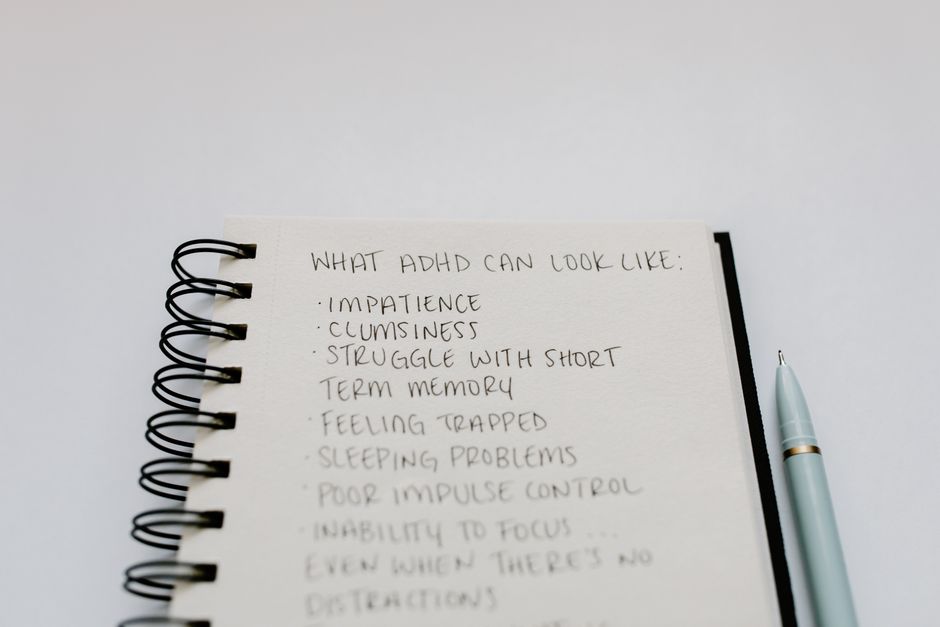
Getting an ADHD diagnosis as an adult woman often takes longer than it should. Many women are misdiagnosed for years with anxiety or depression before ADHD is even considered. The path forward is clear: find a clinician who specializes in adult ADHD, gather your history, and be prepared to describe your symptoms in daily life terms rather than just how you feel inside.
Why Adult Women Are Often Missed
ADHD was long considered a childhood condition that mostly affected boys. That belief shaped how doctors learned to spot it. Boys with ADHD often show visible hyperactivity — fidgeting, running around, interrupting class. Girls tend to show a different pattern.
Many women have the inattentive form of ADHD. They may daydream, lose things constantly, struggle to start tasks, or feel chronically overwhelmed by everyday demands. These symptoms look like personality traits or stress, not a brain-based condition. As a result, women often learn to hide their struggles with elaborate coping systems. By adulthood, those systems may be so well-built that even the woman herself does not realize how hard she is working to stay functional.
Research consistently shows that women are referred for ADHD evaluation later than men and are more likely to be diagnosed with anxiety or depression first. Sometimes those conditions genuinely coexist. But when the core issue is ADHD, treating only the anxiety leaves the underlying problem untouched.
What Adult ADHD Actually Looks Like in Women
ADHD in adult women often shows up as chronic disorganization, time blindness, and emotional dysregulation. You may start ten projects and finish none. You may lose your phone multiple times a day. You may be perpetually late despite trying hard to be on time. You may feel intense shame about these patterns because you have been told your whole life that you are lazy or careless.
Emotional symptoms are common but rarely listed on checklists. Many women with ADHD describe feeling overwhelmed by rejection, struggling to manage frustration, or having intense reactions that feel out of proportion to the trigger. These emotional symptoms are real and are increasingly recognized as part of ADHD, though they are still not in the formal diagnostic criteria.
Another overlooked sign is the “masking” pattern. You may have developed rigid routines, checklists, or anxiety-driven perfectionism to compensate. You may be high-achieving at work while your home life is chaos. This split presentation confuses clinicians who expect ADHD to look like failure across all settings.
How To Get Diagnosed With ADHD As An Adult Woman: The Steps
The diagnostic process for adult ADHD follows a specific structure. Knowing what to expect helps you prepare and reduces the chance of a rushed or inaccurate assessment.
First, schedule an evaluation with a qualified professional. This can be a psychiatrist, psychologist, or psychiatric nurse practitioner. What matters most is that they have experience assessing adults — ideally adult women — for ADHD. General practitioners often have limited training in adult ADHD and may not recognize the inattentive presentation.
Second, gather your history. The clinician will want to know when your symptoms started. ADHD is a developmental condition, meaning symptoms must have been present in childhood, even if they were never diagnosed. You may need to bring report cards, old school notes, or ask a parent or sibling to describe what you were like as a child. If you cannot provide these, that is not a barrier — the clinician can work with your recollections and current patterns.
Third, be ready to give specific examples. Instead of saying “I can’t focus,” describe what that looks like: “I read the same paragraph five times and still don’t know what it said.” Instead of “I’m disorganized,” say “I lose my keys at least three times a week and it makes me late for work.” Concrete examples help the clinician distinguish ADHD from other conditions.
The evaluation itself typically takes one to two hours. It may include structured interviews, self-report rating scales, and sometimes input from a partner or close friend. There is no single medical test for ADHD. The diagnosis is clinical, based on your history and current symptoms meeting established criteria.





What the Diagnostic Criteria Require
The formal criteria for ADHD require that symptoms be present before age 12, appear in multiple settings, and interfere with daily functioning. For adults, the threshold is five or more symptoms from the inattentive or hyperactive-impulsive lists, rather than the six required for children.
Inattentive symptoms include difficulty sustaining attention, making careless mistakes, trouble organizing tasks, avoiding tasks that require sustained mental effort, losing things, being easily distracted, and forgetting daily activities. Hyperactive-impulsive symptoms include fidgeting, leaving your seat when staying seated is expected, feeling restless, talking excessively, blurting out answers, and difficulty waiting your turn.
Clinicians also need to rule out other explanations. Thyroid problems, sleep disorders, vitamin deficiencies, and mood disorders can all produce symptoms that look like ADHD. A thorough evaluation will typically include screening for these conditions. Some clinicians order blood work to rule out medical causes before making a diagnosis.
Finding the Right Clinician
Not all mental health professionals are equally skilled at diagnosing adult ADHD. Look for someone who specifically mentions adult ADHD on their website or professional profile. Ask directly during the initial phone call: “How many adult women have you assessed for ADHD?” A clinician who says they see it regularly is a better choice than one who says they can “take a look.”
Be cautious about online-only ADHD services. Some telehealth platforms offer quick assessments and prescribe medication after a short video visit. While some of these services are legitimate, others have been criticized for overdiagnosing and overprescribing. A thorough evaluation takes time. If a service promises a diagnosis in 15 minutes, that is a red flag.
Cost is a real consideration. A comprehensive evaluation can range from several hundred to over a thousand dollars, depending on your location and insurance. Many insurance plans cover ADHD assessment by in-network providers. If you are paying out of pocket, ask about payment plans or sliding scales. Some university psychology clinics offer lower-cost evaluations by supervised trainees.
What Happens After the Diagnosis
A diagnosis opens the door to treatment, but it is not the finish line. The two main treatment approaches are medication and behavioral therapy, and they work best together.
Stimulant medications such as methylphenidate and amphetamine-based drugs are the most studied treatments for ADHD. They are effective for most adults, though finding the right medication and dose can take time. Non-stimulant options exist for people who cannot take stimulants due to heart conditions, anxiety, or side effects. Your clinician will guide this process, and it may require several follow-up appointments to get right.
Behavioral therapy for adult ADHD focuses on building practical skills: time management, organization, emotional regulation, and reducing procrastination. Unlike childhood ADHD coaching, adult therapy addresses the specific life demands you face — work deadlines, parenting, finances, relationships. Some research suggests that combining medication with therapy produces better long-term outcomes than either alone.
Many women describe a profound emotional shift after diagnosis. Years of self-blame suddenly make sense. The diagnosis does not excuse the struggles, but it explains them. That understanding can be the foundation for real change.
When the Diagnosis Is Not ADHD
Sometimes the evaluation concludes that ADHD is not the right diagnosis. That can be disappointing, especially if you were hoping for answers. But it is important information. Your symptoms are real regardless of the label. The clinician should help you understand what they found and what conditions might better explain your experience.
Conditions that can mimic ADHD include anxiety disorders, depression, bipolar disorder, and sleep disorders like sleep apnea. Chronic stress and burnout can also produce attention problems, forgetfulness, and irritability that look like ADHD. Treating the underlying condition often resolves the attention symptoms.
If you disagree with the evaluation, you can seek a second opinion. Just as in any medical specialty, clinicians vary in their expertise and judgment. A second evaluation from a different specialist can provide clarity. Some women are diagnosed on their second or third attempt because they finally found a clinician who understood the adult female presentation.
Frequently Asked Questions
Can I get diagnosed with ADHD as an adult woman without childhood records?
Yes. Childhood records help but are not required. The clinician can work with your memory of childhood patterns and current symptoms to make the diagnosis.
What kind of doctor can diagnose ADHD in adults?
A psychiatrist, psychologist, or psychiatric nurse practitioner with experience in adult ADHD can make the diagnosis. General practitioners may refer you to a specialist.
How long does an adult ADHD evaluation take?
A thorough evaluation typically takes one to two hours, sometimes split across two appointments. Assessments that take less than 30 minutes are usually not comprehensive enough.
Will my insurance cover ADHD testing for adults?
Many insurance plans cover ADHD evaluation by in-network providers, but coverage varies. Contact your insurance company before scheduling to confirm what is included.
