
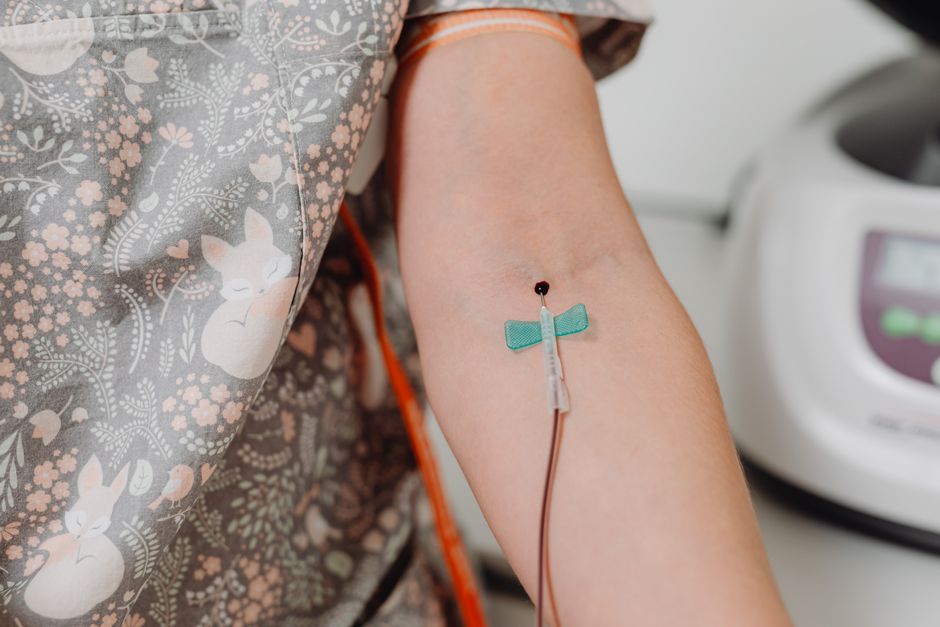
Getting blood work done is one of the most common and important steps in preventive healthcare. The process is straightforward: you need a doctor’s order, you schedule an appointment at a lab or clinic, and you follow specific preparation rules like fasting if required. Most blood draws take less than five minutes, and results typically arrive within a few days through a patient portal or your doctor’s office.
Do You Need a Doctor’s Order for Blood Work?
In most cases, yes. A healthcare provider must order the specific tests you need. This ensures the right tests are run for your symptoms, risk factors, or routine screening schedule.
You can get an order from your primary care doctor, a specialist, or a telehealth service. Some states allow direct-to-consumer lab testing, where you can purchase your own tests without a doctor’s visit. These services are convenient but have limits. The results are not interpreted by a physician, and you may still need to see a doctor to act on abnormal findings.
If you have a chronic condition like diabetes or high cholesterol, your doctor may give you a standing order. This lets you get blood work done at regular intervals without a new appointment each time.
How Do You Prepare for a Blood Test?
Preparation depends entirely on the type of test you are getting. Fasting tests require you to avoid food and drinks other than water for 8 to 12 hours before your appointment. Common fasting tests include fasting glucose, lipid panels, and some metabolic panels.
Non-fasting tests do not require any dietary changes. Complete blood counts, thyroid tests, and many hormone panels fall into this category. Your doctor’s order should state whether fasting is required. If you are unsure, call the lab ahead of time.
Stay hydrated before your draw. Water makes your veins easier to find and the process smoother. Avoid strenuous exercise in the 24 hours before your test, as it can temporarily alter certain lab values like creatine kinase and liver enzymes.
Tell your doctor about every medication and supplement you take. Some can affect test results. Your doctor may ask you to hold certain medications before the draw, but never stop a prescribed medication without explicit instructions.
Where Can You Get Blood Work Done?
You have several options for where to complete your blood draw. Hospital outpatient labs, independent lab companies like Quest Diagnostics and Labcorp, and some urgent care centers all perform blood draws. Many clinics have on-site labs where your blood can be drawn during your appointment.
Your choice of location affects convenience and cost. Independent labs often have many locations and extended hours. Hospital labs may be more expensive but are necessary for certain specialized tests. Some tests can only be processed by specific laboratories, so your doctor’s order may indicate a designated facility.
Before scheduling, confirm that the lab accepts your insurance. If you are paying out of pocket, ask for a price estimate in advance. Lab prices vary widely, and you have the right to shop around.




What Happens During the Blood Draw?
The blood draw itself is quick and routine. A phlebotomist — a specialist trained in drawing blood — will clean the area, usually the inside of your elbow, with an antiseptic wipe. They will place a tourniquet around your upper arm to make your veins more visible.
You will feel a brief pinch as the needle enters. The entire collection usually takes less than a minute. The phlebotomist will remove the needle, apply pressure to the site, and place a small bandage over it.
Tell the phlebotomist if you feel dizzy or nauseous. They are trained to handle this and will have you sit or lie down until you feel better. If you have a history of fainting during blood draws, mention it before the procedure starts.
How Long Does It Take to Get Blood Test Results?
Most routine blood test results are available within 24 to 72 hours. Some tests take longer. Genetic tests, specialized hormone panels, and cultures for infections can take several days to a week or more.
Results are usually released through a patient portal or mailed to you. Your doctor’s office will also receive a copy. Many practices have a policy of contacting you only if results are abnormal, so do not assume silence means everything is fine.
If you have not received results within a week, call your doctor’s office. It is reasonable to ask for a copy of your results for your own records. You have a legal right to access your medical records, including lab results.
How Do You Understand Your Blood Test Results?
Lab reports list each test, your result, and a reference range. The reference range is the normal range for a healthy population. A result outside the reference range does not automatically mean something is wrong.
Many factors affect lab values. Medications, hydration, time of day, stress, and recent meals all influence results. A single abnormal value may be a temporary fluctuation. Doctors rarely make decisions based on one out-of-range result without considering your symptoms and medical history.
Reference ranges vary between laboratories because different labs use different equipment and methods. This is why your results are compared to the range listed on your specific report, not to a universal standard.
Do not attempt to diagnose yourself from raw lab values. Wait for your doctor to interpret the results in context. If you have questions about a specific value, ask your doctor to explain what it means for you personally.
How Often Should You Get Blood Work Done?
For generally healthy adults, routine blood work is often recommended every 1 to 3 years as part of a preventive health visit. The exact timing depends on your age, risk factors, and medical history.
People with chronic conditions like diabetes, kidney disease, or thyroid disorders may need blood work every 3 to 6 months. People taking certain medications, such as blood thinners or cholesterol drugs, need regular monitoring to check for side effects and effectiveness.
Talk to your doctor about what schedule makes sense for you. Routine screening is not a one-size-fits-all recommendation.
What Are the Risks of Blood Work?
Blood work is very safe. The most common side effects are minor bruising, soreness, and slight bleeding at the puncture site. These resolve within a day or two.
More serious complications are rare. Infection at the draw site is possible but uncommon when standard sterile procedures are followed. Nerve injury, excessive bleeding, and fainting can occur but are not typical.
If you take blood thinners, tell the phlebotomist. You may bleed longer after the draw, and applying firm pressure for several minutes can help. If bleeding does not stop or the area becomes red, swollen, or painful, contact your doctor.
Frequently Asked Questions
Can I get blood work done without a doctor’s appointment?
Yes, in many states you can order your own lab tests through direct-to-consumer services. However, a clinician will not interpret your results, and you may need to see a doctor to address any abnormal findings.
Do I need to fast before a blood test?
Only if your specific test requires it. Fasting blood sugar and lipid panels typically require 8 to 12 hours without food, but many other tests do not require fasting at all.
How much does blood work cost without insurance?
Costs vary widely by test and location, ranging from about $20 for a single test to several hundred dollars for a comprehensive panel. Ask the lab for a price estimate before your appointment.
What should I do if I am afraid of needles?
Tell the phlebotomist before the draw. They can help you lie down, use distraction techniques, and take extra time to make the process more comfortable.
