
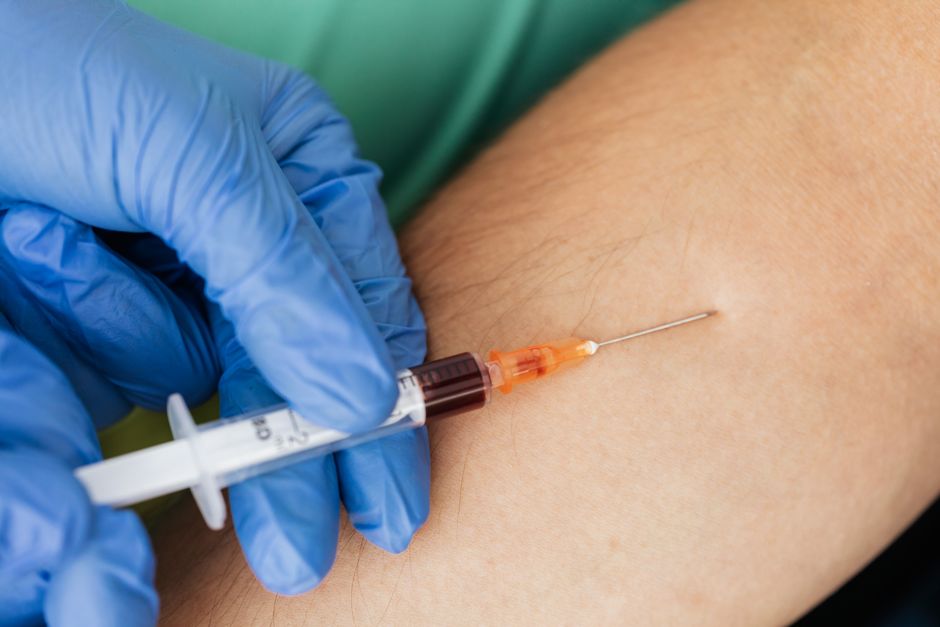
Yes, IVIG can affect blood work and lab tests. It changes results in two main ways: it can temporarily alter measured antibody levels, and it can interfere with certain lab testing methods. These changes can last for weeks or even months after your infusion, and they matter because they can lead to misdiagnosis if your doctor does not know you received IVIG.
What Is IVIG and Why Does It Change Lab Results?
IVIG stands for intravenous immunoglobulin. It is a blood product made from the pooled antibodies of thousands of healthy donors. Doctors use it to treat immune deficiencies, autoimmune diseases, and some inflammatory conditions.
The infused antibodies do more than fight infection. They circulate in your blood for weeks. Your immune system also clears them slowly. While they are present, they show up in lab tests that measure immunoglobulin levels.
This is the first and most obvious effect. If you have an IgG test right after IVIG, the number will be high. That is not a false reading. The antibodies are genuinely in your blood. But the result does not reflect your body’s own antibody production. It reflects the infusion.
How Long Does IVIG Affect Lab Tests?
The effect is not permanent, but it is not brief either. IgG antibodies from IVIG have a half-life of roughly 21 to 28 days. Half-life means the time it takes for half of the infused antibodies to disappear from your blood.
So after one month, about half of the infused IgG is still circulating. After two months, about a quarter remains. In practical terms, most doctors expect IVIG to influence certain lab values for 30 to 90 days after the last infusion.
This timeline matters for anyone having routine blood work. If you had IVIG last week, your IgG level will be elevated. If you had it three months ago, it may have returned to your baseline. The exact duration depends on your dose, your metabolism, and whether you continue to receive regular infusions.
Does IVIG Cause False Positive Test Results?
Yes, in specific situations. The most important one involves blood type testing and antibody screening before a blood transfusion.
IVIG contains antibodies from thousands of donors. Some of those donors had antibodies against blood group antigens that you do not have. When your blood is tested, those infused antibodies can react. This can create a false positive on the antibody screening test. That means the lab may think you have antibodies that could cause a transfusion reaction when you actually do not.
This is why blood banks ask about recent IVIG treatment. Standard practice is to wait at least two to four weeks after IVIG before collecting blood for transfusion purposes. Some hospitals wait longer.
Another common false positive involves certain infection tests. Some IVIG products contain antibodies to viruses that the donors were exposed to. If you are tested for those infections soon after IVIG, you may test positive even if you have never been infected. This has been documented with tests for hepatitis B, hepatitis C, and cytomegalovirus.





Can IVIG Interfere With Specific Lab Methods?
Beyond antibodies themselves, IVIG can interfere with the chemistry of certain lab tests. This is called assay interference. It happens because the high concentration of protein in your blood changes how some tests react.
The most well-documented interference is with tests that use a method called immunoturbidimetry or nephelometry. These tests measure proteins by attaching antibodies to them. If the test antibodies cross-react with IVIG antibodies, the result can be wrong.
Tests that can be affected include measurements of specific proteins like ceruloplasmin, haptoglobin, and some complement proteins. The readings may come back falsely low or falsely high.
There is also a documented effect on blood glucose testing in rare cases. Some IVIG products contain maltose or other sugars that can interfere with certain glucose test strips. This is less common now because manufacturers changed their formulations, but it is still worth knowing if you check your blood sugar at home.
Does IVIG Affect Complete Blood Count Results?
A complete blood count, or CBC, measures red blood cells, white blood cells, and platelets. IVIG does not directly change these cell counts in the way it changes antibody levels. But it can have indirect effects.
Some people experience hemolytic anemia after IVIG. This means the infused antibodies attach to your red blood cells and cause them to be destroyed faster than normal. This is not common, but it happens. If it does, your hemoglobin and hematocrit will drop on lab tests.
IVIG can also cause a temporary drop in white blood cell count or platelet count in some people. These changes are usually mild and resolve on their own. However, a routine CBC taken during this window could show results that look concerning if your doctor does not know about the infusion.
What Lab Tests Are Most Affected by IVIG?
The table below summarizes the main tests affected and what happens to the results.
| Lab Test | Effect of IVIG | Duration |
|---|---|---|
| IgG level | Falsely elevated | 30-90 days |
| Blood type antibody screen | False positive possible | 2-4 weeks or longer |
| Viral antibody tests | False positive possible | Weeks to months |
| Specific protein assays | May be falsely low or high | Varies by test |
| Hemoglobin (CBC) | May drop if hemolysis occurs | Varies |
| Platelet count | May drop temporarily | Usually days to weeks |
This is not a complete list. The key point is that any lab test measuring antibodies or proteins can potentially be affected.
What Should You Tell Your Doctor About IVIG?
You should tell every doctor who orders blood work that you receive IVIG. Include the date of your most recent infusion and the dose you received.
This is not about being secretive. It is about giving your doctor the information needed to interpret your results correctly. Without this information, a doctor could mistake an elevated IgG level for an underlying condition like an autoimmune disease or a blood cancer.
If you are having surgery or any procedure that might require a blood transfusion, tell the surgical team about your IVIG treatment well in advance. They may need to adjust their testing protocols or wait before doing certain blood type tests.
For routine lab monitoring, your doctor can plan blood draws at the right time. Many clinicians schedule lab work just before your next IVIG infusion when the antibody levels are at their lowest. This gives a more accurate picture of your baseline.
Does IVIG Affect Kidney and Liver Function Tests?
IVIG can affect kidney function, but the effect is different from the assay interference described above. Some people develop kidney problems after IVIG infusion. This is more likely in people who already have kidney disease, are older, or receive high doses quickly.
If kidney injury occurs, your blood tests will show elevated creatinine and blood urea nitrogen levels. This is a real effect, not a lab error. It requires medical attention.
Liver function tests are less commonly affected. Some people show mild temporary elevations in liver enzymes after IVIG. These usually return to normal without treatment. If your liver enzymes are checked soon after an infusion, your doctor should consider IVIG as a possible cause of a mild elevation.
How Can You Avoid Misleading Lab Results After IVIG?
The most effective strategy is timing. If your lab tests are not urgent, wait at least two to three weeks after an IVIG infusion before having blood drawn. This reduces the chance of interference with antibody-based tests.
For tests that must be done sooner, make sure the lab knows about your IVIG treatment. Some laboratories can use alternative testing methods that are less affected by high antibody levels.
Keep a record of your infusion dates. Bring this information to every medical appointment. It takes seconds to share and can prevent hours of confusion from unexplained lab results.
If you receive IVIG regularly, talk to your doctor about a lab schedule that works around your infusion cycle. Many people have their blood drawn in the week before their next infusion, when antibody levels are lowest.
Frequently Asked Questions
How long after IVIG should I wait before blood tests?
Wait at least two to three weeks for most routine tests. For antibody-based tests, waiting 30 to 90 days gives the most accurate picture of your own immune status.
Can IVIG cause false positive tests for autoimmune diseases?
Yes, it can. Some autoimmune disease tests measure antibody levels that IVIG directly raises, so results may look positive when no disease is present.
Should I stop IVIG before having blood work done?
No, never stop IVIG on your own. Instead, talk to your doctor about the best timing for blood draws around your scheduled infusions.
Does IVIG affect A1C or blood sugar tests?
Older IVIG products could interfere with some glucose testing methods, but current formulations are generally safe. Tell your doctor if you monitor blood sugar at home.
