
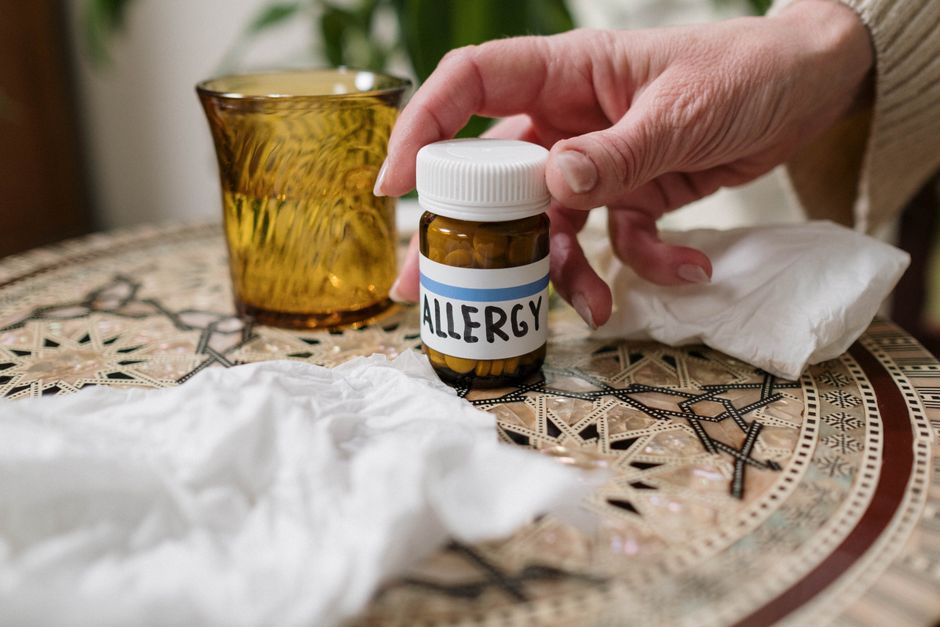
Allergy season hits hard for millions of Americans, and the search for real relief often feels endless. The most effective approach combines three proven strategies: identifying your specific triggers, using the right medication at the right time, and reducing your exposure to allergens in your home and environment. Start with an over-the-counter antihistamine for fast symptom control, then address your environment to prevent symptoms from returning. For persistent cases, allergy testing and immunotherapy offer longer-term solutions that target the root cause rather than just the symptoms.
What Causes an Allergic Reaction?
An allergy is an overreaction of your immune system to a substance that is normally harmless. Pollen, dust mites, pet dander, and mold are common culprits. When your body encounters one of these triggers, it releases histamine and other chemicals. That release causes the classic symptoms: sneezing, itchy eyes, runny nose, and congestion.
Your immune system is essentially mistaking a harmless protein for a threat. This response is not a sign of a weak immune system. It is an immune system that is responding incorrectly to a specific trigger. The severity of the reaction varies from person to person and can change over time.
Which Over-the-Counter Medications Work Best?
Antihistamines are the first line of defense for most people. They block the histamine receptors in your body, stopping symptoms before they start. Second-generation antihistamines like cetirizine, loratadine, and fexofenadine are popular because they cause less drowsiness than older options. These are taken once daily and are effective for most allergy sufferers.
Decongestants target nasal congestion specifically. They work by shrinking swollen blood vessels in your nasal passages. Pseudoephedrine is the most common oral decongestant, but it can raise blood pressure and cause insomnia. Topical decongestant sprays like oxymetazoline work quickly but should not be used for more than three days in a row. Longer use can cause rebound congestion, making your nose more blocked than before.
Nasal corticosteroid sprays are the most effective single treatment for allergic rhinitis. Fluticasone and triamcinolone are available over the counter. These sprays reduce inflammation directly in the nasal passages. They do not work instantly — you need to use them daily for several days to get full benefit. Many people make the mistake of trying one spray for a day and giving up. Consistency matters here.
How To Get Allergy Relief From Environmental Triggers
Medication treats symptoms, but reducing exposure treats the source. Start with your bedroom. Wash your sheets weekly in hot water to kill dust mites. Use allergen-proof covers on your mattress and pillows. These covers create a physical barrier between you and the mites that live in your bedding.
Keep windows closed during high pollen days. Pollen counts are highest in the early morning and on windy days. If you go outside, change your clothes when you come back in and shower before bed to wash pollen off your skin and hair. This simple routine can significantly reduce overnight symptoms.
Indoor humidity matters more than most people realize. Dust mites thrive in humid environments. Keep indoor humidity between 30 and 50 percent. A dehumidifier can help in damp basements or bathrooms. Air conditioning also helps because it filters and dehumidifies the air simultaneously.
Pet allergies are tricky because the allergen is not the fur itself. It is a protein found in saliva, urine, and dander. Bathing your pet weekly can reduce airborne allergen levels. Keeping pets out of the bedroom is one of the most effective steps you can take. HEPA air purifiers in the bedroom and living room can also reduce airborne particles.





When Should You See a Doctor?
Over-the-counter options work for many people, but not everyone. If you have tried a daily antihistamine and a nasal steroid spray for two weeks without meaningful improvement, see a doctor. You should also seek medical advice if your allergy symptoms interfere with sleep, work, or daily activities.
Allergy symptoms can sometimes mask other conditions. Chronic sinus infections, nasal polyps, and non-allergic rhinitis produce similar symptoms. A doctor can perform a proper evaluation to distinguish between these. They may recommend prescription-strength medications or refer you for allergy testing.
Warning signs that require immediate care include shortness of breath, wheezing, or swelling of the face or throat. These can indicate a severe allergic reaction that requires emergency treatment.
What Are Allergy Shots and Do They Work?
Allergy immunotherapy, commonly known as allergy shots, is the only treatment that changes how your immune system responds to allergens. Instead of just blocking symptoms, immunotherapy trains your immune system to tolerate the allergen. It works for many people with allergic rhinitis and allergic asthma.
The process involves regular injections of gradually increasing amounts of your specific allergens. The build-up phase typically lasts several months, followed by a maintenance phase that continues for three to five years. This is not a quick fix. It requires commitment and regular clinic visits.
Evidence shows that immunotherapy provides lasting relief even after treatment ends. Many people experience a significant reduction in symptoms and medication use. Sublingual immunotherapy tablets are an alternative for certain allergies, particularly grass and ragweed pollen. These dissolve under the tongue and can be taken at home, but they are only available by prescription.
Do Natural Remedies Actually Provide Relief?
Saline nasal rinses are one natural approach with solid evidence behind them. Rinsing your nasal passages with a sterile saline solution physically removes allergens and mucus. Use distilled, sterile, or previously boiled water — never tap water directly. Neti pots and squeeze bottles both work well when used correctly.
Butterbur is a herbal supplement that has shown promise in some studies for allergic rhinitis. However, raw butterbur contains compounds that can damage the liver. Only use processed products that have removed these compounds. The evidence for quercetin, a plant flavonoid, is mostly preliminary and based on laboratory studies rather than human trials.
Local honey is a popular claim, but the evidence does not support it. The theory is that consuming local pollen builds tolerance. Bee pollen in honey is not the same pollen that triggers seasonal allergies. Most pollen that causes allergies comes from wind-pollinated plants like trees and grasses, not from the flowers that bees visit. No large human trials have confirmed that honey provides meaningful allergy relief.
How To Build an Effective Daily Routine
Consistency is the key to allergy control. Taking medication only when symptoms appear means you are always playing catch-up. A better approach is to start daily medication before your allergy season begins. This gives the medication time to build up in your system and prevents symptoms from starting in the first place.
Check daily pollen counts in your area during peak season. Plan outdoor activities for times when counts are lower. Rain washes pollen out of the air, so the day after a good rain is often the best time for outdoor exercise. On high-pollen days, keep windows closed and recirculate air in your car.
Keep a symptom diary for two weeks. Write down when symptoms occur, what you were doing, and where you were. Patterns often emerge. If your symptoms are worse in the morning, dust mites in your bedroom may be the issue. If they are worse outdoors, pollen is the likely trigger. This information helps you target your efforts and is useful if you eventually see an allergist.
Frequently Asked Questions
What is the fastest way to get allergy relief?
An over-the-counter antihistamine provides the fastest symptom relief, usually within an hour. For nasal congestion, a saline rinse offers immediate relief without medication side effects.
Can you build immunity to allergies?
Allergy immunotherapy is the only treatment that can change your immune response to allergens. It requires months of regular treatment and works best for pollen, dust mite, and pet allergies.
Is it better to take allergy medicine at night or in the morning?
Take your daily antihistamine at the same time every day, morning or night. If it causes drowsiness, take it at night. If it causes insomnia, take it in the morning.
Do air purifiers help with allergies?
HEPA air purifiers can reduce airborne allergens in a single room. They work best in the bedroom where you spend the most continuous time, but they cannot replace medication or trigger avoidance.
