
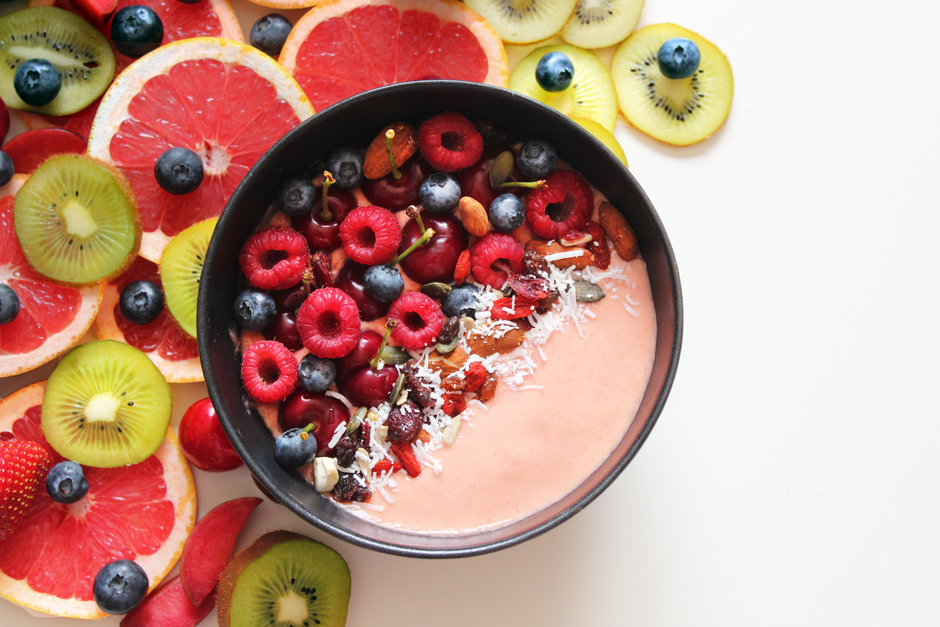
It is not realistic to get every single nutrient your body needs in one meal. A single meal cannot provide all essential vitamins, minerals, protein, fat, and fiber in the amounts required for daily health. The best approach is to build a balanced meal that covers major food groups—protein, vegetables, whole grains, healthy fats, and fruit. This gives you a broad range of nutrients, but you still need variety across the day and week to fill gaps.
What nutrients can you get in one meal?
A well-constructed meal can deliver a significant portion of your daily needs for many nutrients. Protein, carbohydrates, fat, fiber, vitamins, and minerals can all be included if you choose the right combination of whole foods. For example, a plate with grilled chicken, quinoa, roasted broccoli, and avocado provides protein, complex carbs, fiber, healthy fats, vitamin C, B vitamins, vitamin K, iron, and potassium.
However, certain nutrients are harder to get in adequate amounts from a single meal. Vitamin D, calcium (unless dairy or fortified foods are present), B12 (if no animal products), and omega-3 fatty acids often require separate sources. A single meal cannot realistically cover 100% of the Daily Value for all 30-plus essential nutrients. The body does not need every nutrient at every meal—it stores some and uses others over hours or days.
How To Get All Nutrients In One Meal What Actually Works? The practical approach
Instead of trying to achieve perfection in one plate, focus on nutrient density. Choose foods that pack more vitamins and minerals per calorie. Vegetables, fruits, legumes, nuts, seeds, lean proteins, and whole grains are the foundation. A simple rule: fill half your plate with vegetables and fruit, a quarter with protein, and a quarter with whole grains and healthy fats.
A meal that follows this pattern will supply a wide array of nutrients. For instance, a stir-fry with tofu, broccoli, bell peppers, carrots, brown rice, and sesame oil provides fiber, protein, iron, calcium (from fortified tofu), vitamin C, B vitamins, magnesium, and healthy fats. It will not give you enough calcium, vitamin D, B12, or omega-3s for the whole day, but it is an excellent start. The real answer is that no single meal can do it all, but a carefully chosen meal can deliver enough key nutrients to keep you healthy.
What does a truly balanced plate look like?
Dietary guidelines from the USDA and other health authorities recommend a simple visual: half the plate vegetables and fruit, one-quarter protein, one-quarter grains and starches. This is not a strict rule but a useful guide. For a one-dish meal, such as a grain bowl or soup, aim for the same proportions by volume.
A balanced plate might look like this: 3–4 ounces of grilled salmon (protein, omega-3s, B12, selenium), 1 cup of roasted sweet potatoes and kale (fiber, vitamins A, C, K, potassium, iron), and a tablespoon of olive oil or a quarter avocado (healthy fats, vitamin E). This meal is nutrient-rich but still lacks significant calcium and vitamin D. If you add a glass of milk or a calcium-fortified plant milk, you cover those gaps. Even then, you would still need variety at other meals for nutrients like zinc, magnesium, and folate in optimal amounts.





Can a smoothie or salad cover all your nutrients?
Smoothies and salads are often promoted as “complete meals,” but they have limits. A smoothie made with spinach, banana, berries, Greek yogurt, flaxseeds, and almond milk delivers many nutrients: protein, calcium, vitamin C, fiber, omega-3s (from flax), and B vitamins. However, it lacks significant amounts of iron, zinc, and B12 (unless fortified or using animal products). It is also low in overall protein compared to a solid meal unless you add protein powder.
A salad with lettuce, tomatoes, cucumbers, chickpeas, sunflower seeds, and grilled chicken is more balanced. It provides protein, fiber, vitamins A, C, K, iron, and healthy fats. But a typical salad still falls short on B12 (if no animal products), vitamin D, and calcium (unless cheese or fortified ingredients are included). No single smoothie or salad can meet all daily nutrient targets. They are excellent components of a varied diet, not a one-meal solution.
Are there any nutrient gaps to watch for in one meal?
Even the most nutrient-dense meal will miss certain nutrients. Vitamin D is found in very few foods (fatty fish, egg yolks, fortified dairy, and mushrooms exposed to UV light). A single meal is unlikely to provide the recommended daily intake of 600–800 IU unless you eat a large serving of salmon or drink fortified milk. Most people get vitamin D from sun exposure or supplements.
Calcium is another common gap. One meal without dairy or fortified plant products provides little calcium. For example, a cup of cooked kale has about 100 mg of calcium, while the daily requirement is 1000–1200 mg. You would need to eat enormous portions to meet that in one meal. B12 is virtually absent from plant-based meals unless fortified. Iron from plant sources (non-heme) is less absorbed and is better paired with vitamin C. A meal of lentils, spinach, and tomatoes is good but still not enough for the day’s iron needs if you are a menstruating woman (18 mg/day).
Omega-3 fatty acids (EPA and DHA) are mainly found in fatty fish. Plant sources like flax and walnuts provide ALA, which the body converts inefficiently. A single plant-based meal will not supply meaningful EPA/DHA. If you eat salmon, you can cover the day’s requirement, but then you miss other nutrients unless the meal is varied.
Why variety across meals matters more than perfection
Trying to get every nutrient in one meal is neither necessary nor realistic. The body can store some nutrients (fat-soluble vitamins, B12, iron) and uses others (water-soluble vitamins) more quickly. What matters most is the overall pattern of your diet over days and weeks. A 2017 study in the Journal of Nutrition found that dietary diversity—eating a variety of foods across food groups—was more strongly associated with nutrient adequacy than the nutrient content of any single meal.
If you eat a nutrient-dense breakfast, lunch, and dinner, you naturally cover more bases. For example, breakfast may provide fiber, B vitamins, and calcium (from cereal and milk). Lunch might add vegetables, protein, and healthy fats. Dinner rounds out with more vegetables, a different protein, and grains. Snacks can fill remaining gaps for fruits, nuts, or yogurt. This pattern is far easier to achieve than one “perfect” meal.
Some people wonder about “meal replacement” powders or shakes. While some are fortified with many vitamins and minerals, they often lack fiber, phytonutrients, and the satiety of whole foods. They are not designed to replace all nutrients from food long-term. Clinical guidelines do not recommend relying on them for complete nutrition.
What about nutrient timing and absorption?
Even if you pack every nutrient into one meal, absorption can be affected. Fat-soluble vitamins (A, D, E, K) need dietary fat to be absorbed. Calcium and iron compete for absorption—high calcium can reduce iron absorption. Vitamin C enhances iron absorption. Phytic acid in grains and legumes reduces mineral absorption. A single meal that contains iron, calcium, and phytate-rich foods may not allow optimal absorption of all nutrients simultaneously.
Spreading nutrients across meals avoids these interactions. For instance, having an iron-rich meal (lentils, spinach, citrus) at lunch and a calcium-rich meal (dairy or fortified foods) at dinner is more efficient than trying to combine them all at once. The body does not require perfect synergy; it adapts. But aiming for variety throughout the day is more physiologically sound than aiming for completeness in one sitting.
Frequently Asked Questions
Can I get all my daily vitamins in one meal?
No, it is not possible to get all essential vitamins in adequate amounts from a single meal. Some vitamins are low in most foods (like vitamin D) or need to be spread across multiple meals for proper absorption.
What is the most nutrient-dense meal I can eat?
A meal with lean protein, dark leafy greens, colorful vegetables, whole grains, and healthy fats is highly nutrient-dense. For example, grilled salmon, quinoa, roasted broccoli, and avocado offers a wide range of vitamins and minerals but still misses some like calcium and vitamin D.
Should I use a multivitamin to cover one-meal gaps?
A multivitamin can fill some gaps, but it is not a substitute for a varied diet. Whole foods provide fiber, phytonutrients, and compounds not found in supplements. Relying on one meal plus a pill does not replace the benefits of eating a diverse diet.
Is it safe to eat the same balanced meal every day?
Eating the same meal daily is not recommended because it narrows your nutrient variety. Even a good meal may lack certain nutrients like zinc, selenium, or vitamin K. Rotating different proteins, vegetables, and grains over the week is safer for long-term health.
