
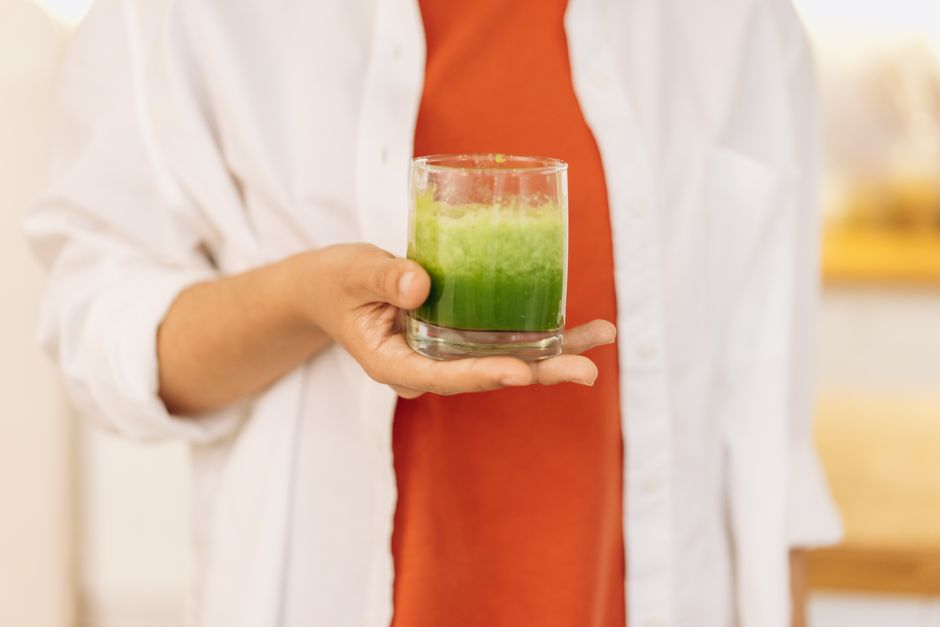
A colon cleanse promises to flush out toxins and leave you feeling lighter. The truth is simpler, and more useful. Your colon does not need a special product to clean itself — it clears waste on its own, every day, through normal muscle contractions and a healthy balance of gut bacteria. What actually helps is supporting that natural process with food, water, fiber, and movement. What does not help — and can cause real harm — is enemas, laxative “cleanses,” and colon hydrotherapy sold as detox kits.
What Does “Colon Cleanse” Actually Mean?
The phrase gets used for two very different things, and mixing them up causes most of the confusion.
The first meaning is a medical procedure. Doctors perform bowel preparation before a colonoscopy, using prescription solutions that empty the colon so the lining can be seen clearly. This is done for a specific diagnostic reason, under supervision, and it is not something to copy at home.
The second meaning is a commercial one. Colon cleanses sold online and in stores usually fall into a few categories: laxative teas and pills, fiber powders, enema kits, and colonic irrigation sessions. The marketing language is vague — “detox,” “flush,” “reset” — but the products themselves mostly make you poop more, or they don’t do much at all.
There is no established medical definition of a “colon cleanse” as a wellness practice. That matters, because it means there is no standard for what is in these products or what they are supposed to achieve. The claims are largely unregulated.
Why Your Colon Does Not Need Flushing
The colon’s job is to absorb water and electrolytes from what is left after digestion, then move the remaining waste out. It does this through peristalsis — waves of muscle contraction — and with help from the trillions of bacteria that live there.
The idea that waste gets “stuck” in the colon for weeks or months is not accurate. In healthy people, material moves through in a matter of days, not months. There is no evidence of a buildup of old, hardened waste coating the colon wall that requires a cleanse to remove.
Your body also has its own waste-clearing systems. The liver processes and breaks down many substances, the kidneys filter blood and produce urine, and the colon handles what’s left. No cleanse product has been shown to improve how any of these systems work.
One clarification worth knowing: the colon does contain bacteria and waste products, so of course there is material there. That is normal and expected. The question is not whether the colon contains waste — it always does — but whether removing it with a product provides any health benefit. No clinical evidence currently confirms that it does.
What Actually Works to Support Colon Health
If your goal is a colon that functions well, the evidence points to basic habits rather than products. These are not dramatic, and they do not come in a box with a “detox” label. But they are what research supports.
Fiber. Dietary fiber adds bulk to stool and helps it move through. It also feeds beneficial gut bacteria. Most adults in the US fall short of recommended fiber intake, which is generally cited as around 25 to 30 grams per day from food, though individual needs vary. Good sources include beans, lentils, whole grains, vegetables, and fruit.
Water. Fiber without enough fluid can make constipation worse. Staying hydrated helps keep stool soft. There is no single correct number of ounces for everyone — needs depend on body size, activity, climate, and diet — but pale yellow urine is a reasonable everyday sign of adequate hydration.
Movement. Physical activity stimulates the muscles of the digestive tract. Regular walking, even short and frequent, is associated with more regular bowel movements.
Routine. Going to the bathroom at a similar time each day, and not ignoring the urge, helps train the colon. The urge to go is a signal worth responding to.
Fermented foods. Yogurt with live cultures, kefir, sauerkraut, and similar foods contain beneficial bacteria. The evidence on how much they change gut health in healthy adults is mixed, but they are safe and part of a normal diet.



Home Practices and What the Evidence Says
Some at-home approaches are harmless and may help with mild constipation. Others carry genuine risk. It helps to separate them.
Prune juice and prunes have a mild laxative effect and are commonly used for constipation. This is well established and generally safe for most adults.
Magnesium can draw water into the intestines and soften stool. Some clinicians recommend it for constipation, but it is not appropriate for everyone — people with kidney problems, for example, should not use it without medical guidance. It can also interact with medications.
Senna and other stimulant laxatives are effective for short-term constipation. They are not meant for daily, long-term use. Overuse can lead to dependence, electrolyte problems, and in some cases worsening constipation.
Enemas and colon hydrotherapy involve putting water into the colon. These carry real risks: perforation of the bowel, infection, electrolyte imbalances, and in rare cases serious injury. The evidence that they provide any health benefit beyond short-term relief is limited. No large human trials have confirmed that they “detoxify” the body.
Herbal “detox” teas often contain senna or similar ingredients. The label may not make this obvious. The effect is a laxative effect, not a cleanse of anything specific.
If you have chronic constipation, the answer is not a stronger cleanse. It is finding the cause. Sometimes it is diet or hydration. Sometimes it is a medication side effect. Sometimes it is a condition like irritable bowel syndrome or thyroid problems. Those need a doctor’s assessment, not a supplement.
Risks of Colon Cleansing Products
The risks are not theoretical. They are documented.
- Dehydration and electrolyte imbalance from repeated laxative use or enemas. Sodium and potassium levels can drop to dangerous levels.
- Bowel perforation, a rare but life-threatening complication of enemas and colon hydrotherapy.
- Dependence on laxatives, making natural bowel function harder over time.
- Interactions with prescription medications, especially diuretics, heart medications, and drugs that affect electrolyte balance.
- Delayed diagnosis. If a cleanse masks or distracts from symptoms of a serious condition, treatment gets pushed back.
People with certain conditions should avoid colon cleansing products entirely: inflammatory bowel disease, kidney disease, heart conditions, recent bowel surgery, and pregnancy. For pregnant women and breastfeeding women, no clinical guidelines support the use of colon cleanse products, and some ingredients are not considered safe.
Anyone with rectal bleeding, unexplained weight loss, persistent abdominal pain, or a change in bowel habits lasting more than a few weeks should see a doctor rather than try a cleanse. These symptoms need evaluation.
When to See a Doctor Instead
A cleanse is not a substitute for medical care. If constipation is new, severe, or lasting, that is a reason to get evaluated.
Warning signs that warrant prompt attention include blood in the stool, black or tarry stool, severe or worsening abdominal pain, vomiting, unexplained weight loss, and a family history of colon cancer combined with bowel changes. These are not situations for a home remedy.
For routine constipation, a doctor can suggest approaches based on your health history. Often that means dietary changes, increased fluids, and sometimes a specific type of laxative used correctly. Some clinicians also recommend fiber supplements like psyllium, which is well studied and generally well tolerated when taken with enough water.
One practical point: constipation is common, and it is usually manageable. It is also occasionally a sign of something that needs treatment. A cleanse delays that conversation. A doctor does not.
What a Realistic “Reset” Looks Like
If you want to feel better and support your digestive system, the honest version is unglamorous. Add fiber from food. Drink enough water. Move your body most days. Eat fermented foods if you tolerate them. Go when you need to go, and don’t rush it.
None of this produces the dramatic “cleansing” feeling that cleanse marketing promises. That feeling, when it happens after a cleanse, is usually the result of diarrhea and fluid loss — not detoxification. It is not a sign of health improving.
The colon is not a pipe that needs scrubbing. It is a living organ with its own maintenance system. The best thing you can do is give it what it needs and get medical help when something seems wrong.
Frequently Asked Questions
Do colon cleanses remove toxins from the body?
No clinical evidence confirms that colon cleanses remove toxins. Your liver, kidneys, and colon already handle waste removal on their own.
Are colon cleanse products safe?
Many carry real risks, including dehydration, electrolyte imbalance, and in rare cases bowel perforation from enemas. People with kidney disease, heart conditions, inflammatory bowel disease, or who are pregnant should avoid them.
What is the safest way to support colon health at home?
Fiber from food, adequate water, regular physical activity, and responding to the urge to go are the approaches supported by evidence. None require a purchased cleanse product.
When should I see a doctor about constipation instead of trying a cleanse?
See a doctor if constipation is new, severe, or lasting, or if you have blood in the stool, weight loss, or persistent abdominal pain. These symptoms need evaluation rather than a home remedy.
