
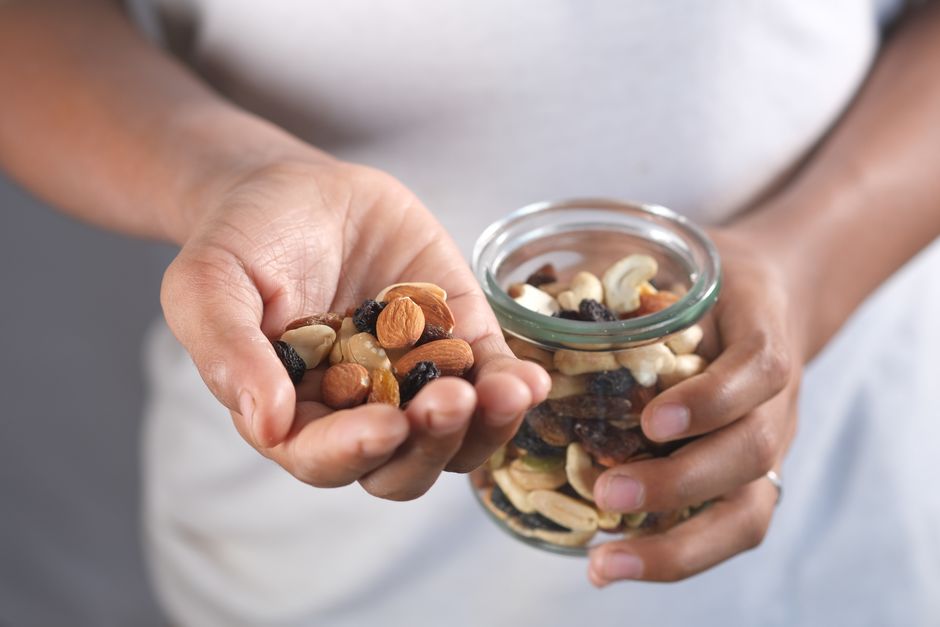
Yes, cashews and poison ivy are related. Both belong to the same botanical family, Anacardiaceae, often called the cashew family or sumac family. That family also includes mangoes, pistachios, and poison oak and poison sumac. The relationship is real, but it does not mean eating cashews gives you a poison ivy rash.
What most people do not realize is that the raw cashew shell contains a chemical cousin of the oil that causes poison ivy reactions. That is why cashews are never sold in their shells the way peanuts or walnuts are. Understanding this connection explains a lot about how cashews are processed and why some people react to them.
What Plant Family Do Cashews Belong To?
Cashews belong to Anacardiaceae, a family of flowering plants that produce a distinctive type of fruit. The family name comes from the cashew tree itself. It includes roughly 800 species of trees, shrubs, and vines growing mostly in tropical and warm regions.
The most familiar members of this family are:
- Cashews
- Mangoes
- Pistachios
- Poison ivy
- Poison oak
- Poison sumac
- Sumac (the spice)
Being in the same family means these plants share evolutionary ancestry and often share similar chemistry. It does not mean they are the same plant or that they cause the same reactions. Tomatoes and potatoes are in the same family too, and nobody confuses them.
The shared chemistry matters more than the shared name. Several plants in this family produce compounds called urushiols. These are the oils responsible for the itchy, blistering rash that poison ivy is famous for.
Are Cashews From Poison Ivy The Surprising Connection?
The connection is a shared chemical, not a shared plant. Cashews do not grow on poison ivy and poison ivy does not produce cashews. But both contain variations of the same class of oily compounds called urushiols.
Urushiol is not a single chemical. It is a group of related oily molecules. The specific urushiols in poison ivy are the ones that trigger the well-known allergic skin reaction in most people. The urushiols in the cashew shell are chemically similar but not identical.
This is why the cashew shell is a genuine skin hazard for workers who handle it. The shell oil can cause a rash similar to poison ivy in people who are sensitive to it. The nut inside the shell does not contain this oil. That distinction is the whole story.
Cashews and poison ivy are botanical relatives that happen to make related defensive oils. The edible part of the cashew is protected from that oil by the shell around it.
Why Are Raw Cashew Shells Dangerous to Handle?
The cashew shell contains an oil that can irritate skin and cause a contact rash. This is well documented in agricultural and occupational settings. Workers who shell cashews without protection can develop dermatitis on their hands and arms.
The oil is often called cashew nut shell liquid. It is not the same as the urushiol in poison ivy, but it produces a similar type of reaction in sensitive people. The rash is a delayed allergic response, meaning it does not appear immediately after contact.
This is exactly why you will never find raw cashews in their shells at a grocery store. The shelling process is done commercially under controlled conditions. Roasting the shells at high heat destroys or drives off most of the irritating oil before the nut is extracted.
Some people who work with cashew processing report skin reactions, and studies of cashew workers have documented occupational dermatitis. This is a real hazard for workers, not a concern for people eating shelled cashews from a store.



Can Eating Cashews Cause a Poison Ivy Reaction?
No. Eating properly processed cashews does not cause a poison ivy rash. The urushiol-like compounds are in the shell, not the nut, and commercial processing removes the shell and its oil.
There is one important exception worth knowing. People with a known poison ivy allergy sometimes report reactions after eating cashews, mangoes, or pistachios. This is not a poison ivy rash from touching the plant. It is a cross-reactivity phenomenon.
Cross-reactivity happens when the immune system learns to recognize one substance and then reacts to a chemically similar one. If your immune system is primed against poison ivy urushiol, it may occasionally mistake similar compounds in related foods for the same threat. This is uncommon but documented.
Reactions, when they occur, tend to involve the mouth, lips, or skin. Some people report itching or tingling after eating cashews. This is different from a true cashew allergy, which is a separate immune response to cashew proteins.
Is a Cashew Allergy the Same as a Poison Ivy Allergy?
No. These are two different immune reactions involving different targets. A cashew allergy targets proteins in the cashew nut. A poison ivy allergy targets urushiol oils from the plant.
Cashew allergy is a true food allergy. It involves the immune system responding to specific proteins. Symptoms can include hives, swelling, difficulty breathing, and in severe cases, a life-threatening reaction called anaphylaxis. Cashew allergy is one of the more common tree nut allergies.
Poison ivy allergy is a contact allergy. It requires direct skin contact with the plant’s oil. It cannot be triggered by eating a food unless that food contains a cross-reactive compound.
The overlap between the two is limited. Some people with poison ivy sensitivity may react to cashews, mangoes, or pistachios through cross-reactivity. But having a cashew allergy does not mean you are allergic to poison ivy, and being allergic to poison ivy does not mean you are allergic to cashews.
How Are Cashews Processed to Make Them Safe?
Cashew processing is designed to remove the shell and its irritating oil. The process happens in stages, and each stage reduces the risk from the shell.
First, the raw cashew is harvested. The cashew apple, a fleshy fruit, grows above the nut. The nut hangs below it in a hard shell. Workers remove the nut and prepare it for shelling.
Next comes roasting. The shells are heated, often in steam or in a roasting process, which helps break down the shell oil and makes the shell easier to crack. Some processors use an oil bath method, while others use steam. Both approaches reduce the irritating compounds.
After roasting, the shells are cracked and the inner nut is removed. The nut is then dried, peeled, and graded. The final product that reaches stores has gone through enough processing that the shell oil is no longer a concern for eaters.
This is why the cashew you buy in a bag is safe to eat even though the raw shell is not safe to handle. The processing is not a marketing step. It is a necessary safety step.
Does This Mean Cashews Are Related to Poison Oak and Poison Sumac Too?
Yes. Cashews, poison ivy, poison oak, and poison sumac are all in the same plant family, Anacardiaceae. They share evolutionary roots and similar defensive chemistry.
Poison oak and poison sumac contain urushiols similar to those in poison ivy. All three cause the familiar contact rash. Cashews contain related compounds in the shell, which is why the shell is a hazard.
Mangoes are another relative worth mentioning. Mango skin contains small amounts of urushiol-like compounds. Some people who are highly sensitive to poison ivy develop a rash around the mouth after eating a mango with the skin on. This is a known cross-reactivity, and it mirrors what can happen with cashews in rare cases.
The pattern is consistent across the family. The closer the chemical resemblance to poison ivy urushiol, the more likely a sensitive person is to react.
What Should You Do If You React to Cashews?
If you notice itching, tingling, or a rash after eating cashews, stop eating them and pay attention to the pattern. A single mild reaction does not automatically mean you have a lifelong allergy, but repeated reactions should be evaluated.
If you experience swelling of the lips, tongue, or throat, difficulty breathing, or a widespread rash, seek medical care right away. These can be signs of a serious allergic reaction.
If you are unsure whether your reaction is a true cashew allergy or a cross-reactivity with poison ivy sensitivity, a doctor or allergist can help sort it out. Testing can distinguish between the two in many cases.
For most people, cashews are a safe and nutritious food. They provide healthy fats, protein, and minerals. The poison ivy connection is a botanical fact, not a reason to avoid them unless you have a specific sensitivity.
Frequently Asked Questions
Are cashews actually related to poison ivy?
Yes, they are in the same plant family, Anacardiaceae. The connection is real, but it does not mean eating cashews causes a poison ivy rash.
Can eating cashews give you a poison ivy rash?
No, properly processed cashews do not cause a poison ivy rash because the irritating oil is in the shell, not the nut. In rare cases, people with strong poison ivy sensitivity may have a cross-reaction to cashews or mangoes.
Why are raw cashew shells dangerous?
The shell contains oils similar to poison ivy urushiol that can cause contact dermatitis in sensitive people. This is why cashews are always sold shelled and processed.
Is a cashew allergy the same as a poison ivy allergy?
No, they are different immune reactions. Cashew allergy targets nut proteins, while poison ivy allergy targets plant oils called urushiols.
