
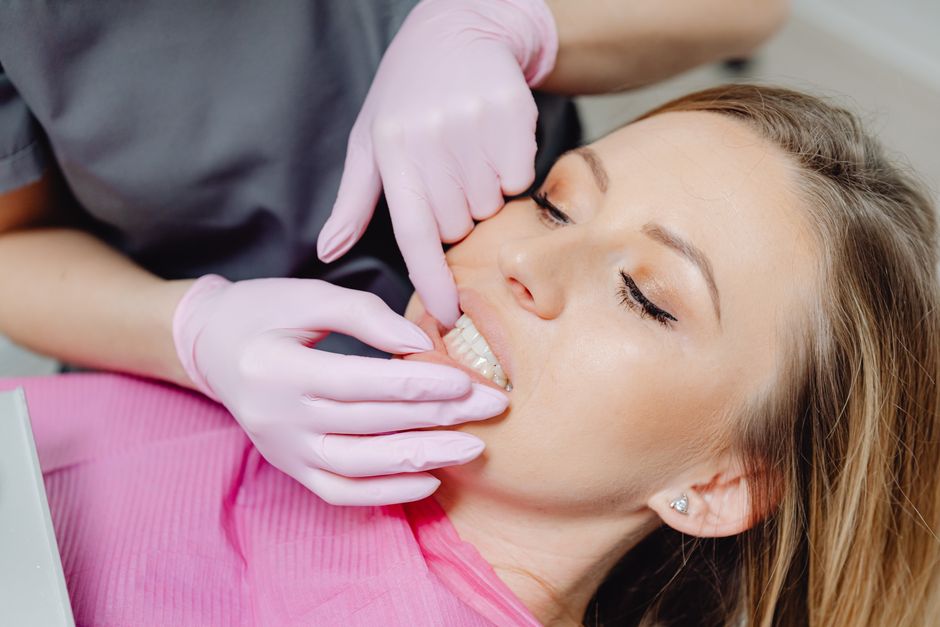
Receding gums happen when the gum tissue around your teeth wears away or pulls back, exposing more of the tooth or its root. This is not a cosmetic issue alone — it can lead to sensitivity, decay, and tooth loss. The honest answer is that you cannot regrow lost gum tissue on your own, but you can stop the progression and, in many cases, have a dentist surgically restore the gum line. Treatments that actually work include professional deep cleaning, gum graft surgery, and the Pinhole Surgical Technique, alongside strict control of the underlying cause — usually gum disease or overbrushing.
What Causes Gums to Recede in the First Place?
Understanding the cause matters more than any treatment. If you fix the symptom but not the cause, the recession will continue.
Periodontal disease is the most common cause. Bacterial plaque builds up below the gumline, triggering chronic inflammation. Over time, this inflammation destroys the connective tissue and bone that hold teeth in place. As the support structure shrinks, the gums follow.
Aggressive brushing is the second major cause. Brushing with a hard-bristled brush or using excessive force physically abrades the gum tissue. The damage is slow and often unnoticed for years. Many people assume that firm pressure means a better clean — it does not.
Other contributing factors include misaligned teeth, genetics, teeth grinding, lip piercings, and tobacco use. Some people simply have thin gum tissue inherited from their parents. These causes are not mutually exclusive; multiple factors often combine.
Can Receding Gums Grow Back Naturally?
No. Once gum tissue is lost, it does not regenerate on its own. This is a firm biological fact.
Gum tissue is made of specialized cells that do not have the same regenerative capacity as, say, skin or liver tissue. Home remedies, essential oils, and herbal rinses cannot rebuild lost tissue. They may reduce inflammation or improve oral hygiene, but they will not restore what is gone.
Be wary of any product claiming to regrow gums. No clinical evidence supports these claims. What these products can do — and sometimes do well — is reduce the bacterial load and inflammation that drive further recession.
How To Fix Receding Gums Treatments That Work
Effective treatment depends entirely on the severity of the recession and its cause. A dentist must evaluate your specific situation before any treatment begins.
For mild recession with no active disease, the goal is prevention. This means correcting brushing technique, using a soft-bristled brush, and addressing any grinding habit. Scaling and root planing — a deep cleaning procedure — removes plaque and tartar from below the gumline. This procedure allows the gums to reattach to the cleaned root surface. It stops the progression but does not cover exposed roots.
For moderate to severe recession, surgery is the only option that restores the gumline. The main surgical approaches are:
- Gum graft surgery: Tissue is taken from the roof of your mouth or a donor source and stitched over the exposed root. This is the traditional, well-studied approach.
- Pinhole Surgical Technique: A small hole is made in the gum, and special instruments gently loosen and slide the gum tissue down to cover the root. No grafting material is needed. Recovery is typically faster.
- Alloderm or other regenerative materials: These are used in place of tissue from the roof of your mouth. They eliminate the second surgical site.
Each approach has advantages and limitations. The choice depends on the number of teeth involved, the quality of the remaining gum tissue, and the dentist’s experience. There is no single best option for everyone.




What About Non-Surgical Options?
Non-surgical treatments cannot cover exposed roots. That is a firm limitation. But they have a legitimate role in managing the condition.
Desensitizing toothpaste can reduce the pain from exposed roots. These toothpastes contain compounds like potassium nitrate that block pain signals from the nerve inside the tooth. They treat the symptom, not the cause.
Fluoride varnishes applied in the dental office strengthen the exposed root surface. This reduces sensitivity and lowers the risk of root decay. Again, this does not restore gum height.
Dental bonding is a cosmetic approach where tooth-colored resin is applied to the exposed root. It covers the area, reduces sensitivity, and improves appearance. Bonding is not a surgical alternative — it is a cover-up that requires maintenance and replacement over time.
These options are appropriate when surgery is not possible or preferred. They are management strategies, not fixes.
What Is the Recovery Like After Gum Graft Surgery?
Recovery varies by individual and procedure. Most people return to work within a few days, but full healing takes several weeks.
Expect some swelling, discomfort, and minor bleeding for the first 24 to 48 hours. Your dentist will provide specific aftercare instructions. These typically include eating soft foods, avoiding the surgical site while brushing, and using a prescribed mouth rinse.
The grafted tissue initially appears pale or white. This is normal and indicates the blood supply is establishing. Complete healing of the graft takes about six to eight weeks. The gum may not reach its final appearance for several months.
Pain is usually manageable with over-the-counter medication. If the graft was taken from the roof of your mouth, that site often hurts more than the graft site itself. The palate heals within a few weeks.
Can You Prevent Gum Recession From Getting Worse?
Yes. Prevention is the most reliable part of managing this condition.
Brush with a soft-bristled brush using gentle, circular motions. Do not scrub horizontally. Hold the brush like a pen rather than a fist — this naturally reduces pressure. Electric toothbrushes with pressure sensors can help you learn the correct force.
Floss daily. This removes plaque from between teeth where a brush cannot reach. If flossing causes bleeding, that is a sign of inflammation, not a reason to stop. The bleeding typically resolves within a week of consistent flossing.
See your dentist regularly. Professional cleanings remove tartar that you cannot remove at home. Your dentist can also detect early recession before it becomes severe.
If you grind your teeth at night, ask about a custom night guard. Grinding places excessive force on the teeth and their supporting structures. A guard does not stop the grinding but does distribute the force more evenly.
When Should You See a Dentist?
See a dentist as soon as you notice any gum recession, even if it is mild and painless.
Early-stage recession is easier to manage. Once the roots are significantly exposed, the treatment options become more invasive and costly. Do not wait for pain or sensitivity to prompt a visit.
Seek immediate care if you notice sudden recession, severe pain, loose teeth, or pus along the gumline. These can indicate active infection or rapid bone loss that requires urgent treatment.
Frequently Asked Questions
Can toothpastes claiming to regrow gums actually work?
No clinical evidence confirms that any toothpaste can regrow lost gum tissue. These products may reduce inflammation or sensitivity, but they cannot rebuild tissue that is already gone.
How much does gum graft surgery cost?
Cost varies widely by location, the number of teeth treated, and the technique used, but it typically ranges from several hundred to a few thousand dollars per tooth. Dental insurance often covers a portion when the procedure is medically necessary.
Is the Pinhole Surgical Technique better than a traditional gum graft?
The Pinhole technique offers faster recovery and no second surgical site, but long-term outcome data is less extensive than for traditional grafting. Both are effective when performed by an experienced clinician.
Does oil pulling help receding gums?
Oil pulling may reduce bacteria and plaque, but no evidence shows it can regrow gum tissue. It is not a substitute for professional treatment.
