
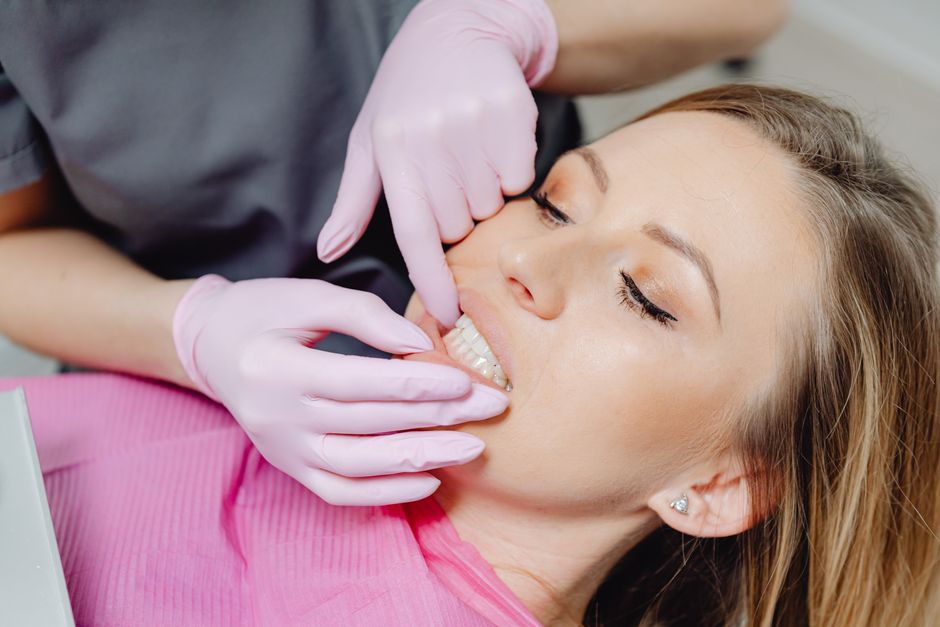
Receding gums happen when the gum tissue that covers the roots of your teeth pulls back and exposes more of the tooth. You cannot regrow gum tissue that has already been lost, so the goal is to stop the process early and protect what is left. The most effective steps are gentle brushing with a soft-bristled toothbrush, daily cleaning between the teeth, not smoking, and treating gum disease before it destroys the tissue that holds teeth in place.
What Causes Receding Gums?
Gum recession is usually the result of more than one factor working over years. The gum line does not retreat on its own for no reason.
The most common driver is gum disease, also called periodontal disease. Bacteria in plaque trigger inflammation of the gums. If plaque is not removed, it hardens into tartar, and the inflammation spreads into the tissue and bone that support the teeth. As that supporting structure breaks down, the gum line moves down with it.
Mechanical wear is the second major cause. Brushing too hard, using a hard-bristled brush, or brushing side to side with force can physically wear away gum tissue over time. This is why recession often appears on the side of the mouth people brush most aggressively.
Other contributing factors include:
- Grinding or clenching teeth, which puts heavy force on the gums and supporting bone
- Misaligned teeth or a bite that concentrates pressure on certain teeth
- Smoking and other tobacco use, which reduces blood flow to the gums
- Hormonal changes, including those during pregnancy and menopause
- Genetics, since some people are simply more prone to gum disease
- Certain medications that cause dry mouth or gum overgrowth
- Piercings in the lip or tongue that rub against the gum line
Age matters too, but not in the way most people assume. Recession becomes more common with age, but it is not an unavoidable part of getting older. It reflects years of accumulated wear and inflammation. Older adults who have kept their gums healthy tend to keep their gum line.
How Do You Know If Your Gums Are Receding?
The earliest sign is often a change you can see rather than feel. Teeth start to look longer. A tooth that once sat mostly covered by gum now shows more of its surface.
Common signs include:
- Teeth that appear longer than they used to
- Visible roots, which look darker or more yellow than the crown of the tooth
- A notch or groove where the gum meets the tooth
- Tooth sensitivity to cold, heat, or sweet foods
- Spaces opening between teeth that were once tight
- Bleeding when you brush or floss
- Loose teeth in advanced cases
Sensitivity is a useful clue. When gum tissue pulls back, it exposes the root surface. Roots are covered by a thin layer called cementum, which is much softer than the enamel on the crown of a tooth. With less protection, temperature and touch reach the nerve more easily.
One thing people often miss: recession can progress without pain. By the time sensitivity or visible roots show up, some tissue has already been lost. That is why regular dental exams matter. A dentist or hygienist can measure the gum line and compare it over time, catching changes before they become obvious in the mirror.
How To Avoid Receding Gums: Causes And Prevention
Prevention comes down to controlling the two things that drive most recession — inflammation and mechanical force. Neither requires exotic products. Both require consistency.
Brush gently and correctly
Use a soft-bristled toothbrush. Hold it at about a 45-degree angle toward the gum line and use small, circular motions rather than sawing back and forth. Let the bristles do the work. Pressure should feel light, not firm.
An electric toothbrush with a pressure sensor can help if you tend to brush hard without realizing it. Many people do.
Clean between your teeth every day
Brushing reaches only part of each tooth surface. Floss, interdental brushes, or water flossers clean the spaces where gum disease starts. Daily cleaning between teeth is one of the most reliable ways to reduce gum inflammation.
Interdental brushes — small brushes that fit between teeth — are often more effective than string floss for people with wider gaps or a history of gum problems. Ask your dentist which type fits your mouth.
Treat gum disease early
If your gums bleed, look puffy, or feel tender, get evaluated. Early gum disease, called gingivitis, is reversible with professional cleaning and good home care. Once it advances to periodontitis, the damage to supporting bone is not reversible, though treatment can slow or stop further loss.
Professional cleanings remove tartar that brushing cannot. How often you need them depends on your gum health, which is a conversation for your dentist.
Stop using tobacco
Smoking is one of the strongest risk factors for gum disease. It narrows blood vessels in the gums, which impairs healing and can mask the bleeding that would otherwise signal a problem. Quitting reduces risk, though former smokers may still carry some elevated risk for years.
Address grinding and clenching
If you grind your teeth, especially at night, a dentist can fit you with a night guard. This reduces the force your teeth and gums absorb. It does not reverse recession, but it can help prevent it from getting worse.
Watch your bite and alignment
Teeth that meet unevenly put extra stress on certain areas. Orthodontic treatment sometimes helps by distributing force more evenly. This is a case-by-case decision made with a dentist or orthodontist.





Can Receding Gums Grow Back?
Gum tissue does not grow back on its own once it has receded. This is one of the most common misunderstandings about gum health.
What can happen is that the recession stops progressing. If you remove the cause — whether that is gum disease, aggressive brushing, or grinding — the gum line can stabilize. It will not return to where it was.
In some cases, a dentist or periodontist can perform a gum graft. This is a surgical procedure that takes tissue from the roof of the mouth or from a donor source and attaches it to the exposed root. Grafts can cover exposed roots and reduce sensitivity, but they are not appropriate for everyone and results vary. Your dentist can tell you whether you are a candidate.
For mild recession without symptoms, some clinicians recommend monitoring rather than surgery. The evidence on when to intervene surgically is not clear-cut, and the decision usually depends on how much root is exposed, whether there is sensitivity, and how fast the recession is progressing.
Does Home Care Alone Prevent Receding Gums?
Home care is essential, but it is not always enough on its own. Gum disease has a strong bacterial component, and some people are genetically more susceptible to it. Even with excellent brushing and flossing, they may develop periodontitis.
This is why professional care matters. A dentist or hygienist can detect problems that are not visible or painful yet, and can treat them before they cause irreversible damage.
What home care can do is reduce your risk substantially and slow progression. What it cannot do is substitute for professional evaluation when something is already wrong.
When Should You See a Dentist?
See a dentist if you notice any of the following:
- Gums that bleed when you brush or floss
- Teeth that look longer than they used to
- New sensitivity to cold, heat, or sweets
- Loose teeth or teeth that feel different when you bite
- Persistent bad breath
- Gums that look red, swollen, or tender
Do not wait for pain. Gum disease is often painless in its early stages, and by the time it hurts, more damage has usually occurred. Regular checkups — typically every six months, though your dentist may recommend a different schedule based on your gum health — are the best way to catch problems early.
If you have already been told you have gum disease, follow the treatment plan your dentist recommends. Periodontal maintenance visits are usually more frequent than routine cleanings because the goal is to keep the disease from progressing.
Frequently Asked Questions
Can receding gums grow back naturally?
No. Gum tissue that has receded does not grow back on its own. Treatment focuses on stopping further loss and, in some cases, surgical grafting to cover exposed roots.
What is the fastest way to stop receding gums?
There is no quick fix, but the most effective steps are treating any gum disease, switching to a soft toothbrush with gentle technique, cleaning between teeth daily, and stopping tobacco use. These reduce the main causes of ongoing recession.
Does brushing too hard cause receding gums?
Yes. Brushing with too much force or with a hard-bristled brush can wear away gum tissue over time. Using a soft brush and light pressure with small circular motions reduces this risk.
Can a gum graft fix receding gums?
A gum graft can cover exposed roots and reduce sensitivity in some people, but it is not appropriate for everyone and results vary. A dentist or periodontist can assess whether you are a candidate.
