
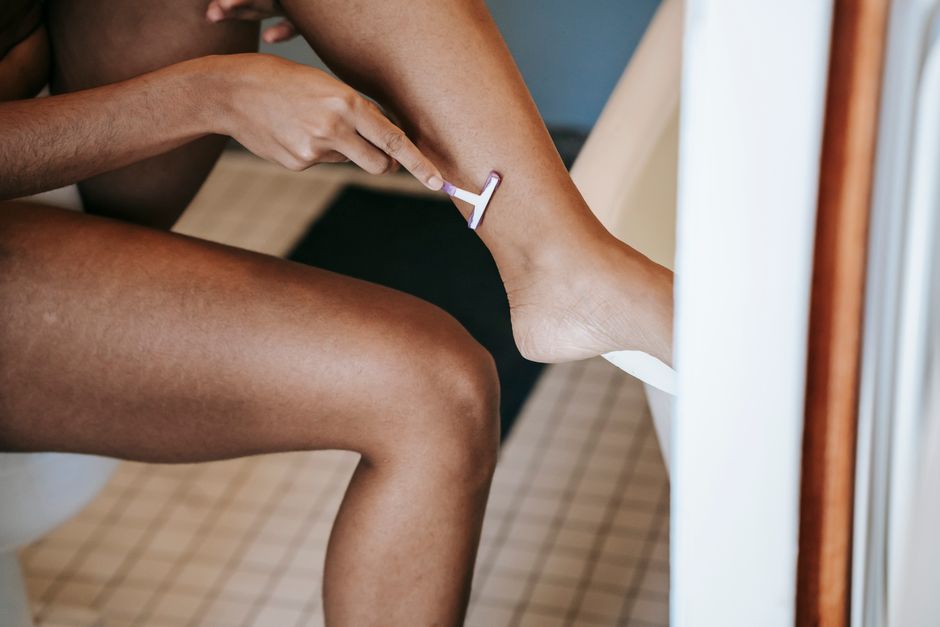
Razor bumps happen when shaved hairs curl back and grow into the skin, causing inflammation, redness, and sometimes infection. You can calm them quickly with a warm compress and a gentle exfoliating wash, then switch to a single-blade razor and a shaving routine that prevents the hair from ever tunneling under the skin again. The fastest fix is to stop shaving for a few days, but if you must shave, the steps below will reduce irritation and help you break the cycle for good.
What Causes Razor Bumps in the First Place?
Razor bumps, also called pseudofolliculitis barbae, are not the same as razor burn. Razor burn is surface irritation from the blade scraping the skin. Razor bumps are ingrown hairs. The hair is cut at a sharp angle, and as it grows back, the pointed tip pierces the skin instead of coming out through the follicle opening. The body treats the hair like a foreign object, which triggers inflammation.
People with naturally curly or coarse hair get them more often. The curvature of the hair follicle makes it easier for the hair to re-enter the skin. Shaving against the grain, stretching the skin tight, and using a dull blade all make the problem worse because they create a sharper, more angled hair tip.
How To Fix Razor Bumps Fast
If you already have bumps, the goal is to reduce inflammation and help the trapped hair reach the surface. Start with a warm compress. Soak a clean washcloth in warm water and hold it on the area for 5 to 10 minutes. The heat softens the skin and the hair, which often allows the ingrown hair to release on its own.
Next, gently exfoliate the area with a soft washcloth or a mild facial scrub. Move in small circular motions. Do not scrub hard. The point is to remove the thin layer of dead skin covering the trapped hair, not to irritate the skin further. If you can see the hair loop just beneath the surface, you can carefully lift it with a sterilized needle or tweezers. Do not pluck the hair out. Leave it in place so it can continue growing normally.
Apply a product containing salicylic acid or glycolic acid to the affected area. These chemical exfoliants help clear the follicle opening and reduce redness. Use a moisturizer afterward because irritated skin heals better when it is hydrated.
Over-the-counter hydrocortisone cream can reduce itching and swelling for a day or two, but it is not a long-term solution. If the bumps are painful, filled with pus, or spreading, they may be infected. In that case, see a doctor. Antibacterial ointments are not effective against razor bumps because the problem is not primarily bacterial.
Is There a Fastest Way to Clear Existing Bumps?
The fastest reliable method is to stop shaving for 3 to 5 days. This gives the hairs enough length to grow past the skin surface naturally. Most mild razor bumps will resolve within that window if you leave the area alone and keep it clean.
If stopping shaving is not possible, use an electric razor with a foil head instead of a blade. Electric razors cut the hair slightly above the skin surface, which reduces the chance of creating a sharp tip that re-enters the skin. The shave will not be as close, but the trade-off is fewer bumps.
There is no product that makes razor bumps disappear overnight. Claims of instant results are marketing, not medicine. The skin needs time to clear the trapped hair and reduce inflammation. What you can do fast is prevent new bumps from forming while the existing ones heal.





How To Shave Without Getting Razor Bumps
Prevention starts with how you prepare the skin. Shave after a warm shower or hold a warm wet towel on the area for several minutes. This softens the hair and opens the follicle. Use a shaving cream or gel that provides a thick, slick layer. Do not shave dry and do not use bar soap, which does not provide enough lubrication.
Shave in the direction of hair growth, not against it. This is the single most important change you can make. Shaving with the grain produces a slightly less close shave, but the hair is cut at a less severe angle, so it is much less likely to curl back into the skin.
Do not pull the skin taut while shaving. When you stretch the skin, the hair retracts below the surface, and when the skin snaps back, the cut hair is already under the skin line. Let the skin stay relaxed and let the razor glide over it.
Use a sharp, single-blade razor. Multi-blade razors pull the hair up slightly before cutting it, which allows the hair to retract below the skin surface. A single-blade razor cuts the hair at the skin level without that pulling effect. Replace the blade frequently. A dull blade drags and causes irritation.
Rinse the razor after every stroke and do not press down. Let the weight of the razor do the work. After shaving, rinse with cool water and pat the skin dry. Apply an alcohol-free aftershave balm or a moisturizer. Products with alcohol dry the skin and can worsen irritation.
What To Do If Razor Bumps Keep Coming Back
If you consistently get razor bumps no matter how carefully you shave, consider changing your hair removal method entirely. Some people simply cannot shave with a blade without getting bumps, especially if they have tight curly hair.
Electric clippers with a guard are the most reliable option for people prone to razor bumps. Leaving a small amount of stubble, about 1 millimeter or more, means the hair never gets short enough to curl back into the skin. Many dermatologists recommend this as the first-line approach for chronic razor bumps.
Chemical depilatories dissolve the hair just below the skin surface using ingredients like calcium thioglycolate. They can be effective, but they also carry a risk of chemical burns, especially on sensitive skin. Test on a small area first and follow the timing instructions exactly. Do not use them immediately after shaving or on broken skin.
Laser hair removal is the most effective long-term solution. Laser treatment damages the hair follicle so the hair grows back thinner or not at all. It requires multiple sessions and is not inexpensive, but studies consistently show it significantly reduces razor bumps in people who have not responded to other methods. Electrolysis is another permanent option that works on individual follicles.
Topical prescription treatments are also available. A dermatologist may prescribe a retinoid cream, which normalizes the way skin cells shed and keeps follicle openings clear, or an antibiotic gel such as clindamycin, which reduces bacterial inflammation in the affected follicles. These require a prescription and should be discussed with a doctor.
Common Myths About Razor Bumps
Myth: Rubbing alcohol prevents razor bumps. It does not. Alcohol kills bacteria on the surface, but razor bumps are caused by hair growing into the skin, not by surface bacteria. Alcohol dries the skin, which can make the problem worse by increasing irritation and making it harder for the hair to break through.
Myth: Plucking ingrown hairs fixes the problem. Plucking removes the hair entirely, but the follicle remains. The next hair that grows may also become ingrown. Plucking also increases the risk of infection and scarring. If you must remove an ingrown hair, lift it with a sterile needle and leave it in place.
Myth: Shaving more often prevents razor bumps. Shaving more frequently gives hairs less time to grow, which sounds logical, but each shave creates new sharp hair tips. Shaving every day with a blade is one of the fastest ways to keep the cycle going. Letting the hair grow for several days is more effective.
Myth: Exfoliating every day prevents razor bumps. Daily exfoliation strips the skin of natural oils and damages the barrier. Exfoliate two or three times a week at most. Gentle, consistent exfoliation helps. Aggressive daily scrubbing makes the skin more reactive.
When To See a Doctor
Most razor bumps resolve on their own or with the steps above. See a doctor if the bumps are severely painful, if they are filled with pus, if the redness spreads beyond the shaved area, or if you develop fever or swollen lymph nodes. These can be signs of a bacterial infection called folliculitis that may require prescription treatment.
People with diabetes or weakened immune systems should take razor bumps more seriously. What looks like a minor ingrown hair can develop into a more serious infection in these populations. If you have a medical condition that affects healing, seek medical advice early rather than waiting.
If razor bumps have left dark marks on your skin, a condition called post-inflammatory hyperpigmentation, these usually fade over several months. Products with hydroquinone, azelaic acid, or vitamin C can speed up the fading, but they do not treat the underlying ingrown hair problem. Treating the cause is the only way to stop new marks from forming.
Frequently Asked Questions
How long do razor bumps take to heal?
Mild razor bumps usually heal within 3 to 5 days if you stop shaving the area. Deeper bumps or infected bumps can take up to 2 weeks.
Does toothpaste get rid of razor bumps?
No, toothpaste does not treat razor bumps and can irritate the skin further. Use a warm compress and a salicylic acid product instead.
Can I pop a razor bump like a pimple?
Do not pop it. Popping increases the risk of infection and scarring. The bump is inflamed tissue around a trapped hair, not a typical pimple.
Is it better to shave with or against the grain?
Shave with the grain to prevent razor bumps. Shaving against the grain gives a closer shave but creates the sharp hair tips that cause ingrown hairs.
