
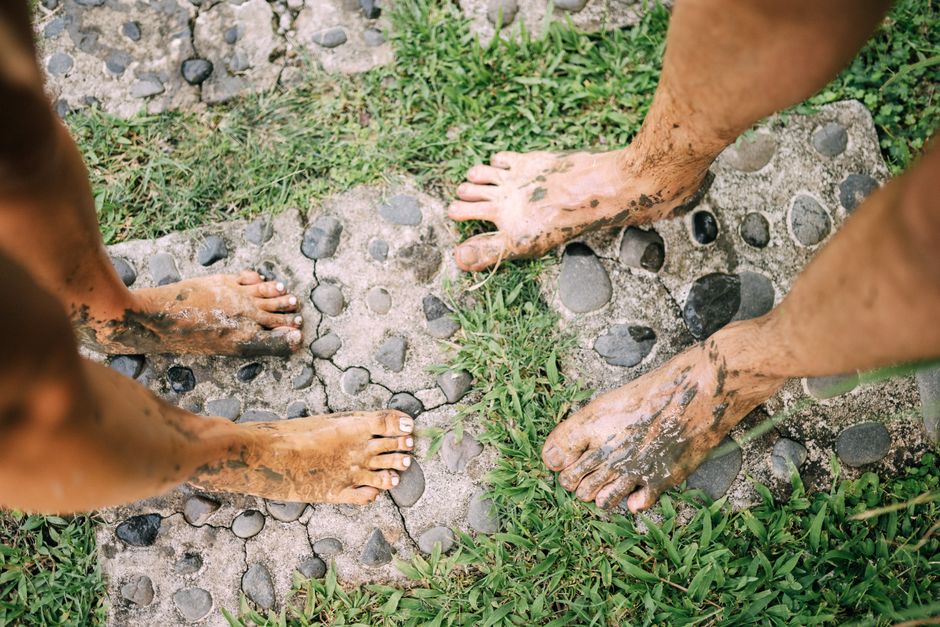
Peeling skin on the feet is usually the result of skin that has become too dry, too wet, or irritated by friction or fungus. The fix starts with identifying which of those is happening, then removing the cause while helping the skin barrier repair itself. For most people that means washing and drying the feet carefully, applying a fragrance-free moisturizer while the skin is still damp, and protecting the feet from friction with proper socks and shoes.
How To Fix Peeling Skin On Feet
Start by looking at where the peeling is and what it looks like. That detail narrows the cause more than anything else.
Peeling between the toes, especially with itching or a sour smell, points toward a fungal issue. Peeling on the soles and heels that looks dry and cracked points toward dryness or friction. Peeling that follows a new soap, laundry detergent, or shoe material may be irritation or allergy.
Once you have a rough idea, these steps cover the common causes:
- Wash the feet daily with lukewarm water and a mild, fragrance-free cleanser. Hot water strips oils from skin.
- Dry completely, including between every toe. Trapped moisture weakens the outer skin layer and feeds fungus.
- Apply a fragrance-free moisturizer within a few minutes of drying, while skin is still slightly damp. This traps water in the skin rather than just sitting on top of it.
- Choose moisturizers with urea, lactic acid, or ceramides for thickened, flaky skin. Plain petrolatum works well for very dry, cracked heels.
- Wear socks made of cotton or moisture-wicking material. Change them if they get damp.
- Avoid picking or pulling at loose skin. Tearing it off removes the protective layer underneath and can open the skin to infection.
If peeling does not improve after a few weeks of consistent care, or if it spreads, itches badly, or comes with redness and swelling, see a clinician. Peeling skin can also be a sign of a skin condition or, less often, an underlying medical issue that needs proper diagnosis.
What Causes Peeling Skin On The Feet?
Most cases come down to a handful of causes, and they often overlap.
Dry skin is the most common. The skin on the feet has fewer oil glands than the face or scalp, and the soles take constant pressure and friction. When the outer layer loses water, it cracks and flakes.
Friction and pressure from shoes that rub or fit poorly can cause the skin to thicken and then shed. This is why calluses and peeling often appear together on the heels and the sides of the feet.
Fungal infection, commonly called athlete’s foot, is another frequent cause. It thrives in warm, damp environments like sweaty shoes and locker room floors. The peeling usually starts between the toes and can spread to the sole.
Eczema and psoriasis can both affect the feet. Eczema tends to be itchy and inflamed. Psoriasis produces thicker, scaly patches that can peel.
Less common causes include allergic reactions to footwear materials or dyes, and certain medical conditions that affect the skin or circulation. A clinician can distinguish these when the pattern is unclear.
Is Peeling Skin On Feet A Sign Of A Fungal Infection?
Sometimes, but not always. The location and accompanying symptoms are the best clues.
Fungal peeling typically appears between the toes first, then may move to the soles. It often comes with itching, a burning feeling, or a noticeable odor. The skin may look white and soggy in the creases between toes.
Dryness-related peeling tends to appear on the heel and the outer edges of the sole, without itching. It looks flaky or cracked rather than soggy.
If you are not sure, a clinician can take a small skin sample and check it under a microscope or send it for testing. This is the only way to confirm a fungal cause. Over-the-counter antifungal creams are widely used, and some clinicians recommend trying one for a defined period before seeking further evaluation. But if the peeling does not respond, the cause may not be fungal.




What Moisturizers Actually Help Peeling Feet?
The ingredients matter more than the brand. Look for products that both add water and hold it in.
Urea is a well-studied ingredient for dry, thickened skin. It softens the outer layer and helps it shed normally. Concentrations vary, and higher percentages are more exfoliating while lower ones are more moisturizing.
Lactic acid and other alpha-hydroxy acids work in a similar way, gently loosening dead skin cells. They can sting on cracked or broken skin.
Ceramides are fats that occur naturally in the skin barrier. Products containing them help replace what is missing in dry skin.
Petrolatum is one of the most effective ingredients for trapping moisture. It is not absorbed into the skin; it forms a seal over it. That makes it useful for cracked heels, though some people find it greasy.
Avoid products with added fragrance or alcohol if the skin is irritated or cracked. Both can make peeling worse. And be cautious with harsh physical scrubs or foot files on already-peeling skin, since they can damage the barrier further.
How Long Does It Take For Peeling Skin To Heal?
For simple dryness or friction, consistent care often shows improvement within a week or two. Full repair of a damaged skin barrier can take longer, since the outer skin layer renews itself on its own schedule.
Fungal infections generally need treatment for weeks, not days, and often continue for a period after symptoms improve to prevent recurrence. If you stop too early, the infection can return.
If peeling is not improving after a few weeks of good care, or if it is getting worse, that is a signal to get it looked at. Persistent peeling that does not respond to treatment deserves a proper diagnosis rather than more guessing.
When Should You See A Doctor About Peeling Feet?
Most peeling is not serious and responds to basic care. Some situations call for medical attention.
See a clinician if you have:
- Peeling that spreads or gets worse despite treatment
- Signs of infection, such as redness, swelling, warmth, pus, or increasing pain
- Severe itching or burning that disrupts sleep
- Peeling along with a rash elsewhere on the body
- Diabetes, poor circulation, or a weakened immune system, since foot problems can become serious faster in these groups
People with diabetes should pay particular attention to foot skin changes and check their feet regularly. Reduced sensation and slower healing mean small problems can progress. This is a well-established reason for routine foot checks in diabetes care.
How Can You Prevent Peeling Skin On Feet?
Prevention comes down to keeping the skin barrier intact and the feet in a healthy environment.
Moisturize daily, especially after bathing and before bed. Keep the feet dry during the day, and change socks if they become damp. Rotate shoes so each pair has time to dry out between wears.
Choose footwear that fits well and does not rub. Wear moisture-wicking socks during exercise or in warm weather. In shared spaces like pools and locker rooms, wearing sandals reduces exposure to fungi.
If you are prone to fungal infections, some clinicians recommend antifungal powder in shoes, though the evidence for prevention specifically is not as strong as the evidence for treatment. Keeping feet dry remains the most reliable step.
Avoid very hot water and harsh soaps, which strip the skin’s natural oils. And resist the urge to peel or pick at loose skin. Letting it shed on its own, with help from moisturizer, protects the layer underneath.
Frequently Asked Questions
Does peeling skin on feet mean I have athlete’s foot?
Not necessarily. Peeling between the toes with itching or odor points toward a fungal cause, but dryness and friction cause most peeling on the heels and soles. Only testing can confirm a fungal infection.
Can I just peel the dead skin off my feet?
It is better not to pull at it. Tearing off loose skin can remove the protective layer underneath and open the skin to irritation or infection.
What is the fastest way to stop feet from peeling?
There is no single fast fix, since the cause matters. For dryness, applying a fragrance-free moisturizer to damp skin daily often helps within a week or two, while fungal causes need weeks of treatment.
Should I see a doctor if my feet keep peeling?
Yes, if peeling persists after a few weeks of care, spreads, or comes with redness, swelling, or pain. A clinician can identify the cause and rule out conditions that need specific treatment.
